






























College Sports in Chaos: The Fallout of the House Settlement
The world of college sports has been turned upside down, and the recent $2.8 billion antitrust settlement has done little to calm the storm. The settlement, approved by a federal judge last offseason, aimed to rein in the wild west of college sports’ transfer portal and name, image, and likeness (NIL) dealings. However, the opening of the college football transfer portal on January 2 revealed that the settlement’s intended effects have not materialized.
A New Era of Spending
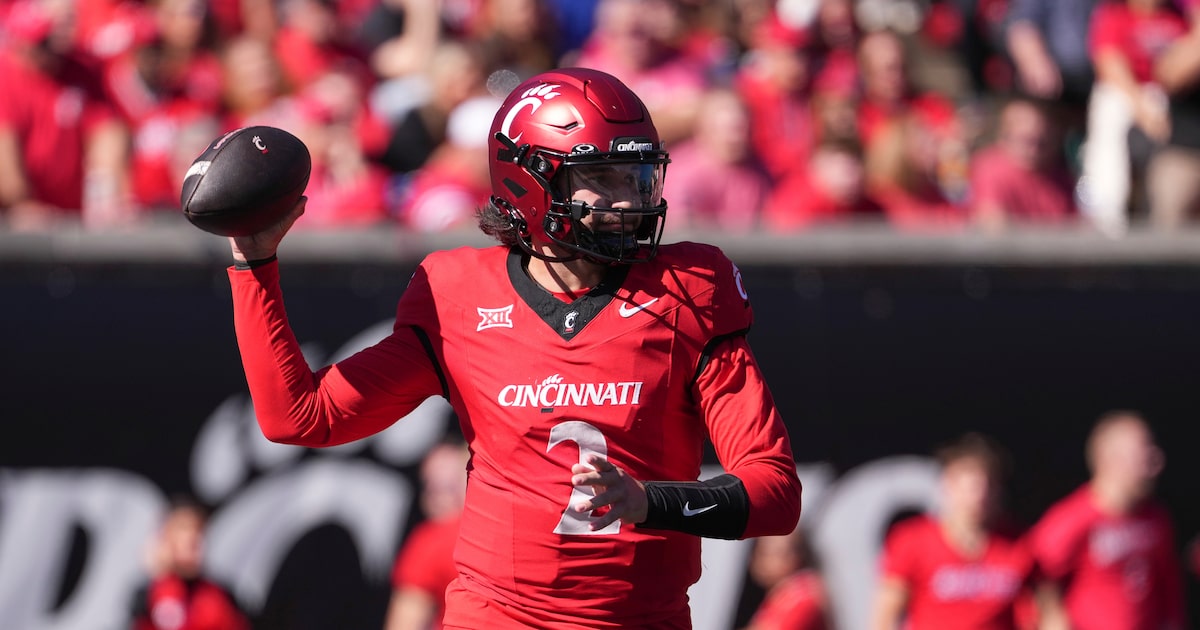
Schools like Texas Tech have made headlines with their lavish spending, bringing in top talent like Cincinnati quarterback Brendan Sorsby with a reported $5 million contract for the 2026 season. This deal, combined with other lucrative offers, has raised questions about how schools are managing to circumvent the $20.5 million revenue-sharing cap. The answer lies in the creative use of third-party deals, collectives, and multi-media rights (MMR) partners.
Understanding the House Settlement
The House settlement marked a significant shift in the way college sports operate, allowing schools to share revenue directly with athletes up to a certain cap. The settlement also introduced new rules for third-party NIL and collective-based deals, requiring any deal worth over $600 to be vetted by a third-party clearinghouse called NIL Go. However, this has not stopped schools from finding ways to exceed the cap through external deals.
Third-Party Deals: The Loophole
Many colleges are continuing to use their collectives or MMR partners, marketing agencies, corporate sponsors, or apparel brands to offer athletes multi-million dollar deals. These deals are not illegal under the rules of the House settlement, but they do need to be approved by the College Sports Commission (CSC). The CSC evaluates deals based on three factors: associated status, valid business purpose, and fair market value.
The College Sports Commission’s Role
The CSC has approved 97% of the nearly 18,000 deals submitted, amounting to approximately $127.21 million. However, attorney Mit Winter believes that MMR deals will be more heavily scrutinized due to the ties between universities and their partners. The CSC has issued a reminder to athletic directors about the rules related to third-party NIL and MMR deals, warning of potential consequences for non-compliance.
Consequences of Non-Compliance
If a deal is not cleared, a student-athlete has three options: revise the deal, cancel it and refund any money received, or go to arbitration with the CSC. Athletes who continue with a deal not cleared could face consequences, including loss of eligibility. Winter expects arbitration to become a more popular option, and athletes may even bring lawsuits against the CSC.
Bringing Order to College Sports
The lack of legal protection from lawsuits related to NIL is a primary concern for the NCAA, the CSC, and college athletic departments. The SCORE Act, which would provide broad antitrust immunity, is still pending in Congress. Until then, the chaos in college sports is likely to continue. As North Texas coach Neal Brown said, “It’s just chaos… We’ve got to come up with real solutions.” The CSC’s approval of most deals is, in part, due to fear of being sued if they deny them. An antitrust law would give the CSC more authority and protection when denying outlandish deals, bringing much-needed order to the transfer portal and NIL.
A Call for Change
The college sports landscape is at a crossroads. The House settlement was intended to bring stability, but it has only created more uncertainty. The CSC’s efforts to regulate third-party deals are admirable, but the lack of legal protection and the creativity of schools in finding loopholes have rendered the settlement ineffective. It is time for a comprehensive solution, one that addresses the root causes of the chaos and provides a clear path forward for college sports. Until then, the wild west of college sports will continue to thrive, with athletes, schools, and the NCAA navigating a complex and ever-changing landscape.