

































The Role of Self-Funding in Politics: Does It Give Candidates a Leg Up or Alienates Supporters?
As the Massachusetts gubernatorial election approaches, the topic of self-funding has become a significant point of discussion. With several Republican candidates investing millions of their own dollars into their campaigns, it raises questions about the impact of self-funding on the electoral process. In this article, we will delve into the world of campaign finance, exploring the reasons behind self-funding, its potential benefits and drawbacks, and what it means for the future of politics.
Understanding Self-Funding in Politics
Self-funding refers to the practice of candidates contributing their own money to their campaigns. In Massachusetts, there is no limit on how much a candidate can contribute to their own campaign, according to the Office of Campaign and Political Finance. This means that candidates with significant personal wealth can potentially outspend their opponents, giving them a considerable advantage in the election.
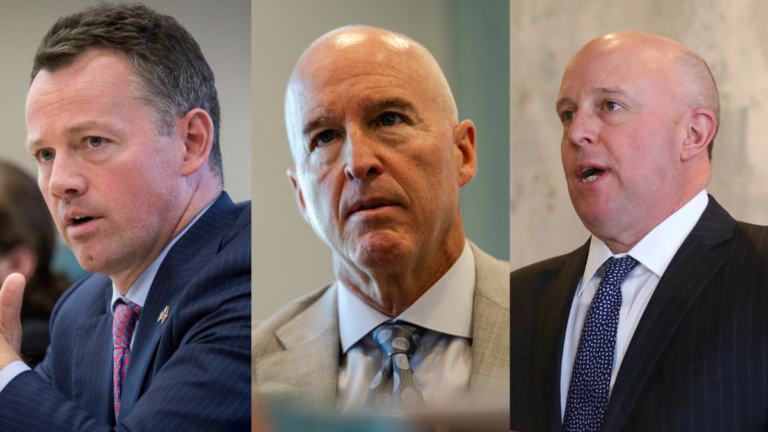
The current crop of Republican gubernatorial candidates is a prime example of this trend. Former biotech executive Michael Minogue has invested $5.5 million in his campaign, while former state economic development secretary Mike Kennealy has contributed $1.8 million. Former MBTA executive Brian Shortsleeve has also added $200,000 to his campaign coffers. These significant investments have raised eyebrows, with some wondering if self-funding gives these candidates an unfair advantage.
The Reasons Behind Self-Funding
So, why do candidates feel compelled to self-fund their campaigns? According to experts, there are several reasons. One major factor is the relatively low $1,000 limit on individual donations to candidates in Massachusetts. This means that candidates must secure a large number of donations to compete with their opponents, which can be a daunting task, especially for those without prior experience in elected office.
The Republican Party’s long-standing fundraising struggles also play a role. With a limited pool of donors, candidates may feel forced to dip into their own pockets to stay competitive. Additionally, a crowded gubernatorial primary can make it challenging for candidates to stand out, leading them to rely on their own financial resources to gain visibility.
The Benefits and Drawbacks of Self-Funding
Self-funding can be a double-edged sword. On the one hand, it allows candidates to get their message out to a wider audience, which can be particularly important for those without prior experience in elected office. As Amy Carnevale, the state GOP chair, noted, “When you are looking at a candidate who doesn’t have that level of instant name recognition … it really forces them to think about putting in their own financial resources into their campaign.”
On the other hand, self-funding can also alienate supporters and potential constituents. Voters may view self-funded candidates as out of touch with the average person or beholden to their own interests rather than those of the community. Furthermore, excessive self-funding can create a perception of buying an election, rather than earning it through grassroots support.
Stricter Limits on Self-Funding: A Solution or a Problem?
The question of whether there should be stricter limits on self-funding is a complex one. While some argue that limits would help level the playing field and prevent wealthy candidates from dominating the electoral process, others contend that such limits would infringe upon a candidate’s right to free speech and association.
Ultimately, the decision to self-fund a campaign is a personal one, and candidates must weigh the potential benefits against the potential drawbacks. As voters, it is essential to consider the role of self-funding in the electoral process and to evaluate candidates based on their policies, experience, and character, rather than solely on their ability to self-fund their campaigns.
Conclusion
The debate surrounding self-funding in politics is unlikely to subside anytime soon. As the Massachusetts gubernatorial election approaches, it is crucial to consider the implications of self-funding and its potential impact on the democratic process. By understanding the reasons behind self-funding, its benefits and drawbacks, and the potential solutions, we can work towards creating a more equitable and representative electoral system. Whether you agree or disagree with the practice of self-funding, one thing is clear: it is an issue that deserves careful consideration and thoughtful discussion.