
































Verizon Outage: A Nationwide Disruption
The recent Verizon outage, which began on January 14, 2026, has left countless customers across the United States without phone, text, and data services. The disruption, which lasted for over 10 hours, affected not only individual users but also had significant implications for various industries, including emergency services and live events.
Initial Reports and Response
The first reports of the outage began flooding in around 12:30 PM ET, with many users taking to social media to express their frustration and concern. Verizon’s official social media channels, including @Verizon, @VerizonSupport, and @VerizonNews, were initially silent on the matter, leaving customers without any official updates or explanations. However, as the outage continued, the company eventually confirmed the issue and stated that its engineering team was working to resolve it.
Impact on Customers and Services
The outage had far-reaching consequences, affecting not only Verizon customers but also those who rely on the network for emergency services. In New York City, the official emergency notification system warned that the outage may impact the ability to dial 911, advising users to call from a landline or another device or visit a precinct in case of an emergency. Additionally, live events, such as sporting games, were also affected, with attendees advised to save their tickets to Apple Wallet or Google Wallet before arriving at the venue.
Other Carriers and Services
As the outage continued, other carriers, including T-Mobile and AT&T, reported normal operation, with some even taking to social media to promote their services and offer switching deals. However, it’s essential to note that these carriers may have experienced some issues due to the increased traffic from Verizon customers attempting to reach their networks.
Temporary Solutions and Workarounds
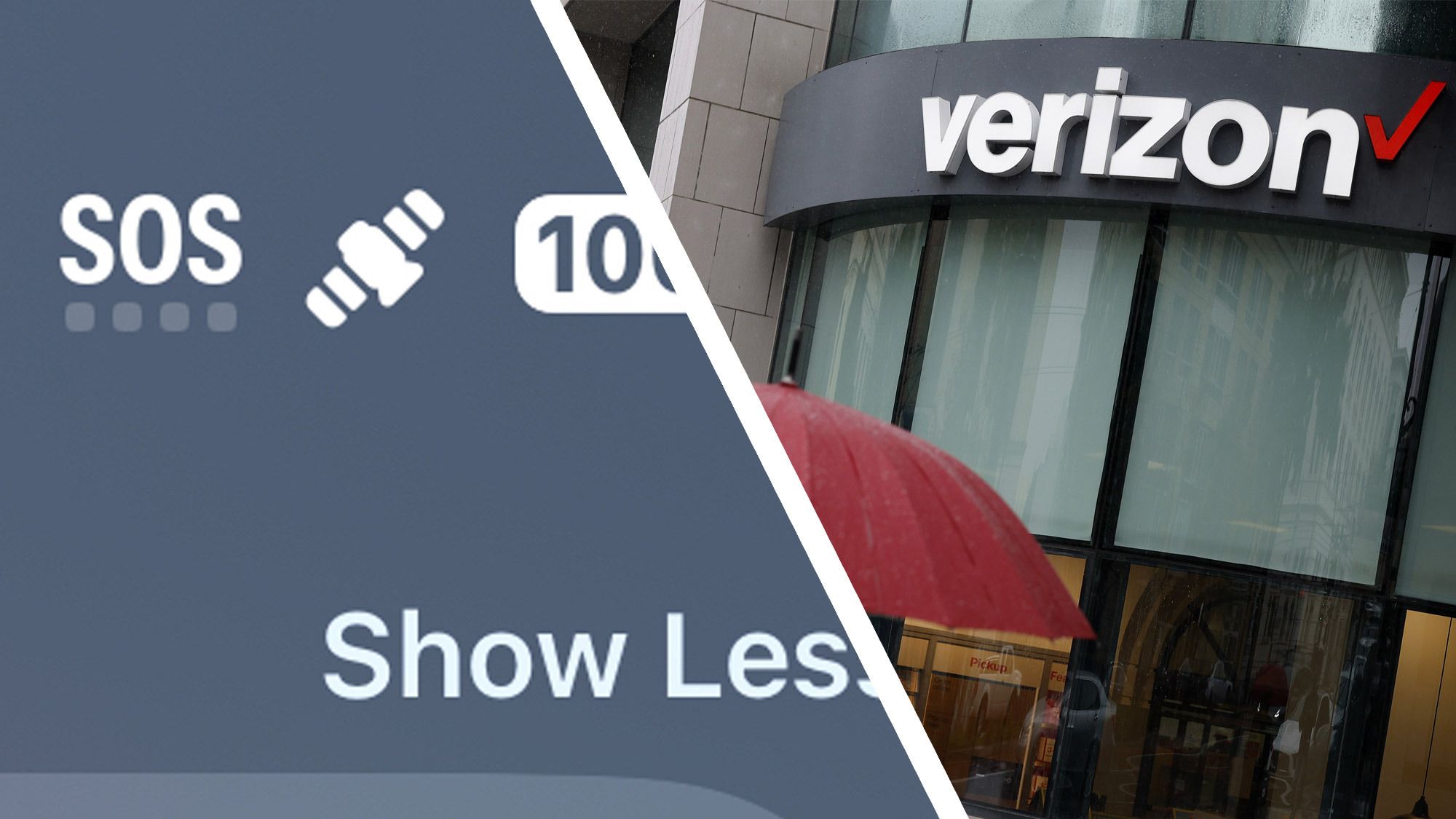
In the absence of a formal fix, some users turned to alternative solutions, such as “Messages via Satellite” on iPhone, which allows users to send messages via satellite when cellular connectivity is unavailable. While this feature was initially designed for emergency situations, it proved to be a useful workaround for some users during the outage.
Resolution and Aftermath
After several hours, Verizon finally announced that the outage had been resolved, but not before acknowledging the significant disruption it had caused. The company apologized for the inconvenience and promised to provide account credits to affected customers. As the network returned to normal, users were advised to restart their devices to ensure full functionality.
Lessons Learned and Future Implications
The Verizon outage serves as a reminder of the importance of reliable connectivity in today’s digital age. As we become increasingly dependent on our devices and networks, outages like this one can have significant consequences. It’s essential for carriers to prioritize communication and transparency during such events, providing regular updates and explanations to affected customers. Additionally, the outage highlights the need for backup plans and alternative solutions, such as satellite messaging, to ensure that critical communications can continue uninterrupted.
Expert Insights and Analysis
According to Carolina Milanesi, President and Principal Analyst at Creative Strategies, Inc., “Sadly, we are getting accustomed to outages, whether they are network Verizon today, ATT in 2024, AWS at the end of 2025, and I fear this is the new reality as cyber attacks increase and reliance on major cloud and AI providers increases.” This sentiment is echoed by many experts, who emphasize the need for improved communication and infrastructure to mitigate the impact of such outages.
In conclusion, the Verizon outage was a significant disruption that affected millions of customers across the United States. While the company has since resolved the issue, it’s essential to learn from this experience and prioritize reliability, communication, and transparency to ensure that such outages are minimized in the future.