































India’s AI Revolution: A New Era of Innovation and Growth
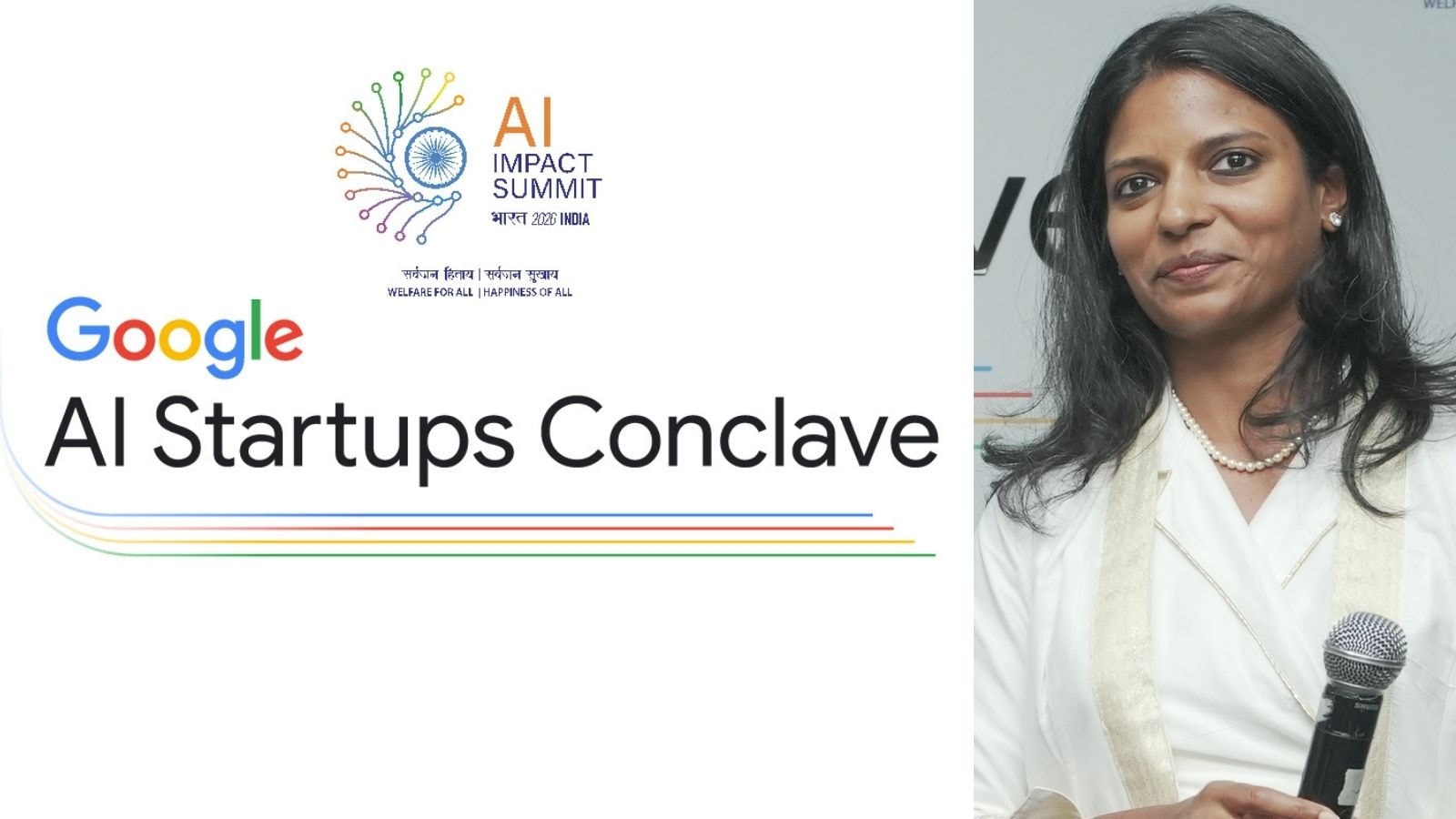
The Indian startup ecosystem is abuzz with excitement as the country is poised to become a hub for artificial intelligence (AI) innovation. With over 120 to 150 tech startup unicorns already in the country, India is expected to see a significant surge in AI-powered startups in the next three to five years. According to Seema Rao, Managing Director, Top Partners India & Corporate Development at Google, “Easily, in the next three to five years, over half of new unicorns will be AI unicorns coming out of India. That’s the opportunity we see.”
A New Wave of Innovation
The AI wave is fundamentally different from previous tech cycles, such as the SaaS era. With generative AI technologies, startups can now leapfrog the product build phase, getting to quick prototyping, testing, and iteration with products in the market much faster. The last mile of access – getting to the right customers and converting pilots into commercial deployments – remains a challenge, but one that Google is hoping to support with its ecosystem. As Rao notes, “With generative AI, coding is no longer a barrier, ideation is no longer a barrier. The whole product development phase has been compressed.”
Breaking Down Barriers
One of the significant advantages of generative AI is its ability to solve problems that were previously challenging and required significant resources. For instance, India’s linguistic diversity has long been a hurdle for businesses looking to expand across the country. However, with generative AI, startups can now build products that can cater to multiple languages, making it easier to reach a broader audience. As Rao explains, “The minute generative AI technologies came, the first wave of startups we saw were solving for this with lip sync technologies, using one marketing campaign and instantly converting it into 20 local language campaigns with perfect sync and dialects.”
Trust and Access: The Biggest Challenges
While Indian AI startups have made significant progress, there are still challenges to be addressed. According to Rao, the single hardest barrier for Indian AI startups moving from proof-of-concept to real market adoption is trust. Building trust by design from day zero is crucial, and startups need to ensure that their models and applications work in a way that prioritizes data governance, data sovereignty, security, and privacy. The other significant challenge is access – getting to global markets, securing a seat at the table with global enterprises, and reaching tens of millions of dollars in revenue quickly.
A Supportive Regulatory Environment
The Indian government has been supportive of the startup ecosystem, with initiatives like the India AI Mission and Startup India providing a conducive environment for growth. As Rao notes, “We’re seeing a very supportive regulatory environment for startups. The policy is very supportive. From various government interactions at the highest levels, everybody wants to see India’s AI ecosystem flourish, thrive, and reach global scale.” The government’s efforts to create a robust ecosystem between policy, industry, corporates, academia, and startup founders have been instrumental in driving growth.
Regulatory Clarity vs. Flexibility
When it comes to regulatory clarity versus regulatory flexibility, Rao believes that a supportive regulatory environment is essential for startup growth. While clarity is important, flexibility is also crucial in allowing startups to innovate and experiment. As she explains, “What we’re seeing is very enabling and supportive of the startup ecosystem. We’re working with India AI Mission and Startup India in all these programs to complement what the government brings to the table.”
The Future of AI in India
The upcoming Global AI Impact Summit is an opportunity for India to showcase its AI capabilities and innovation to the world. As Rao notes, “It’s a great opportunity for India to be hosting the AI Impact Summit. The journey with AI has moved from the “wow” moment to “how”. How does it actually translate? That’s why it’s about impact, outcomes, and deliverables.” With the Indian startup ecosystem poised for significant growth, the future of AI in India looks promising. As Rao concludes, “I’m super optimistic. Having been in the startup ecosystem for over 10 years and seen it from very close quarters, every time someone has tried to write off a certain segment or hype cycle, we’ve always come back and bounced with more vigour and impact.”