































Escalating US Trade Tensions Pose Significant Challenges for India’s Export Sector
The Indian export industry is bracing for a perfect storm of challenges, with the latest report from CRISIL sounding the alarm on the precarious state of US-India trade relations. The ongoing stalemate in negotiations, coupled with the looming threat of American tariffs on Russian crude oil imports, has created a sense of unease among exporters. As the global trade landscape continues to evolve, India’s merchandise exports are likely to face intensified headwinds, which could have far-reaching implications for the country’s economy.
Immediate Concerns for Key Export Products
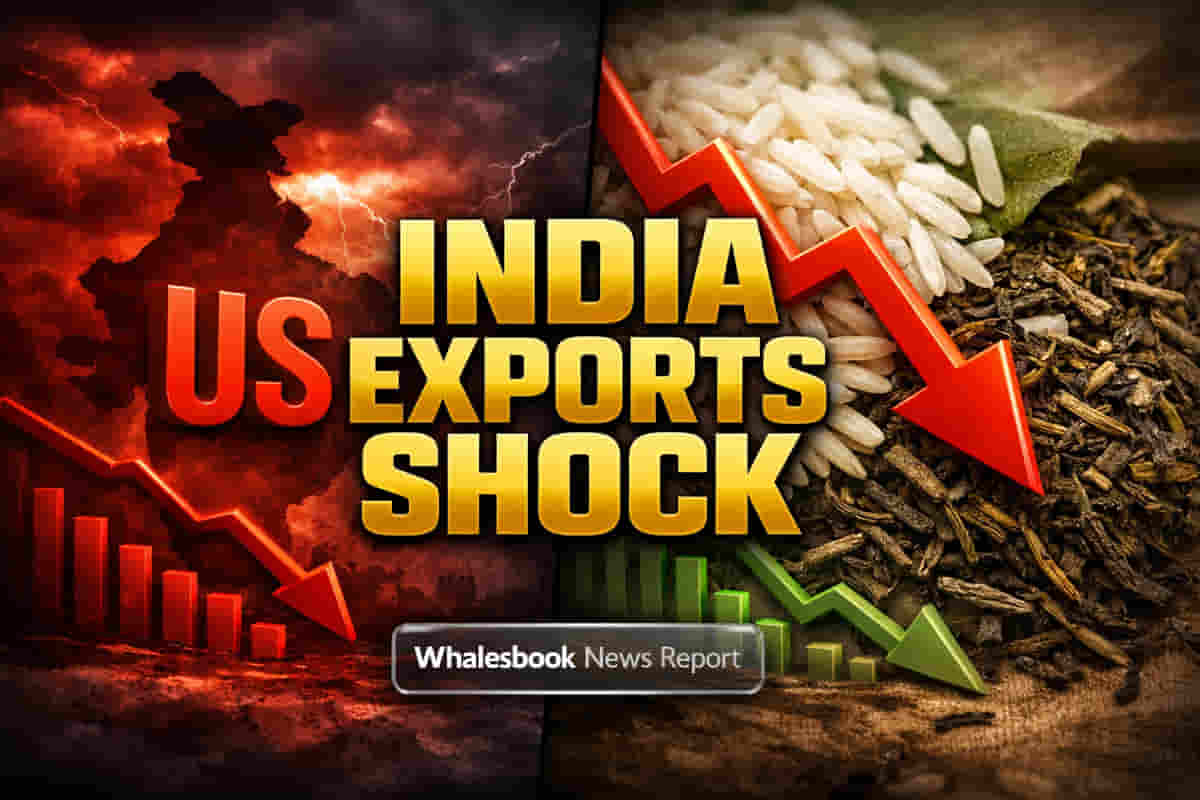
In the short term, certain products such as tea and basmati rice are expected to bear the brunt of the US trade policies. The imposition of a 25% tariff on countries trading with Iran has already started to disrupt global trade flows, and Indian exporters are likely to feel the pinch. While the current account deficit (CAD) is expected to remain manageable, with CRISIL forecasting it to stay at 1% of GDP for the current fiscal year, there are concerns that the trade deficit could widen further in the coming years. The rating agency predicts a slight increase to 1.6% by fiscal year 2026-27, which could have significant implications for India’s economic stability.
Widening Trade Deficit Raises Red Flags
The merchandise trade deficit has expanded significantly, reaching $25 billion in December 2025, up from $20 billion a year prior. This widening gap is a clear indication that export growth is lagging behind import expansion, which could have serious consequences for India’s trade balance. The deceleration in exports to the United States, India’s largest export destination, is a particular cause for concern. With a year-on-year growth rate of just 1.8% in December, it is clear that the trade relationship between the two countries is facing significant headwinds. While smartphone shipments continue to be a significant driver of this trade relationship, the overall slowdown in exports is a worrying trend that needs to be addressed.
Long-term Implications and Future Prospects
As the US-India trade negotiations continue to stall, there are growing concerns about the long-term implications for India’s export sector. The imposition of tariffs on Russian crude oil imports could have a ripple effect on global trade flows, making it even more challenging for Indian exporters to compete in the international market. Furthermore, the widening trade deficit could lead to a decline in investor confidence, which could have far-reaching consequences for India’s economic growth. To mitigate these risks, the Indian government will need to adopt a multi-pronged strategy that includes negotiating favorable trade agreements, diversifying export markets, and implementing policies to boost domestic manufacturing and exports.
Historical Context and Comparative Analysis
The current trade tensions between the US and India are not unprecedented. In the past, India has faced similar challenges, including the imposition of tariffs on Indian goods by the US. However, the current situation is unique in that it is part of a broader trend of protectionism and trade nationalism that is sweeping the globe. A comparative analysis of India’s trade relationships with other countries, such as China and the EU, reveals that the US-India trade relationship is particularly significant, with the US being India’s largest export destination. Therefore, it is essential for India to navigate these trade tensions carefully, balancing its economic interests with its strategic relationships.
Conclusion and Future Directions
In conclusion, the escalating US trade tensions pose significant challenges for India’s export sector, with the potential to disrupt global trade flows and impact India’s economic stability. While the current account deficit is expected to remain manageable, the widening trade deficit and deceleration in exports to the US are causes for concern. To address these challenges, the Indian government will need to adopt a proactive and nuanced approach, including negotiating favorable trade agreements, diversifying export markets, and implementing policies to boost domestic manufacturing and exports. As the global trade landscape continues to evolve, it is essential for India to remain vigilant and adapt to the changing circumstances, ensuring that its export sector remains competitive and resilient in the face of intensifying trade headwinds.