































North Carolina’s AI Revolution: How the State is Embracing Emerging Technology
The state of North Carolina is rapidly positioning itself as a leader in the field of artificial intelligence (AI). From college campuses to state legislatures, there is a growing recognition of the potential of AI to transform industries, improve lives, and drive economic growth. As the technology continues to evolve at a breakneck pace, students, educators, and policymakers are working together to harness its power and mitigate its risks.
Student Perspectives: Living with AI
For college students like Noah Campbell and Hannah Ford, AI is no longer a novelty, but a daily tool. Campbell, a student at UNC-Chapel Hill, recalls his early exposure to AI in 2019, when it was still in its infancy. “It was all about machine learning, basic image recognition, or text-to-speech,” he says. Fast forward to today, and AI has become an integral part of his academic and personal life. He uses it to create study quizzes, track his nutrition, and even hosts workshops to introduce AI literacy into English courses.
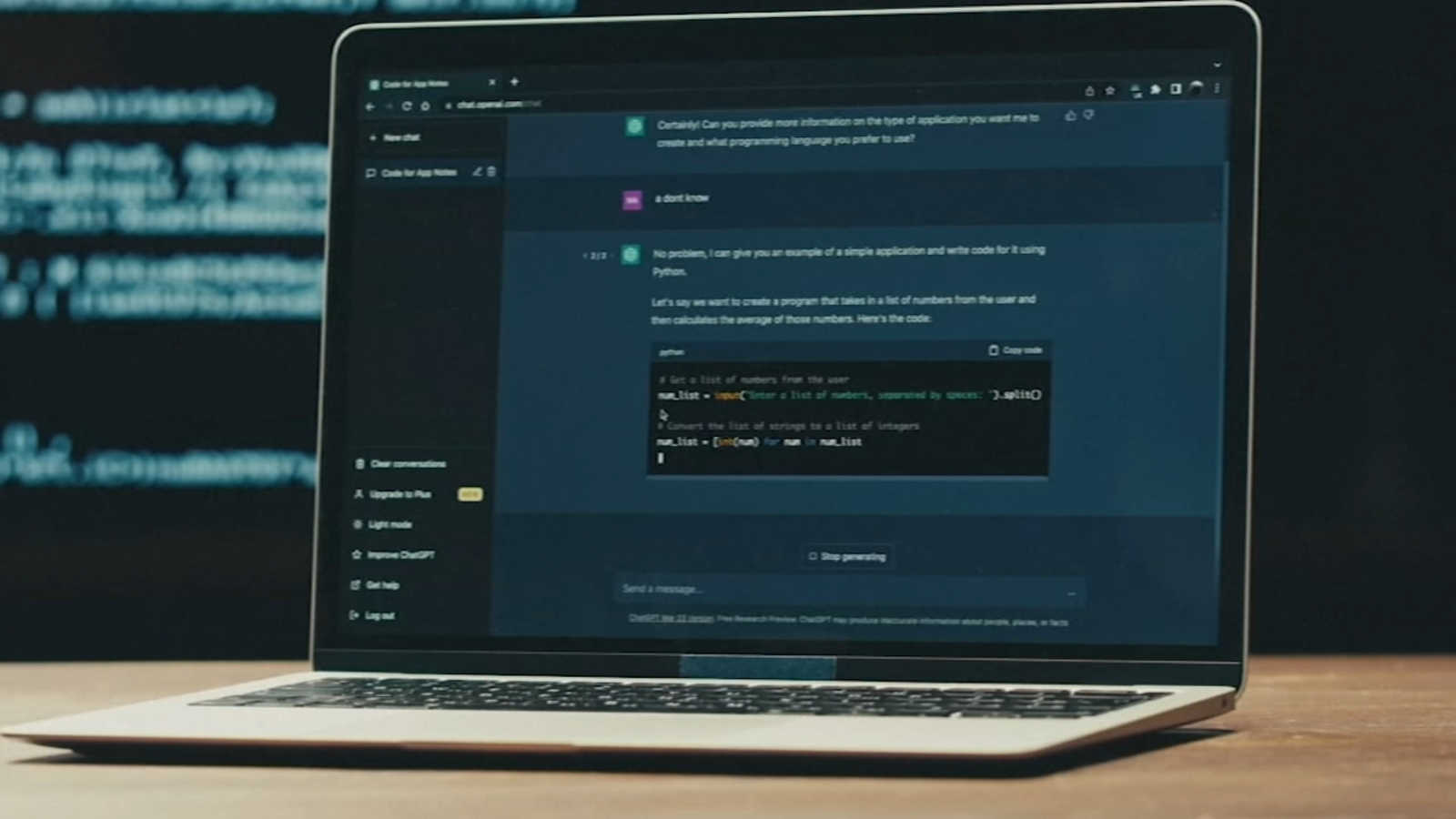
Ford, a Duke graduate, shares similar experiences. She participated in an OpenAI ChatGPT lab, where she saw firsthand the potential of AI to simplify tasks and act as a decision-making aid. “It’s a personalized learning assistant,” she says. “It can help with everything from writing papers to making decisions.” As AI becomes increasingly ubiquitous, students like Campbell and Ford are not only using the technology but also thinking critically about its implications.
AI in College Admissions: A New Era
One area where AI is making a significant impact is in college admissions. Some universities are starting to incorporate AI into the application screening process, using algorithms to review applications and identify top candidates. While this may raise concerns about bias and fairness, proponents argue that AI can help streamline the process and reduce the workload of admissions officers. As Campbell notes, AI can “take in lots of information and paraphrase it,” making it a useful tool for evaluating applications.
The Broader Implications of AI
As AI becomes more pervasive, its impact extends far beyond the college campus. According to a recent Pew Research Center survey, about 20% of U.S. workers report using AI for at least some of their work, and 61% of Americans want more control over how AI is used in their lives. This raises important questions about the role of AI in the workforce, its potential to displace jobs, and the need for education and retraining programs.
While there are valid concerns about the risks of AI, including the potential for bias and job displacement, there are also many potential benefits. AI can help automate routine tasks, improve decision-making, and drive innovation. As Campbell notes, AI is like fire – it can be used for good or ill, depending on how it is harnessed.
Regulation and Education: The Way Forward
So how can we ensure that AI is developed and used responsibly? For Campbell, the answer lies in regulation and education. “We can begin to create policy and think about what rules we want in place,” he says. Ford agrees, emphasizing the importance of education in preparing students for an AI-driven world. “We need a new curriculum where every student across the country is required to take an AI literacy course,” she says. “Not just to briefly understand how the models work, but also to learn what to be cautious of and what to be wary of.”
As North Carolina continues to position itself as a leader in AI, it is clear that the state is committed to harnessing the potential of this emerging technology. By investing in education, regulation, and innovation, North Carolina can help ensure that AI is developed and used in ways that benefit society as a whole. As we look to the future, one thing is clear: AI is here to stay, and it’s up to us to shape its development and use.