































Ukraine’s Plea for Aid: A Desperate Call to Action
The ongoing conflict between Ukraine and Russia has reached a critical juncture, with Ukrainian President Volodymyr Zelensky warning of impending massive Russian strikes. In a recent address, Zelensky emphasized the urgent need for increased air defense supplies and missiles from allied nations, stressing that current provisions are insufficient to counter the looming threat. This dire assessment comes as Ukraine’s capital, Kyiv, struggles to cope with a severe energy crisis, exacerbated by relentless Russian attacks on its infrastructure.
Kyiv’s Energy Crisis: A City on the Brink
Kyiv, one of Eastern Europe’s largest cities, is facing its most severe wartime energy crisis since the Russian invasion in February 2022. The city requires 1,700 megawatts of electricity to power its services, but currently, it has only about half of that amount. Mayor Vitali Klitschko has described the situation as the most difficult challenge facing the capital, with emergency repair crews working around the clock to restore power. The consequences of this energy shortage are far-reaching, leaving millions of Ukrainians to endure a frigid winter without access to basic necessities like heat and light.
Russia’s Relentless Assault: A War of Attrition
Russia’s strategy of targeting Ukraine’s energy infrastructure has been likened to a “meat grinder” approach, aimed at wearing down the Ukrainian military and civilian population through sheer force of numbers. However, Ukraine has shown remarkable resilience, with a recent intelligence assessment revealing a 1:27 kill ratio in the battle for Kupiansk, where 27 Russian soldiers were lost for every Ukrainian. This lopsided outcome underscores Ukraine’s ability to reclaim territory and inflict significant casualties on the Russian military.
A Call for Support: The International Community’s Role
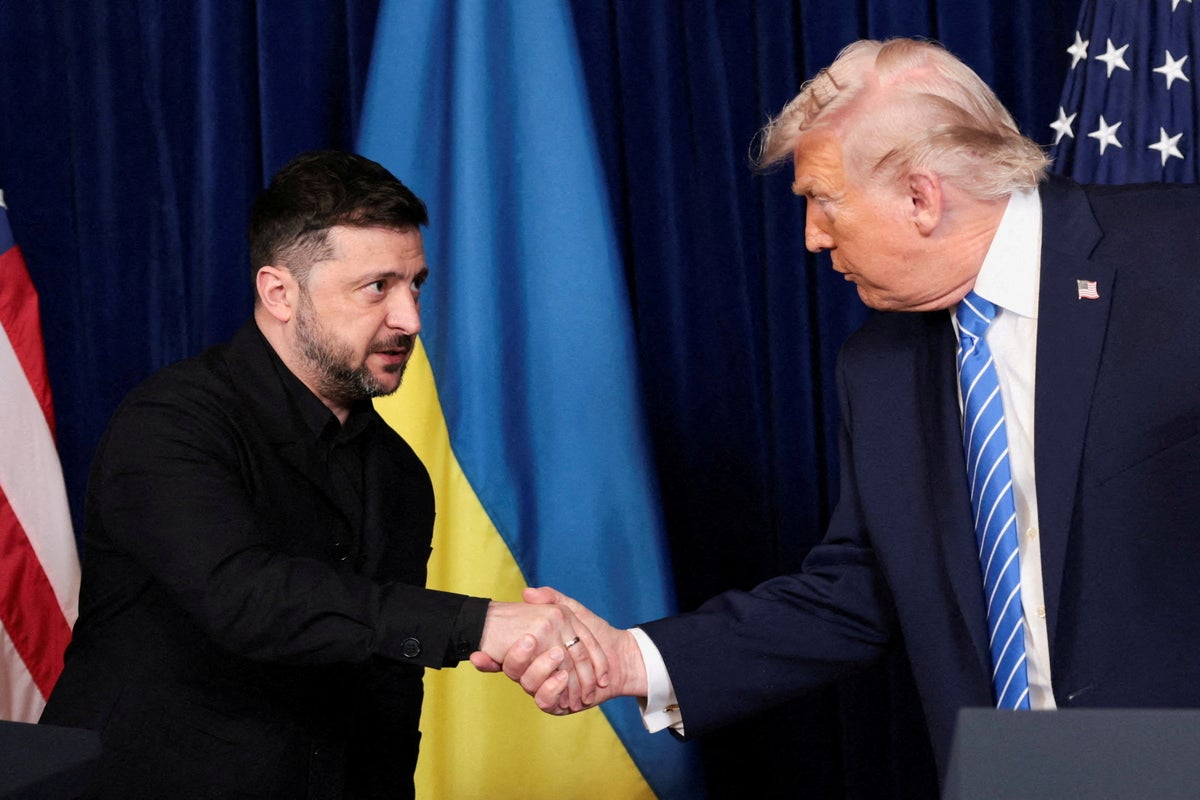
As Ukraine struggles to maintain its defenses, the international community is being urged to provide more substantial support. Zelensky’s appeal for additional air defense systems and missiles is a stark reminder of the urgent need for collective action. The Polish president has gone so far as to suggest that only former US President Donald Trump can stop Putin from threatening Europe, emphasizing the need for a unified and decisive response to the crisis. However, this assertion has been met with skepticism by many experts, who argue that a more coordinated and multilateral approach is required to address the complex issues at play.
Ukraine’s Military Challenges: Desertions, Bureaucracy, and Logistics
Ukraine’s new defense minister, Mykhailo Fedorov, has highlighted the numerous challenges facing the country’s military, including widespread desertions, excessive bureaucracy, and disruptions in equipment supply chains. With an estimated 2 million draft-dodgers and a front line stretching over 1,000 kilometers, the Ukrainian military is facing significant logistical and personnel challenges. These issues underscore the need for sustained international support, not only in terms of military aid but also in terms of institutional reform and capacity building.
Diplomatic Efforts: A Glimmer of Hope
Despite the bleak outlook, there are signs of diplomatic activity, with a Ukrainian delegation arriving in the United States for talks on a US-led peace initiative. The delegation, led by Kyrylo Budanov, Zelensky’s chief of staff, aims to finalize documents related to post-war security guarantees and economic recovery. While these efforts are encouraging, it is essential to recognize that any lasting solution will require the involvement of all parties, including Russia, and a commitment to a negotiated settlement that addresses the underlying issues driving the conflict.
Conclusion: A Critical Juncture
The situation in Ukraine has reached a critical juncture, with the country facing an unprecedented energy crisis, significant military challenges, and a looming threat of massive Russian strikes. The international community must respond with urgency and collective action, providing substantial support to Ukraine’s military and civilian population. As the diplomatic efforts gain momentum, it is essential to recognize that a lasting solution will require a nuanced and multifaceted approach, addressing the complex issues driving the conflict and ensuring a sustainable and equitable peace for all parties involved.