


































Avalanche Tragedy in Austria: A Deadly Reminder of Nature’s Power
A series of devastating avalanches has struck Austria, resulting in the loss of at least eight lives. The tragic events have sent shockwaves through the nation and served as a stark reminder of the unpredictable and awe-inspiring power of nature.
Avalanches in Pusterwald and Salzburg Pongau
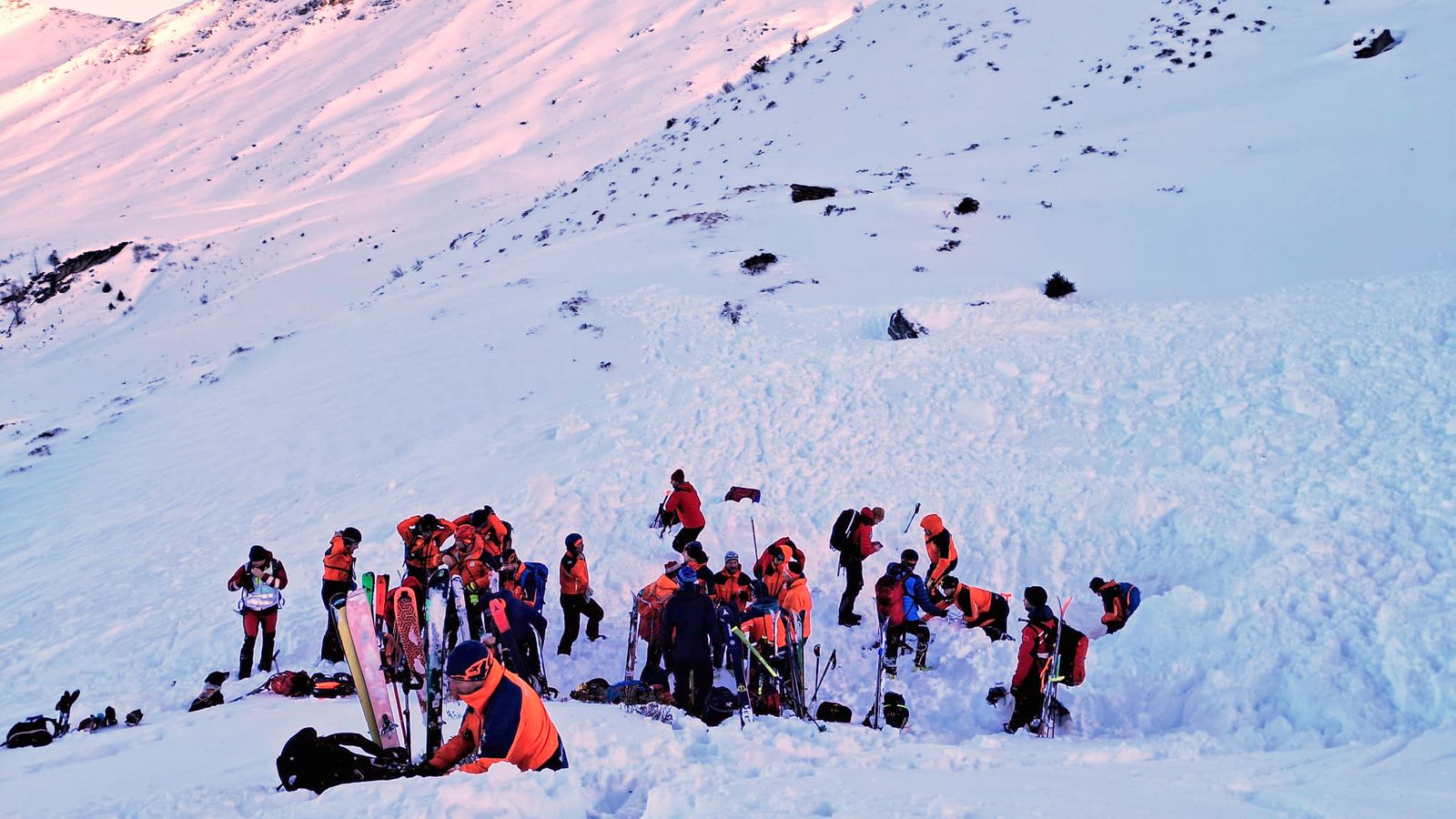
On Saturday, three Czech skiers were killed in the Pusterwald area of the Murtal district in Styria. According to reports, seven skiers were caught in the avalanche, with three becoming completely buried under the snow. In a separate incident, four skiers lost their lives in the Salzburg Pongau region of western Austria, specifically in the Gastein Valley, south of the city of Salzburg. A snow slide swept away seven people, leaving two injured, one severely, and a third managed to escape unharmed.
Rescue Efforts and Warning Signs
The mountain rescue team was alerted to the avalanche at around 2 pm local time on Saturday, with four rescue helicopters, mountain rescue and Red Cross dog teams, and a crisis intervention team being deployed to the scene. Gerhard Kremser, district head of the Pongau mountain rescue service, emphasized the severity of the current avalanche situation, noting the “clear and repeated warnings” about the avalanche risk. His words serve as a poignant reminder of the importance of heeding warnings and respecting the power of nature.
A Broader Context: Europe’s Heavy Snowfall
The avalanches in Austria are not isolated incidents; parts of Europe have been experiencing heavy snowfall over the last week. This has created a hazardous environment for winter sports enthusiasts, with the Salzburg avalanche warning service raising the danger level to “level 3” out of five on Saturday. This warning signifies considerable danger, and the service has urged individuals to exercise extreme caution, particularly in areas with wind-drifted snow, which can be especially treacherous.
Expert Insights and Historical Context
Winter sports experts and rescue teams have long emphasized the importance of being aware of one’s surroundings and recognizing the signs of potential danger. Cracks and settling noises when walking on snow can indicate instability, and wind-drifted snow can be particularly deadly. These warnings are not new, but they bear repeating, especially in light of recent tragedies. Last weekend, a British skier in his 50s died in the French Alps while skiing off-piste in La Plagne, serving as a painful reminder of the risks associated with these activities.
Pondering the Future and Mitigating Risks
As the investigation into these avalanches continues, it is essential to consider the potential long-term implications and how to mitigate such risks in the future. While avalanches are an inherent part of winter sports, there are steps that can be taken to reduce the likelihood of such tragedies occurring. Improved forecasting, enhanced warning systems, and increased awareness among skiers and snowboarders can all play a role in minimizing the dangers associated with these activities. Furthermore, it is crucial to recognize the importance of respecting nature’s power and the need for careful planning and preparation when engaging in winter sports.
Conclusion: A Call for Vigilance and Respect
The avalanches in Austria serve as a sobering reminder of the need for vigilance and respect when interacting with nature. While these events are undeniably tragic, they also offer an opportunity for growth and increased awareness. By heeding warnings, recognizing potential danger signs, and exercising caution, individuals can reduce their risk of being involved in such incidents. Ultimately, it is a delicate balance between embracing the thrill of winter sports and respecting the awe-inspiring power of nature. As we move forward, it is essential to prioritize this balance, ensuring that the beauty and excitement of these activities do not come at the cost of human life.