

































US Drone Industry Faces Uncertain Future After FCC Ban on Foreign-Made Drones
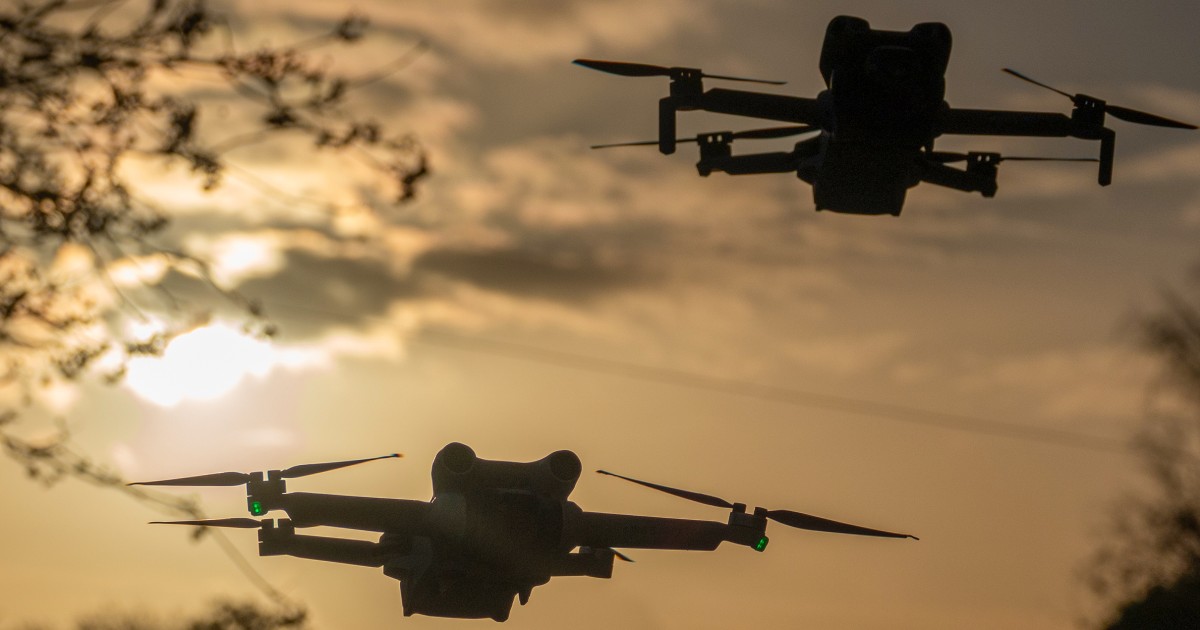
The Federal Communications Commission’s (FCC) sudden announcement to ban all new models of foreign-made drones and critical components from the United States has sent shockwaves through the drone industry. The move, aimed at promoting American drone manufacturing and reducing reliance on Chinese-made drones, is expected to have significant implications for both recreational and commercial drone users.
Impact on Drone Availability and Prices
The ban is likely to lead to a shortage of affordable, cutting-edge drones in the US market, resulting in higher prices for American consumers and businesses. With the US drone industry still in its infancy, domestic manufacturers are not yet equipped to meet the demand for high-quality, affordable drones. Chris Larson, CEO of Standard Systems, a US-based drone component manufacturer, notes that “the United States doesn’t make any drone components,” and that the few suppliers in the country are still in the early stages of development.
China’s Dominance in the Drone Market
China currently dominates the global drone market, with estimates suggesting that it manufactures around 70-90% of drones used in the US. DJI, a Chinese drone brand, is believed to hold over two-thirds of the US personal and commercial drone market share. The US, on the other hand, has a limited number of drone manufacturers, and those that do exist often produce larger, more expensive drones for defense purposes, which are not suitable for the growing consumer and commercial demand.
National Security Concerns
The FCC’s ban is motivated by concerns over national security, with the commission citing “unacceptable risks to the national security of the United States” posed by non-American drones. The ban is seen as part of a broader effort to reduce the country’s reliance on foreign-made drones and promote American drone manufacturing. However, the sudden nature of the ban has caught many in the industry by surprise, with some expressing concerns over the potential impact on the availability and affordability of drones.
Challenges in Building a Domestic Drone Industry
Building a domestic drone industry will be a challenging and expensive task. Drone supply chains are complex, involving rare-earth minerals, composite frames, and other components that are currently largely sourced from China. Establishing domestic production for these components will require significant investment and time. Ben Barani, COO of Standard Systems, notes that the financial incentives for drone manufacturing in the US are limited, making it difficult for companies to compete with Chinese manufacturers who receive heavy subsidies.
Opportunities for American Drone Manufacturers
Despite the challenges, the FCC’s ban presents an opportunity for American drone manufacturers to fill the gap in the market. Companies like Skydio, which offers a range of drones for commercial and recreational use, are well-positioned to benefit from the ban. Additionally, new companies like Purple Rhombus, which aims to produce small, affordable drones using existing sheet-metal machining techniques, are emerging to meet the growing demand for American-made drones.
Implications for the Future of Drone Warfare
The FCC’s ban also has implications for the future of drone warfare. The ongoing conflict in Ukraine has highlighted the importance of drones in modern warfare, with both sides relying heavily on Chinese-made drones. Olaf Hichwa, co-founder of Neros Technologies, notes that “without a domestic drone industrial base, modern countries cannot defend themselves.” The US is seeking to expand its drone manufacturing capacity, with companies like Neros Technologies already producing thousands of drones annually.
Conclusion
The FCC’s ban on foreign-made drones marks a significant shift in the US drone industry. While the ban presents challenges for recreational and commercial drone users, it also offers opportunities for American manufacturers to develop and produce high-quality, affordable drones. As the industry evolves, it is likely that we will see significant investment in domestic drone manufacturing, driven by both national security concerns and economic interests. The future of the US drone industry is uncertain, but one thing is clear: the FCC’s ban has set in motion a chain of events that will have far-reaching implications for the industry and the country as a whole.