


























Global Leaders Gather in Davos Amid Rising Tensions and Growing Inequality
The World Economic Forum (WEF) has kicked off in Davos, Switzerland, bringing together nearly 3,000 attendees from the worlds of business, advocacy, and policy. This year’s theme, “A spirit of dialogue,” aims to promote discussion and cooperation on pressing global issues, including the widening gap between rich and poor, the impact of artificial intelligence on jobs, and the erosion of trust between communities and countries. However, the meeting is taking place against a backdrop of rising tensions and growing inequality, with many critics questioning the effectiveness of the forum in addressing these issues.
A Changing Geopolitical Landscape
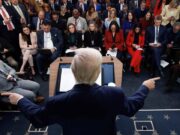
The WEF’s managing director, Mirek Dušek, noted that the current geopolitical landscape is becoming increasingly competitive and contested. With the rise of nationalism and protectionism, the global order is undergoing a significant shift. This change is reflected in the attendance of world leaders, including U.S. President Donald Trump, who will be making his third visit to Davos as president. Trump’s presence is expected to dominate the meeting, with many attendees eager to hear his views on issues such as trade, economic growth, and global security.
Trump’s Presence Looms Large
Trump’s visit to Davos comes at a time when his administration is facing criticism for its handling of various global issues, including its ambition to acquire Greenland, its efforts to exploit Venezuela’s oil resources, and its hardball tactics towards the Federal Reserve. The president’s peace-making credentials will also be under scrutiny, particularly with regards to his proposed “Board of Peace” for Gaza. While Trump is expected to meet with various world leaders on the sidelines of the meeting, his critics will also be in attendance, including Colombian President Gustavo Petro and Iranian Foreign Minister Abbas Araghchi.
A Counterweight to Trump’s Administration
The European Union and China are expected to play a significant role in the meeting, with EU Commission President Ursula von der Leyen and Chinese Vice Premier He Lifeng delivering key speeches on the first day. Their presence is seen as a counterweight to Trump’s administration, which has been accused of undermining global cooperation and promoting a “pro-billionaire agenda.” The EU and China are expected to emphasize the importance of multilateralism and cooperation in addressing global challenges, including climate change, trade, and economic inequality.
New Faces and Old Concerns
This year’s meeting will see the debut of Nvidia CEO Jensen Huang, who is expected to discuss the future of artificial intelligence and its impact on business and work. The meeting will also feature a range of other high-profile attendees, including celebrities like Matt Damon and business leaders like Larry Fink and Andre Hoffman, who have taken over as co-chairs of the WEF. Despite the new faces, old concerns remain, including the growing gap between rich and poor and the erosion of trust in institutions. According to a report by Oxfam, billionaire wealth rose by over 16% last year, while nearly half the world’s population lives in poverty.
A Crisis of Trust
The Edelman trust barometer, which surveys nearly 34,000 people in 28 countries, found that trust in institutions is at an all-time low. The report noted that people are retreating from dialogue and compromise, choosing the safety of the familiar over the perceived risk of change. This shift in mentality has significant implications for global cooperation and the ability of institutions to address pressing challenges. The WEF has long been criticized for generating more rhetoric than results, and this year’s meeting will be closely watched to see if it can deliver on its promise of promoting meaningful dialogue and cooperation.
Critics Take to the Streets
As the meeting got underway, protesters gathered in and around Davos to express their opposition to the WEF and its perceived bias towards the wealthy and powerful. The protesters, who included members of the Young Socialists, accused the Swiss government of courting “warmongers and their profiteers” and argued that the WEF will only fuel escalation and inequality. The protests reflect a growing sense of disillusionment with the global elite and the institutions that serve them. As the meeting continues, it remains to be seen whether the WEF can address these concerns and promote a more inclusive and equitable global economy.