
































Understanding the Impact of Trade Wars on Your Finances
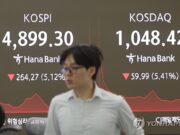
The ongoing trade tensions between the US and Europe have sparked concerns among investors, and it’s essential to understand how these developments can affect your personal finances. The recent escalation of trade war tensions over Greenland has led to a significant decline in US stocks, with the Dow Jones Industrial Average futures plummeting by approximately 1.3%. This decline can have a ripple effect on various aspects of your financial life, from investments to everyday expenses.
Navigating Market Volatility
When trade wars escalate, markets can become increasingly volatile. This volatility can lead to fluctuations in the value of your investments, including stocks, bonds, and other assets. It’s crucial to have a well-diversified portfolio to minimize the impact of market downturns. Consider consulting with a financial advisor to review your investment strategy and ensure it aligns with your long-term goals.
Protecting Your Investments
In times of market uncertainty, it’s essential to prioritize protecting your investments. One way to do this is by maintaining an emergency fund that can cover at least 3-6 months of living expenses. This fund will provide a safety net in case of unexpected market downturns or job losses. Additionally, consider investing in assets that historically perform well during times of economic uncertainty, such as gold or other precious metals.
Diversifying Your Portfolio
Diversification is key to mitigating the risks associated with trade wars. Consider allocating your investments across various asset classes, including stocks, bonds, real estate, and commodities. This will help spread out the risk and reduce the impact of any one particular market or sector experiencing a downturn. It’s also essential to regularly review and rebalance your portfolio to ensure it remains aligned with your investment objectives.
Managing Everyday Expenses
Trade wars can also impact your everyday expenses, particularly if you’re a consumer of imported goods. As tariffs are imposed on various products, prices may increase, affecting your purchasing power. To mitigate this, consider adjusting your budget to account for potential price hikes. You can also explore alternative products or brands that may be less affected by tariffs.
Building an Emergency Fund
Having a robust emergency fund in place can help you navigate the uncertainties of trade wars. Aim to save at least 10% to 20% of your income each month in a easily accessible savings account. This fund will provide a cushion in case of unexpected expenses or financial setbacks. Remember to review and adjust your budget regularly to ensure you’re on track to meet your savings goals.
Staying Informed and Adapting to Change
In today’s fast-paced global economy, it’s essential to stay informed about market developments and adjust your financial strategy accordingly. Keep a close eye on news and trends related to trade wars and their potential impact on your investments and everyday expenses. By being proactive and adaptable, you can make informed decisions to protect and grow your wealth over the long term.
Seeking Professional Advice
If you’re unsure about how to navigate the complexities of trade wars and their impact on your finances, consider seeking the advice of a financial professional. A qualified advisor can provide personalized guidance and help you develop a tailored strategy to achieve your financial goals, even in uncertain market conditions. Remember, a well-informed and proactive approach to managing your finances can help you build wealth and achieve long-term financial stability.