


































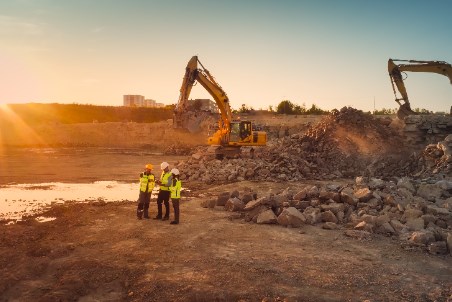
Shaping the Future of Metals and Mining: 2026 and Beyond
As the world grapples with the complexities of a shifting global landscape, the metals and mining sector is poised to navigate a year of significant challenges and opportunities in 2026. According to Wood Mackenzie, a leading research and consulting firm, the industry will be defined by three critical trends: geopolitical shifts, a rewired energy transition, and cautious investment strategies.
Geopolitical Shifts: A New Reality
The global trade landscape for critical minerals will be significantly influenced by two major events in 2026: China’s 15th Five-Year Plan and the US mid-term elections. China’s plan is expected to mark a shift from infrastructure-driven growth to initiatives focused on consumer development, which will have a profound impact on commodity demand. The country’s ability to balance stimulating consumption and managing deflation will be a defining factor in determining whether expanded consumer trade-in programs or more cautious, resilience-focused policies are implemented. In the US, the mid-term elections are likely to complicate fiscal policy, while market volatility stemming from tariff policies and a pending China trade deal will add further layers of uncertainty.
The implications of these geopolitical shifts cannot be overstated. As Peter Schmitz, Director of Global Copper Markets Research at Wood Mackenzie, notes, “China’s balancing act between stimulating consumption and managing deflation will be a defining factor for commodity demand.” This delicate balance will have far-reaching consequences for the metals and mining sector, as companies navigate the complexities of a rapidly changing global landscape.
A Rewired Energy Transition
The energy transition has reached a critical juncture, with renewable power remaining central to energy security globally. Despite policy headwinds, technology developments in 2026 are expected to reshape market expectations for battery materials, particularly as solid-state battery commercialization nears. The potential for a Jevons paradox to materialize, where increased efficiency leads to higher overall commodity demand, is a significant consideration for the industry. While copper stands out due to ongoing supply disruptions, Wood Mackenzie projects a persistent oversupply in other sub-sectors through 2026, which will likely keep most prices low.
The energy transition is a complex and multifaceted issue, with far-reaching implications for the metals and mining sector. As the world continues to shift towards renewable energy sources, the demand for critical minerals such as lithium, cobalt, and nickel is expected to increase. However, this demand must be balanced against the need for sustainable and responsible mining practices, as well as the potential risks associated with supply chain disruptions and price volatility.
Investment Caution and Capital Discipline
Despite emerging opportunities, Wood Mackenzie expects mining companies to exercise caution in 2026, preferring to return capital and engage in mergers and acquisitions rather than pursuing organic growth through new projects. This cautious stance is further complicated by the competitive landscape, where Western miners face pressure from state-backed Chinese investments that operate with different risk profiles and longer-term horizons. The risk of “demand destruction” in sectors where supply cannot be quickly increased is a significant concern, potentially forcing manufacturers to adopt alternative materials.
The investment landscape is expected to shift in 2026, with smaller, more agile players taking the lead on new developments while larger majors focus on consolidating existing assets. As resource-rich nations become increasingly selective in choosing development partners, the supply pipeline faces further delays. This trend is likely to have significant implications for the industry, as companies navigate the complexities of a rapidly changing global landscape.
In conclusion, the metals and mining sector is poised to navigate a year of significant challenges and opportunities in 2026. As the world grapples with the complexities of a shifting global landscape, companies must be prepared to adapt to changing geopolitical realities, a rewired energy transition, and cautious investment strategies. By understanding these trends and their implications, companies can position themselves for success in a rapidly changing industry.