

































Unprecedented Presidential Power Play: The Trump Administration’s Attempt to Fire a Federal Reserve Governor
The phrase “you’re fired” became synonymous with Donald Trump long before he assumed the presidency. As a reality TV star, it was his go-to catchphrase for dismissing contestants on his show, The Apprentice. However, when he brought this mentality to the White House, it sparked controversy and raised concerns about the limits of presidential power. One notable example is his attempt to fire Lisa Cook, a member of the Federal Reserve Board of Governors, which marked a significant departure from historical precedent.
A President’s Unprecedented Move
In August, President Trump attempted to remove Lisa Cook from her position on the Federal Reserve Board of Governors. Cook, one of three Democratic appointees on the seven-member board, has been a vocal advocate for cautious monetary policy. The president’s motivation for seeking her removal was reportedly driven by his desire to see more aggressive interest rate cuts, which he believes would boost the economy. By replacing Cook with a more dovish governor, the president hoped to nudge the Federal Reserve toward more expansionary policies.
The problem with this approach is that it undermines the Federal Reserve’s independence, which is enshrined in law. By statute, members of the Federal Reserve Board of Governors can only be removed “for cause,” which typically refers to serious misconduct, such as corruption or negligence. The president’s attempt to fire Cook without alleging any wrongdoing sets a troubling precedent, as it could be seen as an attempt to politicize the central bank and compromise its ability to make objective decisions about monetary policy.
The Supreme Court Weighs In
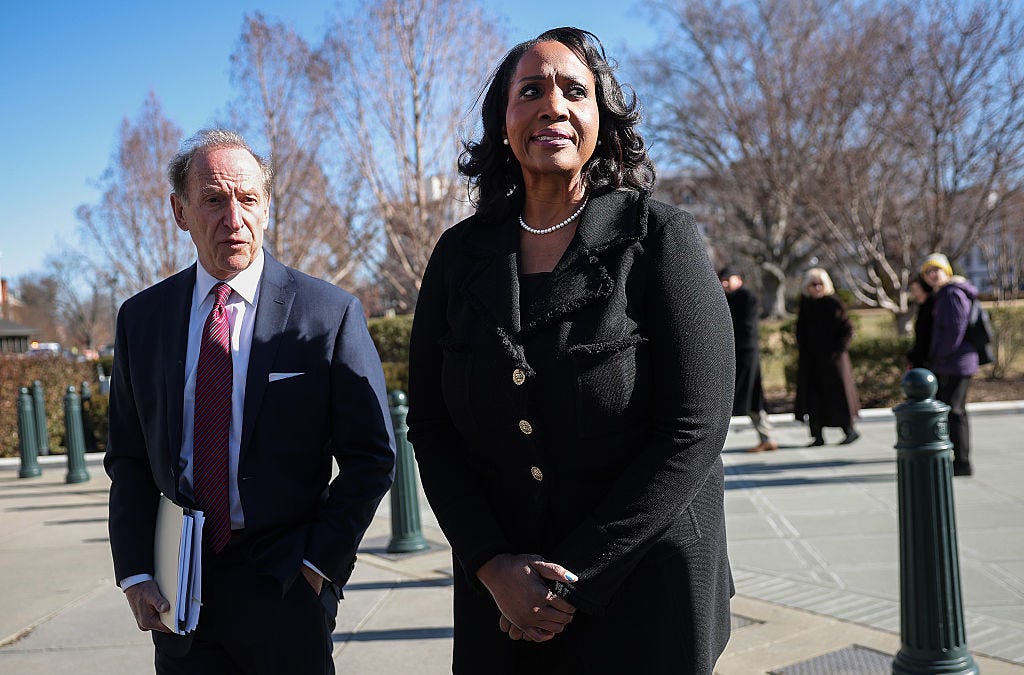
The Supreme Court recently heard arguments in Cook’s case, and the proceedings did not bode well for the White House. The court’s decision will have significant implications for the balance of power between the executive branch and the Federal Reserve. If the court rules in favor of the administration, it could embolden future presidents to exert greater control over the central bank, potentially undermining its independence and credibility.
On the other hand, if the court sides with Cook, it would reaffirm the importance of the Federal Reserve’s independence and limit the president’s ability to interfere with its decision-making process. This outcome would be a significant victory for those who believe that the central bank should be insulated from political pressure and allowed to make decisions based on economic data and expertise, rather than political considerations.
Historical Context and Implications
The Federal Reserve’s independence is not a mere abstraction; it is a deliberate design feature that has been enshrined in law since the central bank’s creation. The Fed’s ability to make decisions without fear of political reprisal has been essential to its effectiveness in promoting price stability and maximum employment. By attempting to fire a governor without cause, the president is challenging this fundamental principle and raising questions about the long-term consequences of such actions.
In the past, presidents have generally respected the Federal Reserve’s independence, recognizing that its ability to make tough decisions about monetary policy is essential to the country’s economic well-being. However, the current administration’s actions suggest a more assertive approach, one that could have far-reaching implications for the economy and the balance of power in Washington.
As the Supreme Court deliberates on this case, it is essential to consider the potential consequences of the president’s actions. If the court rules in favor of the administration, it could create a precedent that would allow future presidents to exert greater control over the Federal Reserve, potentially undermining its independence and credibility. On the other hand, a ruling in favor of Cook would reaffirm the importance of the Federal Reserve’s independence and limit the president’s ability to interfere with its decision-making process. Ultimately, the outcome of this case will have significant implications for the future of monetary policy and the balance of power in Washington.