

































Geopolitics and Market Dynamics: Understanding the Interplay
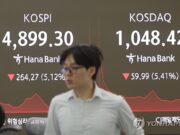
The year 2026 has witnessed a significant escalation in global geopolitical tensions, catapulting these concerns to the forefront of international discourse. The intricate dance between nations, particularly the United States and China, as they vie for economic influence, has introduced a heightened sense of uncertainty and risk. This development is not merely a political phenomenon but has profound implications for equity, bond, and foreign exchange markets, as evidenced by the market volatility observed in the latter half of January.
The Global Struggle for Economic Influence
At the heart of the current geopolitical tensions is the evolving foreign policy doctrine of the United States, as outlined in its National Security Strategy review. This shift underscores a more assertive approach by the U.S. in its pursuit of global economic dominance, setting the stage for a complex and potentially volatile interaction with China. The competition between these two economic giants is not merely about political influence but also about control over critical resources, technologies, and markets that will define the future of global trade and economic stability.
Impact of Geopolitics on Markets
Geopolitical developments can affect markets in multifaceted ways. One of the most immediate effects is the introduction of uncertainty, which can disrupt economic activity and inflation trends. Political events or policy shifts can have a ripple effect, impacting corporate sales, revenues, and distribution channels, especially if supply chains are compromised. The historical precedent of oil as a catalyst for geopolitical tensions and market volatility is well-documented. However, in the contemporary context, the focus has expanded to include technology resources and commodities essential for electrification and digitalization. The future of Taiwan and the competition for rare earth materials are prime examples of how geopolitical tensions can impact critical sectors of the economy.
Investor Vigilance in a Volatile Landscape
Given the interconnected nature of global markets and the potential for geopolitical events to trigger significant market movements, investors must remain vigilant. It is no longer sufficient to monitor economic data alone; geopolitical news and developments must be closely watched. The ability to adjust investment portfolios in response to geopolitical risks is crucial. This requires a deep understanding of how different geopolitical scenarios could play out and their potential impact on various asset classes. In essence, investors need to adopt a holistic approach, considering both economic fundamentals and geopolitical factors when making investment decisions.
Navigating the Future Landscape
As the world navigates these complex geopolitical dynamics, it is essential to consider the historical context and the lessons learned from past episodes of heightened tensions. The ongoing competition between the U.S. and China, coupled with other regional conflicts and tensions, suggests that geopolitical risk will remain a significant factor influencing market decisions. Investors, policymakers, and corporations must be adept at analyzing these risks and developing strategies to mitigate their impact. This includes diversifying portfolios, investing in research and development to reduce dependency on critical resources, and fostering diplomatic efforts to de-escalate tensions.
Prospects for Global Economic Stability
The path to global economic stability is fraught with challenges, but it is not without opportunities. The push for electrification and digitalization, for instance, presents a chance for nations to cooperate on issues like climate change and technological advancement, potentially mitigating some of the tensions related to resource competition. Moreover, the experience of navigating geopolitical risks could accelerate innovation, as companies and countries seek more resilient and diversified supply chains and economic partnerships.
In conclusion, the interplay between geopolitics and markets is complex and multifaceted. As global tensions continue to evolve, understanding this dynamic will be crucial for investors, policymakers, and anyone seeking to navigate the intricacies of the global economy. By combining economic analysis with geopolitical insight, it is possible to develop a more comprehensive view of the future, one that acknowledges both the challenges and the opportunities presented by the current landscape.