
































Understanding the Recent Surge in Gold Prices
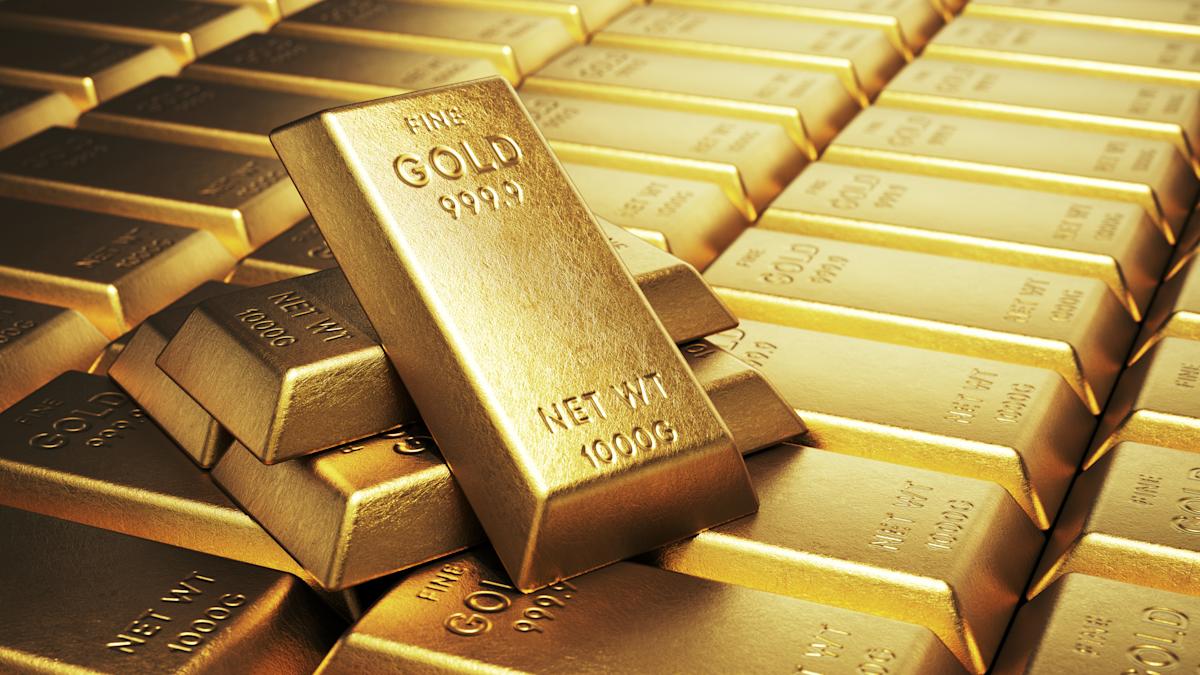
The value of gold has seen a significant increase, with futures jumping above $5,500 per ounce. This surge is largely attributed to the Federal Reserve’s decision to hold interest rates steady and a weakening dollar. As the dollar’s value decreases, investors often turn to hard assets like gold to protect their purchasing power from the erosion of fiat currencies. This phenomenon, known as the debasement trade, is a key factor in the current gold rally.
The Impact of Dollar Weakness on Gold Prices
The greenback’s instability has been a significant contributor to the rise in gold prices. With the dollar falling against other currencies, gold has rallied more than 20% year-to-date. According to Robin Brooks, a senior fellow at the Brookings Institution, “Dollar weakness is supercharging the rise in gold… adding fuel to the fire for the crazy rise in precious metals.” This correlation underscores the importance of monitoring currency fluctuations and their potential impact on investment portfolios.
Factors Contributing to the Gold Rally
Several factors are driving the current bullion rally. Expectations of easier Federal Reserve policy, geopolitical tensions, and central banks’ strong demand for gold while reducing exposure to government bonds are all playing a role. The potential for aggressive rate cuts, hinted at by President Trump’s possible pick for Fed chair, Rick Rieder, could further contribute to the debasement trade. As Ole Hansen, head of commodity strategy at Saxo Bank, noted, “Unchecked fiscal debt creation continues to erode confidence in fiat currencies,” pushing investors towards hard assets.
Geopolitical Tensions and Their Effect on Gold
Geopolitical tensions, particularly those related to Iran, are also driving the gold rally. President Trump’s announcement of a “massive Armada” headed to Iran, threatening military action unless Tehran agrees to negotiate, has heightened uncertainty and fear, leading investors to seek safe-haven assets like gold. This reaction is typical in times of geopolitical instability, as investors seek to protect their wealth from potential downturns.
Other Precious Metals on the Rise
The surge in gold prices is not an isolated event; other precious metals are also experiencing significant increases. Silver has jumped as high as $116 per ounce, with a surge of roughly 50% since the start of the year. Strong demand from China and restrictions on silver exports have contributed to this fast rally. Platinum and copper prices have also seen notable gains, with platinum hovering near record highs and copper topping $13,000 for the first time in London last week.
Investing in Gold and Other Precious Metals
For those considering investing in gold or other precious metals, it’s essential to understand the market dynamics and potential risks. Investing in gold can be done in several ways, including buying physical gold, gold ETFs, or gold mining stocks. However, it’s crucial to approach these investments with a clear understanding of the market and a well-diversified portfolio. As with any investment, there are risks involved, and it’s essential to do thorough research and consider seeking professional advice before making any decisions.
Conclusion and Future Outlook
The current surge in gold prices, driven by a combination of factors including dollar weakness, geopolitical tensions, and expectations of easier Federal Reserve policy, is a significant development in the financial markets. As investors navigate this complex landscape, it’s essential to remain informed, diversify portfolios, and consider the potential implications of economic and geopolitical events on their investments. By understanding the underlying factors driving the gold rally and taking a thoughtful, informed approach to investing, individuals can make more effective decisions about their financial futures.