

































The 2026 FIFA World Cup: A Tournament Under Fire
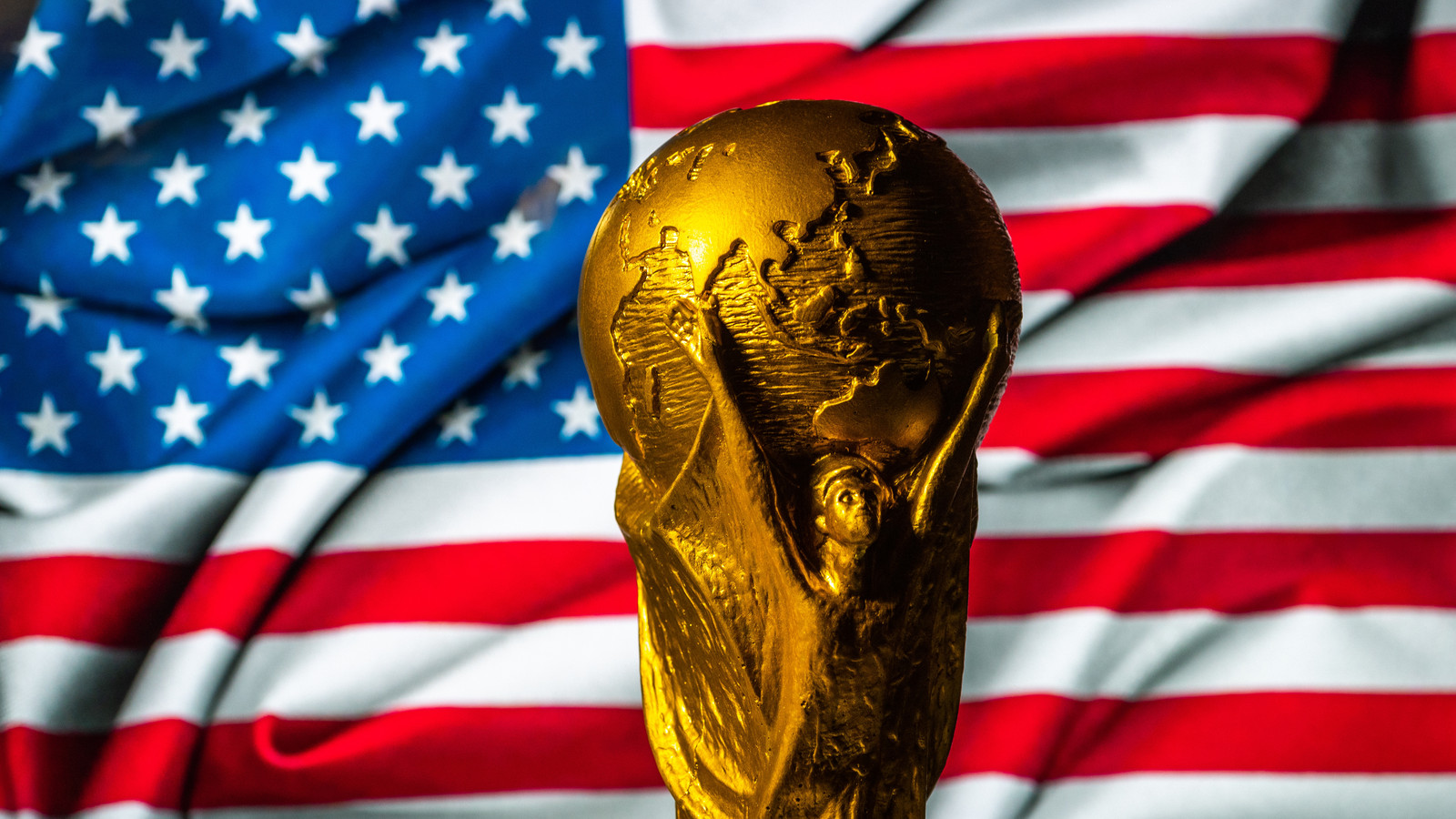
The upcoming 2026 FIFA World Cup, scheduled to take place in the United States, Canada, and Mexico, is facing growing scrutiny and controversy. Recent announcements and threats made by U.S. President Donald Trump regarding Greenland and a potential trade war with the EU have sparked widespread concern among European nations, with some calling for a boycott of the tournament.
European Fears and Concerns
The situation has become so dire that European FIFA fans are being warned to avoid traveling to the U.S. altogether, citing valid immigration concerns. Swiss lawyer Mark Pieth, a specialist in white-collar crime and anti-corruption, has advised fans to “stay away from the USA,” suggesting that they will be better off watching the tournament on TV. Pieth’s comments are backed by former FIFA president Sepp Blatter, who shares similar concerns about the potential risks faced by fans traveling to the U.S.
Boycott Calls Gain Momentum
The strongest calls for a boycott have emerged from Germany, with Oke Göttlich, vice-president of the German Football Association, likening any potential boycott to the Western boycott of the 1980 Moscow Olympics. Göttlich has questioned the justifications for participating in the tournament, given the current geopolitical climate and the potential threats posed to fans. Roderich Kiesewetter, a member of the German parliament’s foreign affairs committee, has also expressed concerns, stating that it would be difficult for European countries to participate in the World Cup if President Trump follows through on his announcements and threats.
Challenges Faced by the 2026 FIFA World Cup
The 2026 FIFA World Cup is already confronting an unprecedented mix of international scrutiny and domestic controversy. The tournament, scheduled to take place from June 11 to July 19 across 16 host cities in the United States, Canada, and Mexico, is facing significant challenges, including absurdly high accommodation price tags, concerns over Seattle’s local events, and costly U.S. tourist visa policies.
Host Cities and Tournament Preparations
Despite the challenges, the host cities are preparing for the tournament, with the United States featuring cutting-edge NFL stadiums, Canada spotlighting its multicultural cities and coastal scenery, and Mexico showcasing its storied football heritage. The Estadio Azteca in Mexico is set to become the first venue to host three World Cups. However, the tournament’s success is largely dependent on the ability of the host countries to provide a welcoming and inclusive environment for international fans.
Immigration Concerns and Travel Bans
The U.S. travel bans recently issued against several countries have added to the concerns faced by international fans. The presence of ICE agents at FIFA matches has also sparked fears among fans, with many wondering if they will be safe attending the tournament. The U.S. government’s stance on immigration and travel policies has created an air of uncertainty, making it difficult for fans to plan their trips.
Reassuring the World
As the U.S. prepares to host the World Cup, it must reassure the world that the tournament will remain welcoming, inclusive, and free from immigration enforcement anxieties. The success of the tournament depends on the ability of the host countries to provide a safe and enjoyable experience for international fans. With the current geopolitical climate and the potential threats posed to fans, it remains to be seen whether the 2026 FIFA World Cup will be able to overcome the challenges and provide a memorable experience for fans from around the world.
Potential Consequences and Future Implications
The potential consequences of a boycott or a failed tournament could be significant, with far-reaching implications for the world of football and international relations. The 2026 FIFA World Cup is not just a sporting event; it is a global spectacle that brings people together from around the world. A successful tournament could help to bridge cultural and geographical divides, promoting understanding and cooperation among nations. However, a failed tournament could exacerbate existing tensions and create a ripple effect, impacting future international events and relations. As the world watches with bated breath, one thing is certain – the 2026 FIFA World Cup will be a tournament like no other, with its success or failure having significant consequences for the world of football and beyond.