































Landmark Ruling in Border Patrol Shooting Case
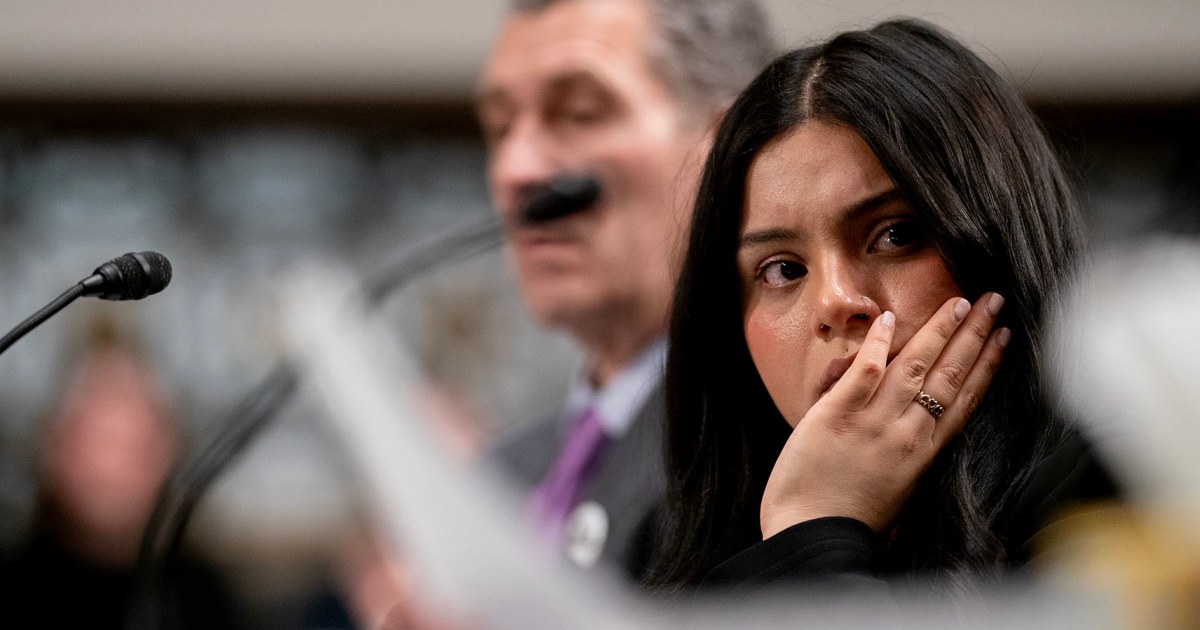
A recent decision by U.S. District Judge Georgia Alexakis has paved the way for the release of text messages sent by Border Patrol Agent Charles Exum after he shot Marimar Martinez, a Chicago woman, in October. The ruling is significant, as it provides insight into the agent’s and the Department of Homeland Security’s (DHS) credibility, as well as their perception of the shooting.
Background of the Case
The incident occurred on October 4, when Exum shot Martinez five times after she allegedly rammed her car into agents’ vehicles. However, Martinez denies ramming them and claims that the agents were the aggressors. Notably, Exum did not have his body camera turned on during the incident, which has raised questions about the accuracy of the official account.
Text Messages and Bragging
In one text message previously released, Exum bragged about his shooting skills, writing: “I fired 5 rounds and she had 7 holes. Put that in your book boys.” This message has sparked controversy, with many criticizing Exum’s tone and language. The release of these text messages is expected to provide further insight into Exum’s mindset and the culture within the Border Patrol.
Government Opposition and Judge’s Ruling
Government lawyers argued that the release of Exum’s text messages would further damage the agent’s and his family’s reputation. However, Judge Alexakis pushed back, stating that she was concerned about the sullying of Martinez’s reputation, rather than the agent’s. The judge ultimately ruled in favor of releasing the text messages, as well as other evidence, including emails, investigative reports, and statements by higher-ranking DHS officials.
Implications and Future Releases
The release of this evidence is expected to shed light on the thinking and instruction of DHS officials, particularly in cases where agents use deadly force against U.S. citizens. The ruling also allows for the release of body camera footage from an agent who was in the vicinity of the shooting, as well as photos and reports from after the crash and audio from Martinez’s 911 call. Additionally, the judge ruled in favor of releasing Flock surveillance camera footage from 30 days before the shooting, which is expected to show Martinez engaged in everyday activities and rebut DHS’ statements about her alleged history of doxxing federal agents and ambushing them.
Broader Context and Comparisons
The case has drawn comparisons to recent fatal shootings in Minnesota, which highlight the importance of transparency and accountability in cases where law enforcement use deadly force. Martinez’s lawyer, Chris Parente, has argued that the evidence in her case is crucial to the public interest, particularly in light of these recent events.
Official Misstatements and Refusal to Correct
The case has also been marked by official misstatements, including those made by high-ranking officials in the Trump administration. For example, FBI Director Kash Patel shared a post that included a video and falsely claimed that Martinez had rammed a DHS vehicle. Despite the case being dropped, DHS has refused to correct its statements, including branding Martinez a “domestic terrorist.” The judge’s ruling and the release of evidence are expected to help clear Martinez’s name and provide a more accurate account of the events.
Conclusion and Future Steps
The ruling is a significant victory for Martinez and her lawyers, who have been fighting to clear her reputation. Parente stated that they will continue to fight to clear her name, emphasizing that it is unacceptable to call a U.S. citizen with no criminal history a “domestic terrorist.” The release of evidence and the judge’s ruling are expected to have implications for the broader conversation about law enforcement accountability and the use of deadly force. As the case continues to unfold, it is likely to remain a topic of national interest and debate.