


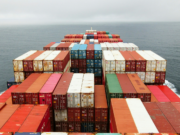






























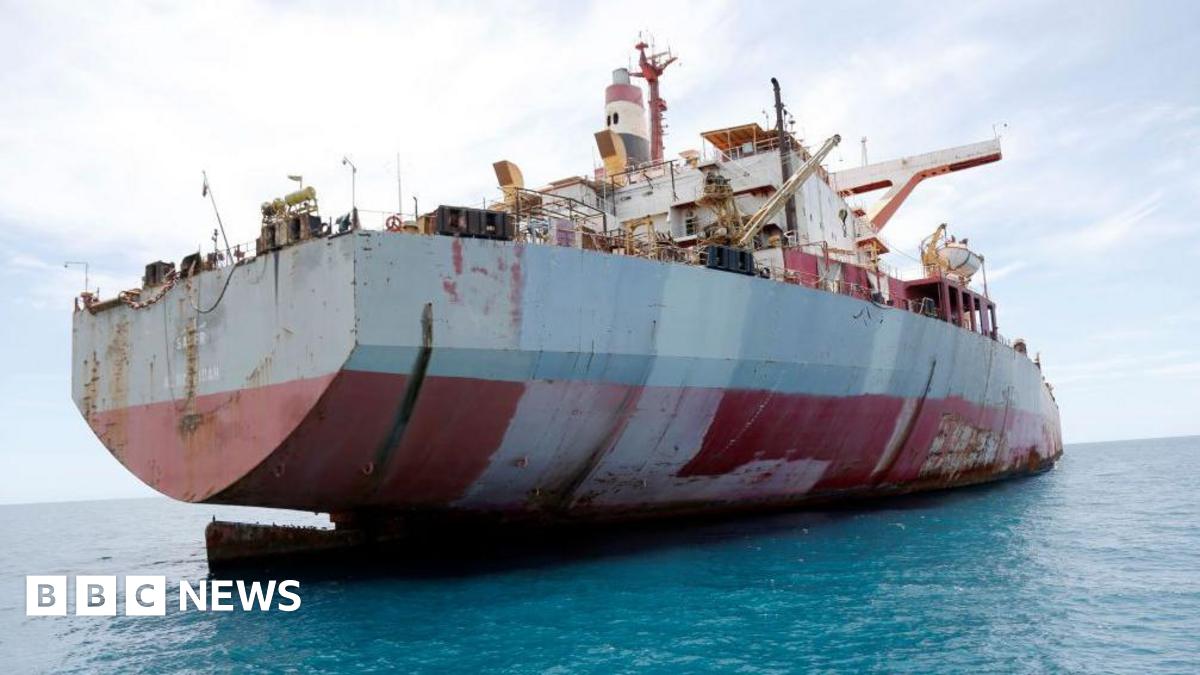
The number of abandoned oil tankers and other commercial ships has shot up
Introduction to the Crisis of Abandoned Ships
The world has witnessed a staggering increase in the number of abandoned ships over the past decade. According to the International Transport Workers’ Federation (ITF), the number of such incidents has skyrocketed from 20 in 2016 to a alarming 410 in 2025, with a staggering 6,223 merchant seamen falling victim to this phenomenon. This represents a nearly third increase from the previous year, highlighting the severity of the crisis.
Geopolitical Instability: A Key Contributing Factor
One of the primary drivers behind this surge is the escalating geopolitical instability worldwide. The COVID-19 pandemic, coupled with widespread conflicts, has triggered significant supply chain disruptions and volatile freight costs. As a result, many ship operators are struggling to stay afloat, leading to an increased number of abandoned vessels. The instability has created an environment where some operators are forced to take risks, compromising on safety and regulatory compliance to remain operational.
The Rise of “Shadow Fleets”
The ITF believes that the growing presence of “shadow fleets” has contributed significantly to the sharp increase in abandoned ships. These vessels, typically old and poorly maintained oil tankers, operate under a veil of secrecy, often with obscure ownership and lacking proper insurance. They frequently sail under “flags of convenience” (FOCs), which means they are registered in countries with minimal regulatory oversight, allowing them to evade strict safety and environmental standards.
Sanctions Evasion and the Role of Shadow Fleets
A significant portion of these shadow fleet vessels are involved in helping countries like Russia, Iran, and Venezuela circumvent Western sanctions by exporting crude oil. The case of Russia is particularly noteworthy. Following its invasion of Ukraine in February 2022, Russia faced sanctions that capped the price it could charge for its crude oil. However, Russia has managed to find buyers willing to pay higher prices, such as China and India. The latter, however, has recently pledged to cease such purchases as part of a US trade deal, indicating the complex web of international relations and trade agreements influencing the operations of these shadow fleets.
Implications and Concerns
The rapid expansion of shadow fleets and the consequent rise in abandoned ships pose significant concerns for global maritime safety, environmental protection, and the welfare of seafarers. These vessels, by their very nature, are more prone to accidents and environmental disasters due to their age and poor maintenance. Furthermore, the lack of regulatory oversight and insurance coverage leaves crew members highly vulnerable, with little to no recourse in case of abandonment.
Future Directions and Potential Solutions
Addressing the issue of abandoned ships and shadow fleets requires a multi-faceted approach. Enhancing international cooperation to enforce stricter regulations on ship registration and operation is essential. Additionally, there needs to be a concerted effort to monitor and track these vessels more effectively, potentially through advanced technologies such as satellite tracking. The international community must also prioritize the support and protection of seafarers, ensuring they receive fair treatment and compensation, especially in cases of abandonment. Ultimately, tackling the root causes of geopolitical instability and promoting ethical, compliant trade practices will be crucial in mitigating the growth of shadow fleets and reducing the number of abandoned ships worldwide.