


























Introduction to the Future of AI
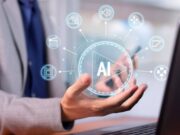
The concept of artificial intelligence (AI) has long been a topic of fascination and concern. Once considered the stuff of science fiction, AI has become an integral part of our daily lives, with tech moguls like Elon Musk and Bill Gates championing its development and implementation. However, as AI continues to advance at an unprecedented rate, concerns about its potential impact on humanity have grown. Recently, Musk shared a chilling prediction that AI will exceed the intelligence of all humans combined by 2030, a prospect that was previously thought to be years, if not decades, away.
The Rise of Autonomous AI
Musk’s prediction suggests that AI will soon be capable of functioning independently, without the need for human input. This raises important questions about the role of humans in an AI-driven world. While AI has the potential to revolutionize industries such as healthcare, finance, and transportation, it also poses significant risks, including job displacement and loss of human agency. As AI becomes increasingly autonomous, it is essential to consider the potential consequences of creating a system that is more intelligent and capable than humans.
Expert Insights and Predictions
Bill Gates, the founder of Microsoft, has also weighed in on the future of AI, suggesting that it will become a ubiquitous and essential tool in the near future. In a recent interview, Gates noted that AI will make many tasks, including medical diagnosis and education, more accessible and affordable. However, he also acknowledged the uncertainty and potential risks associated with AI, asking whether humans will be able to shape its development and ensure that it aligns with our values and goals.
The Future of Work and Finance
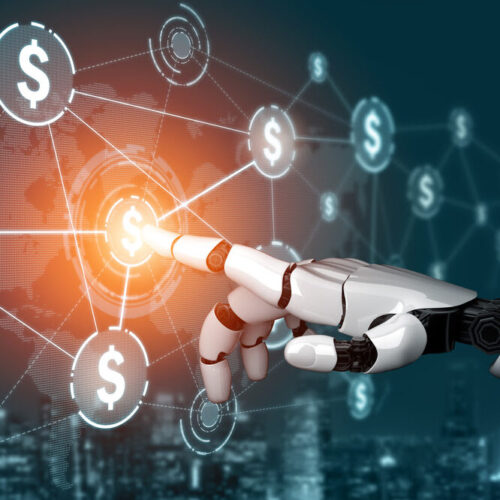
Musk’s predictions for the future of AI also extend to the world of finance. He believes that with the advent of AI, people will no longer need to worry about saving for retirement, as technology will provide for all their needs. However, financial experts have urged caution, warning that this is a misleading and potentially dangerous message. While AI may bring about significant changes to the economy and the nature of work, it is unlikely to eliminate the need for financial planning and responsibility.
Implications and Concerns
The development of AI raises important questions about the future of work, the distribution of wealth, and the role of humans in an AI-driven world. As AI becomes increasingly capable and autonomous, there is a risk that it could exacerbate existing social and economic inequalities. Furthermore, the potential for AI to displace human workers and disrupt traditional industries is a significant concern. It is essential to consider these implications and develop strategies to mitigate the negative effects of AI, while also harnessing its potential to drive innovation and improve human lives.
Expert Reactions and Counterpoints
Experts such as Ekaterina Abramova, a professor at the London Business School, have cautioned that the impact of AI on the economy and society will depend on a range of factors, including government policies and social norms. While AI may bring about significant benefits, it is unlikely to magically solve problems such as poverty and inequality. Instead, it is essential to develop a nuanced understanding of the potential effects of AI and work towards creating a future where its benefits are shared by all.
Conclusion and Future Directions
The future of AI is uncertain and potentially transformative. As we move forward, it is essential to consider the potential risks and benefits of AI and work towards creating a future where its development is aligned with human values and goals. This will require a collaborative effort from experts, policymakers, and the general public to ensure that AI is developed and implemented in a responsible and sustainable manner. Ultimately, the future of AI will depend on our ability to navigate its complexities and harness its potential to drive innovation and improve human lives.