































Introduction to the Birthright Citizenship Debate
The Supreme Court is set to hear a landmark case this spring, one that could redefine the concept of birthright citizenship in the United States. At the heart of the case, known as Barbara v. Trump, is a challenge to President Trump’s executive order that seeks to deny citizenship to children born in the U.S. if neither parent is a citizen or lawful permanent resident. This move has significant implications, potentially overturning 125 years of precedent and reinterpreting the meaning of “subject to the jurisdiction” under the 14th Amendment.
The Executive Order and Its Implications
The executive order, signed by President Trump on his first day back in office, outlines two scenarios in which children born in the U.S. would not automatically receive citizenship. The first scenario involves children born to mothers who are unlawfully present in the U.S. and fathers who are not U.S. citizens or lawful permanent residents. The second scenario affects children born to mothers with lawful but temporary presence in the U.S., such as those on tourist visas, student visas, or temporary work visas, whose fathers are not U.S. citizens or lawful permanent residents. This policy would impact the potential children of roughly 3 million people legally present in the U.S., including babies born to H-1B workers from India or graduate students from China.
The Legal Journey and Challenges
Every court that has reviewed the policy has blocked it as unconstitutional, citing the 14th Amendment, which states that “all persons born or naturalized in the United States, and subject to the jurisdiction thereof, are citizens of the United States.” The Trump administration argues that the phrase “subject to the jurisdiction” implies “complete political allegiance” or “not subject to any foreign power,” which would exclude children of non-citizens. However, challengers argue that this interpretation is historically incorrect and unworkable, pointing to the 14th Amendment’s intent to overturn the Dred Scott decision and ensure citizenship for formerly enslaved people.
Historical Context and Precedent
The 14th Amendment was ratified in 1868, and its debates make clear that “subject to the jurisdiction” was meant to exclude only those with immunity from U.S. law, such as foreign diplomats and soldiers during a hostile occupation. The Supreme Court’s 1898 decision in United States v. Wong Kim Ark further solidified this understanding, holding that a man born in San Francisco to Chinese immigrant parents was a U.S. citizen because he was born on U.S. soil. For over a century, it has been understood that every person born in the U.S., regardless of their parents’ citizenship or immigration status, is a U.S. citizen.
The Road to the Supreme Court
When Trump’s executive order was first challenged in January 2025, multiple district courts issued nationwide injunctions blocking the policy. However, the Supreme Court’s decision in Trump v. CASA limited the power of district courts to issue such injunctions, prompting the A.C.L.U. to pivot to a class action strategy. A federal judge certified a nationwide class of all babies affected by the policy, and a preliminary injunction was issued to protect them. This move effectively maintained the block on the policy, leading the Supreme Court to agree to hear the case on its merits.
Potential Implications of a Supreme Court Ruling
If the Supreme Court sides with the Trump administration, it would mean that the 14th Amendment never guaranteed birthright citizenship for children of non-citizens. The practical implications would be far-reaching:
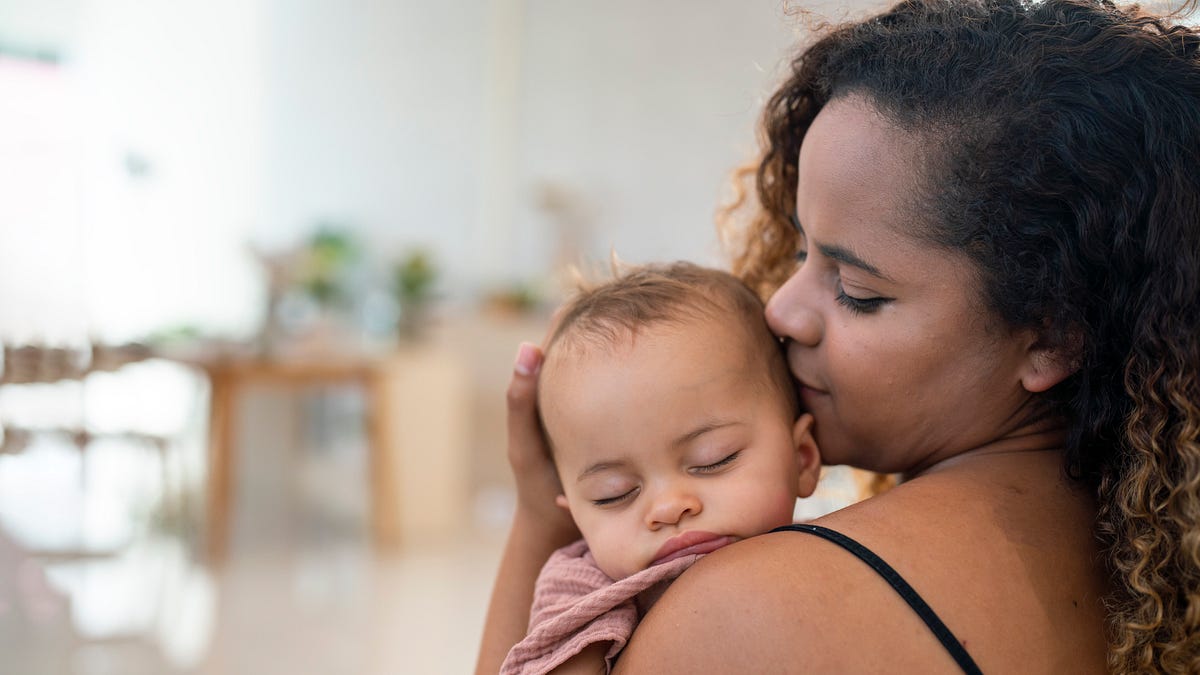
- Hundreds of thousands of babies born in the U.S. each year would be denied citizenship, with the Migration Policy Institute projecting an average of about 255,000 U.S.-born children affected annually.
- Many of these children could become stateless, as not all countries grant birthright citizenship, and if neither the U.S. nor the parents’ home country recognizes the child as a citizen, the child would have no citizenship.
- Implementation would be complex, raising questions about who would determine a newborn’s parents’ immigration status and whether hospitals or state vital-records offices would need to verify legal status before issuing birth certificates.
- It would create two kinds of birth certificates, some proving citizenship and others not, introducing uncertainty and potential discrimination.
- It would alter the relationship between the federal government and the states on citizenship questions, potentially creating situations where someone is recognized as a citizen in one state but not another.
Conclusion and Future Outlook
Oral arguments are expected this spring, with a decision likely by June or July 2026. The outcome of this case will have profound implications for the concept of birthright citizenship and the lives of hundreds of thousands of children born in the U.S. each year. As the Supreme Court navigates the complexities of the 14th Amendment and the Trump administration’s executive order, it will be crucial to consider the historical context, legal precedent, and potential consequences of its decision. The future of American citizenship and the principles of equality and justice enshrined in the Constitution hang in the balance.