




























The Shifting Global Economic Landscape
The world is witnessing a significant shift in the global economic landscape, driven by increasing tensions among major economies, a decline in multilateral institutions, and a loss of trust in the global rules-based trading system. This shift is resulting in a more fragmented global economy, where efficiency is often compromised for resilience and political alignment. As countries become more protective of their interests, businesses face greater uncertainty over access to markets, technologies, and capital, while nations worry about overdependence on foreign suppliers for critical goods.
The Rise of Economic Rivalry
This new phase of economic rivalry is closely linked to geopolitical and security risks. Conflicts between states, regional wars, and diplomatic breakdowns are increasingly spilling over into trade and investment policies, turning economic tools into extensions of foreign policy. The rapid rise of artificial intelligence and other strategic technologies is intensifying competition, as countries race to control innovation, data, and computing power. This adds another layer of tension to already strained international relations, making it challenging for nations to cooperate on critical global issues.
The Intersection of Economic and Geopolitical Risks
The World Economic Forum’s assessment highlights that the risks facing the global economy are no longer isolated or purely financial. Economic confrontation is interacting with other major threats, such as extreme weather, social polarization, and misinformation, creating a volatile environment in which shocks can quickly cascade across borders. For instance, trade disruptions or sanctions can fuel inflation, strain government finances, and worsen social unrest, making economies more vulnerable to political instability. This intersection of economic and geopolitical risks underscores the need for a more comprehensive approach to managing global challenges.
A More Fragmented and Multipolar World
Looking beyond the immediate horizon, the report paints a picture of a world moving towards a more fragmented and multipolar order. Power is becoming more dispersed, alliances more fluid, and global cooperation harder to sustain. This raises concerns that coordinated responses to long-term challenges, such as climate change, public health, and financial stability, could become more difficult to achieve at precisely the time they are most needed. The implications of this shift are far-reaching, with potential consequences for global governance, economic development, and social stability.
Implications for Businesses and Investors
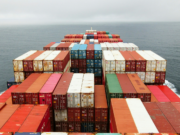
For businesses and investors, the message is clear: geopolitical and geoeconomic risks can no longer be treated as peripheral issues. Decisions about where to invest, where to source, and how to structure supply chains will increasingly be shaped by political considerations as much as by cost and efficiency. Companies may need to build greater redundancy into their operations and prepare for sudden policy shifts that can disrupt markets overnight. This requires a more nuanced understanding of the complex interplay between economic, political, and social factors that shape the global economy.
Navigating the New Economic Reality
The World Economic Forum’s warning comes at a time when the global economy is already struggling with slowing growth, high debt levels, and lingering inflationary pressures. In such an environment, a surge in economic confrontation could amplify volatility and undermine confidence, making it harder for countries to achieve stable and inclusive growth. As world leaders gather for discussions on the future of the global economy, the report underscores the urgency of finding ways to manage rivalry without allowing it to spiral into destructive economic warfare. While competition between nations is unlikely to disappear, the challenge will be to prevent it from eroding the foundations of global prosperity and pushing the world into a prolonged period of instability and fragmentation.
Conclusion
The shifting global economic landscape presents both challenges and opportunities. As the world becomes more fragmented and multipolar, it is essential to recognize the interconnectedness of economic, geopolitical, and social risks. By acknowledging these complexities and developing more nuanced strategies for managing rivalry, businesses, investors, and policymakers can work towards creating a more resilient and sustainable global economy. Ultimately, the future of global prosperity depends on the ability to balance competition with cooperation, ensuring that the benefits of economic growth are shared by all.