

































Introduction to Bethany Kozma: The New Face of U.S. Health Diplomacy
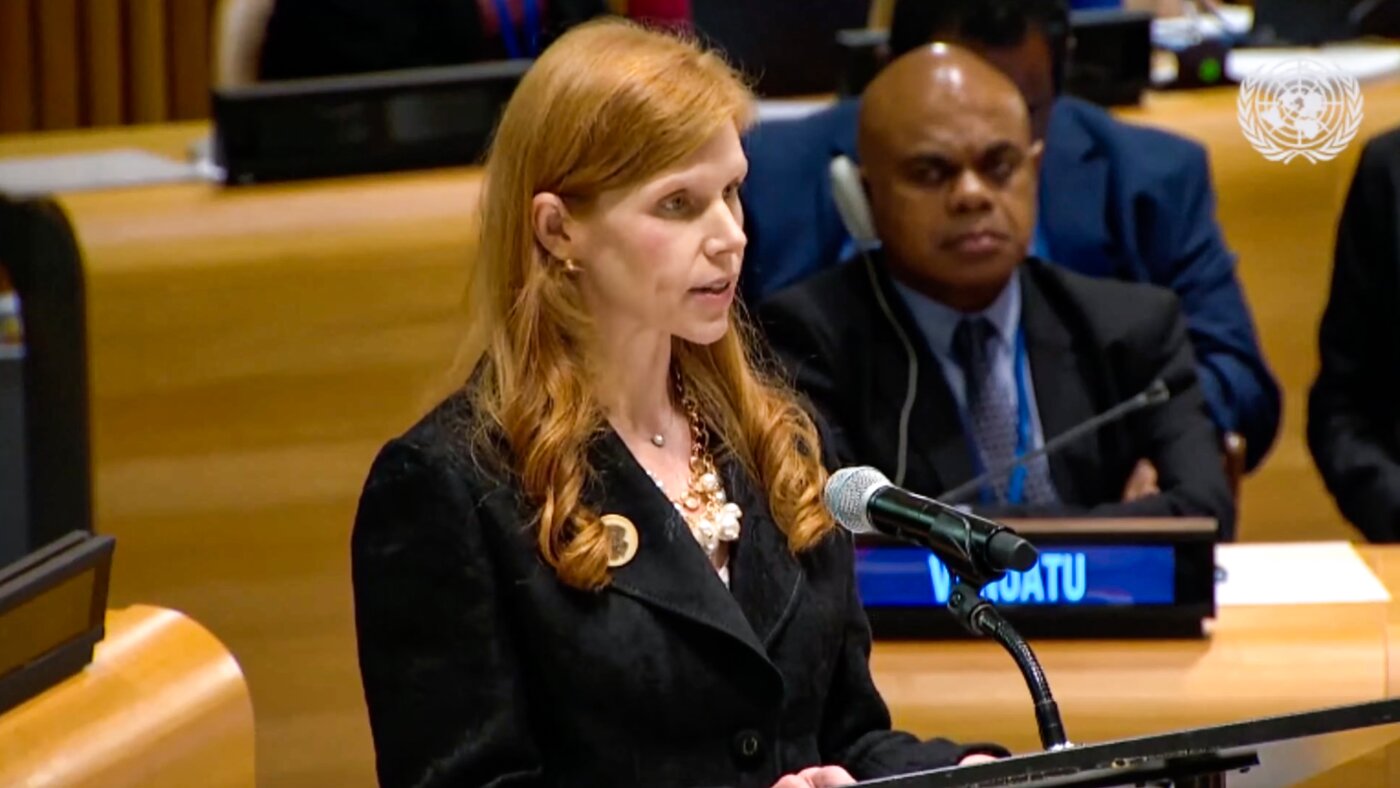
Bethany Kozma, the newly appointed director of the Department of Health and Human Services Office of Global Affairs, has taken on a critical role in shaping the United States’ global health policy. Although her name may not be well-known in the public health sphere, her background and previous statements on health issues have sparked concern among advocates for reproductive rights and LGBTQ+ communities. As the “diplomatic voice” of HHS, Kozma will have significant influence over how the U.S. engages with other countries on health issues, particularly in the wake of the Trump administration’s foreign aid cuts and withdrawal from the World Health Organization.
Who is Bethany Kozma?
Kozma’s career in public service began during the George W. Bush administration, where she worked at the White House Homeland Security Council. She later became an activist during the Obama years, speaking out against the administration’s guidance on transgender rights in public schools. In a 2016 commentary for The Daily Signal, a conservative news website, Kozma argued that the policy would endanger children and create opportunities for predators. Her views on transgender issues have been consistent, and she has referred to gender-affirming care as “absolutely infuriating” and “evil.”
Kozma’s involvement in the Trump administration began in 2017, when she joined the United States Agency for International Development (USAID) as senior adviser for Gender Equality and Women’s Empowerment. She was later promoted to deputy chief of staff and played a prominent role in Project 2025, the Heritage Foundation’s “blueprint” for a new Republican administration. In training videos obtained by ProPublica, Kozma called for a Republican administration to “eradicate ‘climate change’ references from absolutely everywhere” and argued that concerns over climate change are efforts at “population control.”
Goals and Implications of Kozma’s Appointment
As director of the HHS Office of Global Affairs, Kozma will be responsible for shaping the U.S. approach to global health issues, including negotiations with the World Health Organization and other international partners. However, her appointment has raised concerns among reproductive rights advocates, who fear that she will use her position to insert anti-abortion and anti-LGBTQ policies into U.S. foreign aid agreements.
One particular worry is the potential expansion of the Helms Amendment, a U.S. policy that prohibits foreign aid from being used to fund abortion services. There is speculation that the administration may expand this amendment to include LGBTQ+ individuals, which could result in health groups that serve these populations losing funding. This concern is backed up by reporting from The Daily Signal that the administration is planning to prohibit U.S. aid funding for “gender ideology and diversity, equity and inclusion initiatives.”
Potential Consequences of Kozma’s Appointment
The implications of Kozma’s appointment are far-reaching and potentially devastating for marginalized communities. By inserting anti-abortion and anti-LGBTQ policies into U.S. foreign aid agreements, the administration may exacerbate existing health disparities and create new barriers to care. For example, LGBTQ+ individuals are often at higher risk for diseases like HIV, and restrictive policies could make these communities even more vulnerable. As Musoba Kitui, director of Ipas Africa Alliance, notes, “We could see more marginalization, inequality, spikes of infection” if these policies are implemented.
The appointment of Bethany Kozma as director of the HHS Office of Global Affairs marks a significant shift in the U.S. approach to global health issues. While her views on health issues have been consistent, they have also been divisive and sparked concern among advocates for reproductive rights and LGBTQ+ communities. As the U.S. navigates a new era of global health diplomacy, it is essential to consider the potential consequences of Kozma’s appointment and the implications for marginalized communities around the world.