
































The Shifting Landscape of Artificial Intelligence: From Software to Hardware
The artificial intelligence (AI) boom is undergoing a significant transformation, with a growing focus on the physical machinery that makes computation possible. This shift is evident in the strategic pivot of Nuway Capital, a UK-based alternative investment and infrastructure advisory firm, which is expanding its focus on graphics processing units (GPUs) and data-centre infrastructure. This move reflects a broader reassessment among investors, who are recognizing that the scarce resource in the AI race is no longer clever code, but the physical hardware that enables computation.
The Rise of GPUs and Data-Centre Infrastructure
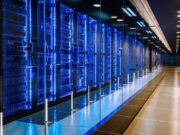
For much of the past decade, investors have focused on software champions and platform economics, driving growth in digital megatrends such as cloud computing, social media, and gaming. However, as AI models have grown larger and more power-hungry, attention has shifted down the value chain to the physical infrastructure required to support them. The latest report from Nuway and KPMG highlights a widening structural gap between AI-driven demand for computing capacity and the availability of underlying infrastructure.
The Growing Demand for Data-Centre Capacity
Global data-centre capacity is forecast to expand by around 15% annually through 2027, according to the UK House of Commons Library. However, this growth rate is outpaced by demand driven by AI training, inference, and cloud adoption. The result is an imbalance that is increasingly shaping investment behavior. GPU supply remains constrained by limited semiconductor manufacturing capacity, geopolitical fragility in global supply chains, and acute bottlenecks in power, land, and grid connectivity.
A New Era of Investment
The economics of GPUs and data centres are becoming more infrastructure-like, with sustained demand, physical bottlenecks, and a growing emphasis on operational efficiency and asset selection. As Colin Bosher, founder of Nuway Capital, notes, “Demand for GPUs is no longer episodic, it’s structural.” This shift is leading investors to view GPUs and data centres as regulated utilities with attractive scarcity premiums, rather than speculative technology plays.
The Attractiveness of GPUs as an Investment Opportunity
Survey data from KPMG supports this shift, with over 70% of high-net-worth individuals and 60% of family offices and wealth managers ranking GPUs as a more attractive investment opportunity than other emerging technologies, including blockchain, quantum computing, and renewable energy. GPUs offer indispensable, real-world utility tied directly to the digital transformation of the global economy, making them an attractive investment opportunity.
The Financial Performance of Leading Producers
The financial performance of leading GPU producers, such as NVIDIA, has boosted margins and valuations across the sector. NVIDIA’s market capitalization has reached trillions, making it a bellwether for broader equity markets. However, the competitive landscape is far from settled, with alternative architectures, such as Google’s AI-native tensor processing units (TPUs), poised to enter the market.
The Importance of Hardware and Infrastructure
While hardware is a critical component of the AI ecosystem, it does not tell the full story. Deploying GPUs at scale is increasingly difficult due to scarce real estate for hyperscale data centres, constrained grid capacity, and environmental concerns. Long development cycles, complex cooling requirements, skills shortages, and rising financing costs further exacerbate the challenge.
GPU-as-a-Service Models
Against this backdrop, Nuway Capital is expanding its advisory and platform capabilities around GPU capacity and high-performance computing infrastructure, including GPU-as-a-Service models. These structures lower the barrier for companies unable to finance dedicated infrastructure, offering investors exposure to recurring, usage-based revenues. As Chris Brown, partner and head of KPMG Strategy in Ireland, notes, “The next phase of artificial intelligence will be shaped less by software innovation alone and more by access to physical infrastructure.”
Conclusion: The New Reality of AI Investment
The AI gold rush is no longer just about software innovation; it’s also about the physical infrastructure that enables it. Investors are recognizing that the owners of the picks, shovels, and power stations – not just the prospectors – hold the upper hand. As the AI ecosystem continues to evolve, it’s clear that hardware and infrastructure will play an increasingly critical role in shaping the future of this technology.