


































The Debate Over ‘Domestic Terrorism’ in the Wake of a Fatal Shooting
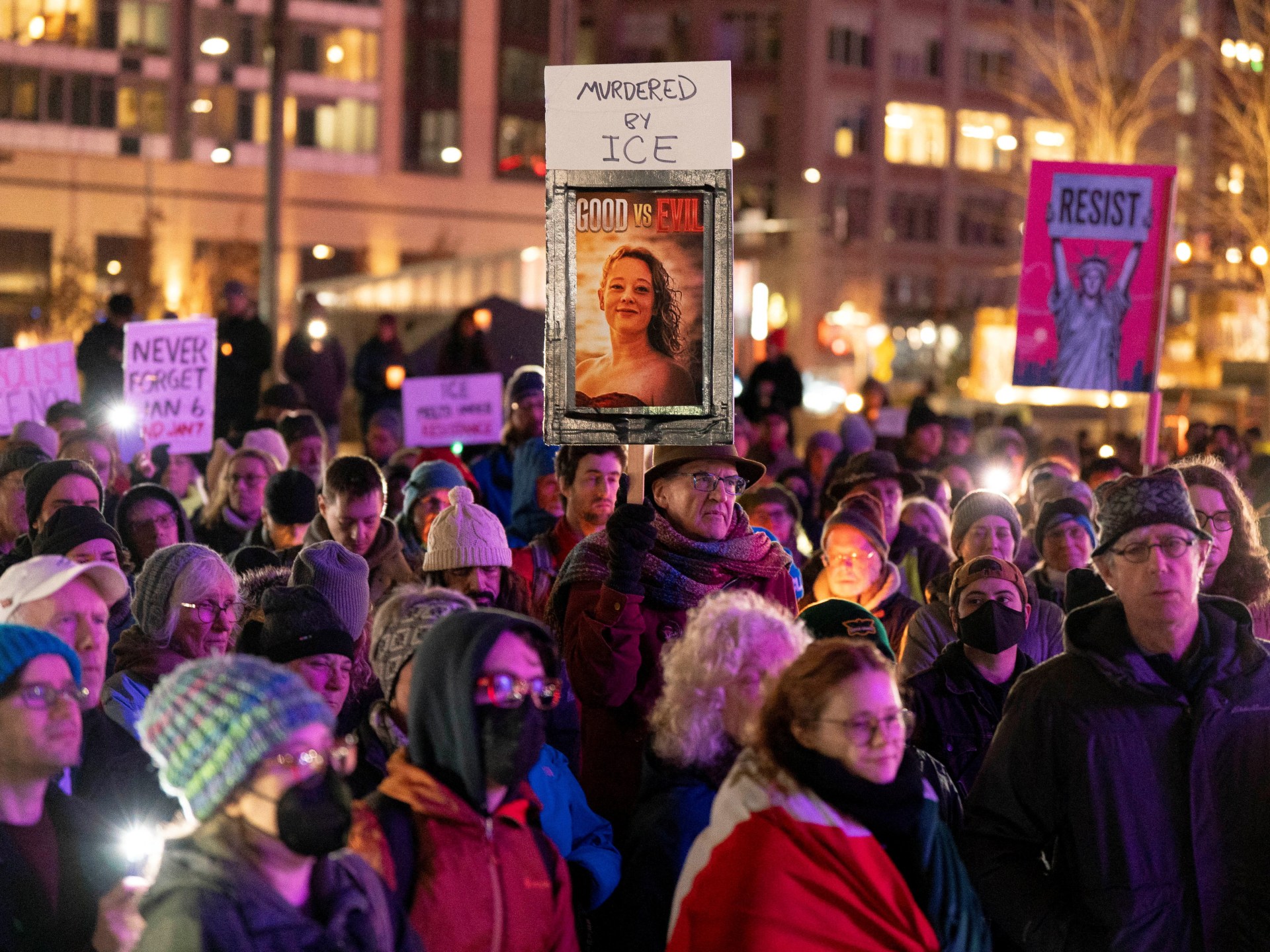
The recent fatal shooting of Renee Nicole Good, a Minneapolis woman, by an Immigration and Customs Enforcement (ICE) officer has sparked a heated debate over the use of the term “domestic terrorism.” United States Homeland Security Secretary Kristi Noem has described Good’s actions as “domestic terrorism,” claiming that she refused to obey orders, “weaponized her vehicle,” and attempted to run over an officer. However, Minnesota officials have disputed this account, citing videos that show Good trying to drive away from the scene.
A Disputed Account
The incident has raised questions about the accuracy of Noem’s statement, with Minnesota Attorney General Keith Ellison calling it “an abuse of the term” “domestic terrorism.” The use of this term has been a point of contention, with some arguing that it is being used to justify the killing of Good and malign her character. The Trump administration has been criticized for its broadening of the “domestic terrorism” label, with experts warning that it could infringe on free speech rights and target specific ideological groups.
Defining ‘Domestic Terrorism’
The definition of “domestic terrorism” is complex and has been interpreted in different ways by federal agencies. The FBI defines it as acts that are dangerous to human life, violate federal or state criminal laws, and appear intended to intimidate or coerce civilians, influence government policy, or affect the conduct of a government. The Department of Homeland Security (DHS) uses a similar definition, citing a statute that defines “domestic terrorism” as dangerous to human life or potentially destructive of critical infrastructure or key resources.
Expert Analysis
Experts have raised concerns about the use of the term “domestic terrorism,” arguing that it is often used rhetorically rather than legally. Former FBI agent Michael German has stated that there is no law that authorizes the US government to designate an individual or group as a “domestic terrorist.” The Congressional Research Service has also noted that the federal government does not have a mechanism to formally charge an individual with domestic terrorism, making it difficult to characterize someone as a domestic terrorist.
The Trump Administration’s Broadening of the ‘Domestic Terrorism’ Label
The Trump administration has been accused of broadening the “domestic terrorism” label to include a range of activities, from immigration enforcement-related shootings to left-wing activism. The administration’s use of the term has been criticized for being overly broad and potentially infringing on free speech rights. The memo issued by the administration in September, which called on law enforcement to prioritize threats including “violent efforts to shut down immigration enforcement,” has been particularly contentious.
Implications and Concerns
The implications of the Trump administration’s broadening of the “domestic terrorism” label are significant, with experts warning that it could lead to the targeting of specific ideological groups and the infringement of free speech rights. The use of the term has also been criticized for being overly partisan, with some arguing that it is being used to justify the killing of individuals like Renee Nicole Good. The lack of a clear definition and mechanism for designating individuals or groups as “domestic terrorists” has also raised concerns about the potential for abuse and the erosion of civil liberties.
Questions Raised About Noem’s ‘Domestic Terrorism’ Label
The use of the term “domestic terrorism” by Secretary Noem has raised questions about the accuracy of her statement and the potential for bias. Experts have argued that the term is being used to malign Good’s character and justify her killing, rather than to accurately describe her actions. The lack of evidence to support the claim that Good was engaging in “domestic terrorism” has also been cited as a concern, with some arguing that the term is being used pejoratively and prejudicially.
Conclusion
The debate over the use of the term “domestic terrorism” in the wake of the fatal shooting of Renee Nicole Good highlights the complexities and challenges of defining and addressing domestic terrorism. The Trump administration’s broadening of the term has raised concerns about the potential for abuse and the erosion of civil liberties, and experts have warned that it could infringe on free speech rights and target specific ideological groups. As the investigation into Good’s death continues, it is essential to approach the use of the term “domestic terrorism” with caution and to ensure that it is used accurately and fairly.