


































Understanding Your Rights When Encountering ICE Agents
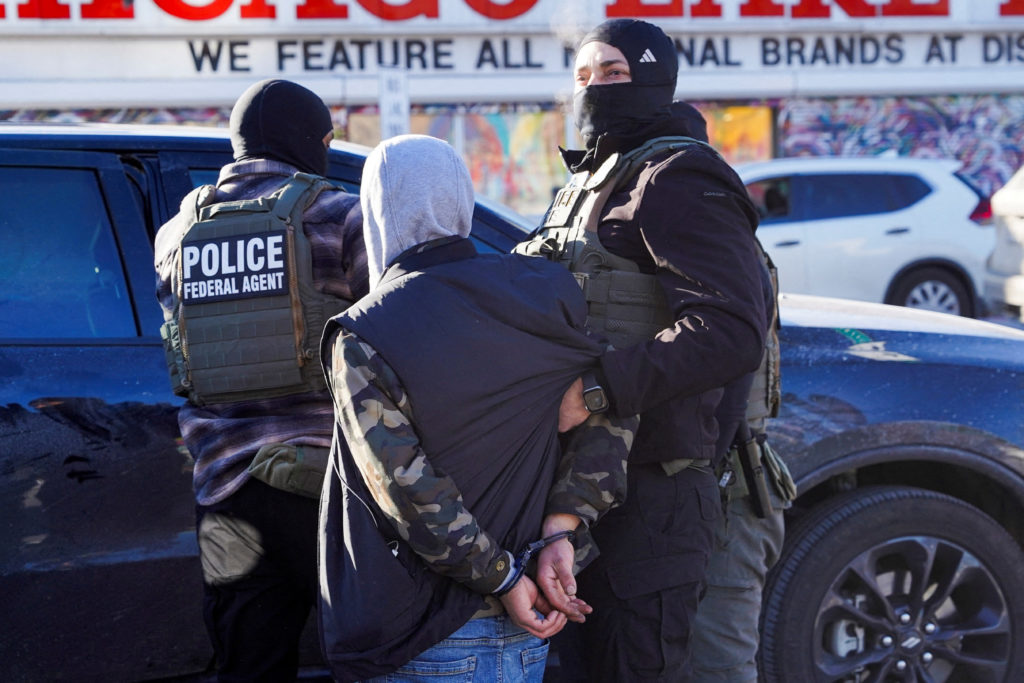
The recent deployment of 3,000 Immigration and Customs Enforcement (ICE) agents in Minneapolis has sparked widespread concern and protests. Videos of confrontations between ICE agents and residents have flooded social media, raising questions about the limits of ICE’s authority and the rights of individuals when interacting with the agency. As the situation continues to unfold, it is essential to understand the legal framework governing ICE’s actions and the protections afforded to individuals under the Constitution.
Constitutional Protections Against Unreasonable Searches and Seizures
The Fourth Amendment to the US Constitution protects individuals from unreasonable searches and seizures. This fundamental right applies to all law enforcement agencies, including ICE. According to Alexandra Lopez, a managing partner at a Chicago-based law firm specializing in immigration cases, “All law enforcement officers, including ICE, are bound by the Constitution.” The Fourth Amendment does not prohibit ICE from enforcing immigration laws, but it does constrain the agency’s actions, requiring them to justify their interactions with individuals.
Reasonable Suspicion and Probable Cause
ICE agents can question someone in a public place, but more extensive interactions, such as a brief detention, require a “reasonable suspicion” that the individual has committed a crime or is in the US illegally. This standard is higher than a mere guess or presumption, as noted by Georgetown University law professor Michele Goodwin. To meet this standard, a reasonable person would need to suspect that a crime was being committed, had been committed, or would be committed. Agents must meet an even higher bar to arrest someone, requiring “probable cause,” which generally necessitates enough evidence or information to suggest a person has committed a crime.
The Concept of “Kavanaugh Stops”
A recent opinion by Supreme Court Justice Brett Kavanaugh has given ICE increased discretion to use race as a factor for stopping and questioning people. In the 2025 case Noem v. Perdomo, Kavanaugh wrote that “apparent ethnicity” could be used as a “relevant factor” in determining reasonable suspicion, as long as it was combined with other factors and not used on its own. Critics argue that this opinion invites abuse and opens the door to ethnic profiling. However, the legal impact of this opinion might be limited, as it came from a procedural ruling rather than a substantive one.
Do People’s Rights Differ Inside Their Homes Versus in Public Spaces?
The Supreme Court has generally ruled that law enforcement cannot enter a private home without a warrant signed by a judge, which requires the government to provide evidence showing probable cause. Unless a resident grants consent, ICE agents cannot enter a private home without a judicial warrant. Securing a judicial warrant is time-consuming and typically reserved for high-priority cases. In the past, federal immigration officers would not forcibly enter homes if they only had an administrative warrant issued by ICE itself, without a judge’s approval. However, a leaked ICE memo suggests that the agency may be changing its policy, allowing agents to enter homes without consent using an administrative warrant alone.
What Can People Do If They Think ICE Has Infringed on Their Fourth Amendment Rights?
If an individual believes their rights were violated, their options for suing for compensation are limited. Federal law generally prohibits civil lawsuits against federal officials for violating people’s rights. The Supreme Court has tightened these prohibitions, making it challenging for individuals to seek redress. However, there might be an opportunity to sue under the Federal Tort Claims Act, although this path is not easy, and most people cannot afford to retain a lawyer.
Conclusion
As the situation in Minneapolis continues to unfold, it is crucial for individuals to understand their rights when interacting with ICE agents. The Constitution provides essential protections against unreasonable searches and seizures, and individuals should be aware of these rights. While the legal framework governing ICE’s actions is complex, it is clear that the agency must operate within the bounds of the Constitution. As the courts continue to grapple with the issue of immigration enforcement, it is essential to ensure that the rights of all individuals are protected and respected.