

































Redefined Notions of Homeownership in Urban India
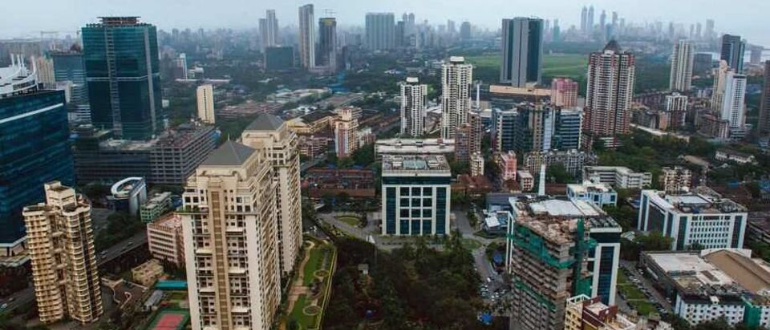
The concept of owning a home in urban India is undergoing a significant transformation. For years, the traditional approach to buying property involved purchasing early, holding onto it for decades, and selling only when circumstances dictated. However, this mindset is giving way to a more fluid and dynamic approach, where homes are being bought, improved, and resold as lifestyle choices that evolve with the changing needs of individuals and families.
A Shift in Perspective
The resale market, once associated with distress sales or speculative flipping, now reflects the changing aspirations of urban Indians. A young professional may purchase a compact apartment near their workplace, only to resell it a few years later to fund a larger home with better amenities after a job change or marriage. Similarly, a growing family may move from a standalone flat to a gated community that offers open spaces and security. Each transaction marks a significant life transition, rather than a mere market play.
The Evolution of Homeownership
This shift in perspective is redefining the concept of homeownership in urban India. Homes are no longer seen as final destinations, but rather as stepping stones that adapt to the changing needs of individuals and families over time. The emotional attachment to a home remains, but the notion of permanence is no longer the defining factor. With careers becoming increasingly non-linear and cities evolving rapidly, the traditional approach to homeownership is giving way to a more flexible and dynamic model.
Flexibility and Practicality
The resale market now offers flexibility and practicality, allowing individuals to realign their homes with their daily realities. Proximity to work has become a critical factor, as traffic and commute times worsen. Amenities such as fitness spaces, green areas, and community facilities are no longer luxuries, but essential expectations. As households change, resale provides a viable option to upgrade without waiting decades. This shift is driven by a desire for balance, efficiency, and better use of time, as individuals seek to reclaim hours in their day.
A New Era for the Real Estate Industry
This evolution poses important questions for the real estate industry, which has traditionally prioritized new launches and transactional deals. A lifestyle-driven resale market demands a different approach, one that focuses on building longer relationships with buyers and understanding their changing needs. Developers can foster loyalty by offering structured resale support, upgrade pathways within projects, or priority access to new developments for existing customers. Brokers, too, must reposition themselves as advisors, understanding clients’ lifestyle needs, commute concerns, and long-term plans, rather than just focusing on negotiation tactics.
The Role of Technology
Technology platforms are likely to play a larger role in this new era, with curated resale listings that emphasize neighborhood character, community amenities, and daily convenience. Such listings can resonate more with buyers than those dominated by square footage and price alone. By recognizing the human story behind every resale, the industry can shift its focus from transactions and returns to understanding the aspirations and needs of urban Indians.
A Reflection of Urban Indian Life
The resale revolution in urban India reflects the changing desires and priorities of its inhabitants. It mirrors the desire for balance, efficiency, and better use of time, as individuals seek to optimize their daily lives. By choosing homes that offer shared spaces, services, and convenience, urban Indians are reclaiming hours in their day and creating a more sustainable work-life balance. As this revolution continues to unfold, it is clear that homes are no longer static assets waiting for appreciation, but evolving companions to people’s lives.