






























Introduction to the Insurrection Act of 1807
The Insurrection Act of 1807 is a rarely used law that allows the President of the United States to deploy active-duty military personnel to perform law enforcement duties within the country. This law has been invoked only a handful of times in American history, and its use is often met with controversy and debate. Recently, President Donald Trump has threatened to invoke the Insurrection Act to deploy the military to Minneapolis, Minnesota, where protests have been ongoing against the presence of US Immigration and Customs Enforcement (ICE) officers.
Background on the Protests in Minneapolis
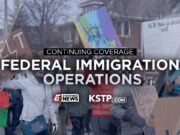
The protests in Minneapolis began after an ICE officer fatally shot a protester, Renee Good, in her car. The situation escalated further when federal law enforcement shot a man in the leg, which officials claimed was an act of self-defense. The protests have been intense, with thousands of people taking to the streets to express their opposition to the large presence of ICE officers in the city. President Trump has responded to the situation by threatening to invoke the Insurrection Act, which would allow him to deploy active-duty military personnel to the city to quell the protests.
What is the Insurrection Act of 1807?
The Insurrection Act of 1807 is a federal law that allows the President to use active-duty military personnel to perform law enforcement duties within the United States. The law states that the President can invoke it if they determine that “unlawful obstructions, combinations, or assemblages, or rebellion” against the government make it “impracticable to enforce” US law “by the ordinary course of judicial proceedings.” Once invoked, troops can be tasked with a range of duties, including quelling civil unrest, enforcing court orders, and arresting and detaining migrants.
Past Use of the Insurrection Act
The Insurrection Act has been invoked a handful of times in American history. One notable example is during the US Civil War, when President Abraham Lincoln used it to deploy troops to the South to quell the rebellion. After the war, President Ulysses S Grant invoked it to combat racist violence by the Ku Klux Klan. In the 20th century, President Dwight D Eisenhower invoked it to escort black students into their school in Little Rock, Arkansas, after the state’s governor refused to comply with a federal desegregation order. More recently, it was used in 1992 to deploy troops to Los Angeles after the acquittal of four white police officers in the beating of Rodney King, a black man.
Why Does Trump Want to Use the Insurrection Act?
President Trump has threatened to invoke the Insurrection Act to deploy the military to Minneapolis to quell the protests against ICE officers. Trump has long been a proponent of cracking down on illegal immigration, and he has vowed to take a tough stance on the issue. By invoking the Insurrection Act, Trump would be able to deploy active-duty military personnel to the city to enforce law and order. However, the use of the Insurrection Act is not without controversy, and it raises concerns about the militarization of law enforcement and the potential for human rights abuses.
Limitations on the Use of the Insurrection Act
While the Insurrection Act gives the President broad powers to deploy the military, there are limitations on its use. The Posse Comitatus Act of 1878 restricts the military from acting as domestic law enforcement, and states typically deploy the National Guard to help maintain order during times of unrest. However, President Trump has expanded his authority by declaring national emergencies, which gives him access to powers and resources that are normally restricted. Trump has used this authority to impose tariffs, take action on immigration, and deploy federal officers, the National Guard, and even active-duty troops to cities across the country.
Potential Consequences of Invoking the Insurrection Act
If President Trump chooses to invoke the Insurrection Act, it remains unclear what legal challenges he might face. The use of the Insurrection Act raises concerns about the potential for human rights abuses, the militarization of law enforcement, and the erosion of civil liberties. Additionally, the use of the Insurrection Act could escalate the situation in Minneapolis, leading to further violence and unrest. As such, it is essential to carefully consider the potential consequences of invoking the Insurrection Act and to explore alternative solutions to addressing the situation in Minneapolis.
Alternative Solutions to the Insurrection Act
Rather than invoking the Insurrection Act, President Trump could consider alternative solutions to addressing the situation in Minneapolis. For example, he could work with local law enforcement and community leaders to develop a comprehensive plan to address the underlying issues driving the protests. This could include increasing funding for community programs, improving police-community relations, and addressing the root causes of immigration and social unrest. By taking a more nuanced and community-based approach, President Trump could potentially reduce tensions and find a more peaceful resolution to the situation in Minneapolis.