
































Introduction to Securitization
The concept of security has become a double-edged sword in contemporary international relations. While countries strive to ensure their own security, they also use it as a tool to control and influence the behavior of others. This process is known as “securitization,” where a particular issue is framed as an existential threat, justifying extraordinary measures that go beyond normal politics. The Islamic Republic of Iran is a prime example of a country that has been subject to intense securitization by other nations, particularly Israel and the United States.
The Securitization Cycle
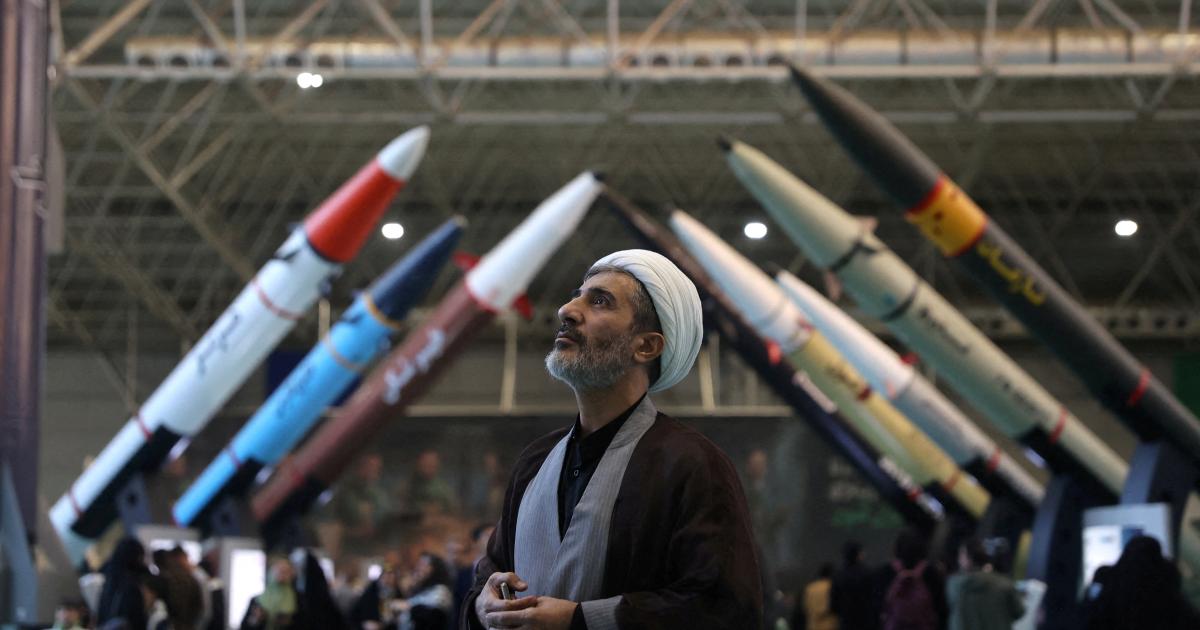
The securitization of Iran has created a vicious cycle, where the country is portrayed as a threat, and in response, it adopts more hostile policies, which in turn reinforces the initial perception. This cycle is fueled by rhetoric, where Iran is labeled as a danger, and then treated as such. The country’s natural reaction is to bolster its defenses, which can be used as evidence to corroborate the initial allegation. This self-fulfilling prophecy has led to a siege mentality in Iran, resulting in tighter social controls and a focus on material defensive power.
The Impact of Securitization on Iran
The securitization of Iran has had far-reaching consequences, including economic hardship, social unrest, and a widening gap between the state and society. The country has been forced to allocate more resources to defense, rather than development and welfare, due to the constant threats from Israel and the United States. The economic warfare waged by the US has led to a significant loss in the value of the Iranian currency, inflation, and corruption. Iran’s greatest asset in resisting foreign aggression has been its people, who have shown remarkable resilience in the face of adversity.
Breaking the Securitization Cycle
To break this cycle, foreign powers must respect Iran’s rights and dignity and stop defaming, threatening, and coercing the country. Iran, on the other hand, can take steps to shore up domestic support through economic reforms and bolster its hand in international negotiations. The country can also recalibrate its emphasis on material defensive power and prioritize cooperation and coordination, particularly at the regional level. Establishing a frank dialogue with the International Atomic Energy Agency (IAEA) and engaging with the US to manage differences can also help to reduce tensions.
A New Approach
Iran can create a broad domestic consensus by establishing a national dialogue among political groups, social factions, and the general population. The government can also improve Iranians’ living conditions by combating corruption, enhancing transparency, and curbing rent-seeking behavior. Prioritizing confidence-building measures centered on improving dialogue with Iran’s neighbors can also help to improve the country’s international reputation. By reframing its narrative from building a “strong Iran” to building a “strong region,” Tehran can help to reduce perceptions of threat and create a more positive image.
Regional and Global Cooperation
Iran can benefit from improving relations with Europe and managing its differences with the US. Coordinating with China and Russia can also help to ensure that Iran is a serious and equal partner in regional and global affairs. Quiet coordination with the US on issues such as counternarcotics and extremism can also help to reduce tensions and create opportunities for cooperation. By addressing mutual concerns and finding common ground, Iran and the US can work towards a more stable and secure region.
Conclusion
The securitization cycle has placed Iran, the region, and NATO countries in a complex and self-reinforcing predicament. Breaking this cycle is a vital necessity for Tehran, and it requires a set of simultaneous, comprehensive, and coordinated strategies. By engaging with Iran as a partner rather than a threat, the US and Europe can advance their own interests and reduce regional and global tensions. Iran’s culture, history, and location make it a natural mediator, and its human capital means it can be a major partner in global technological innovation. By allowing Iran to ascend to its rightful place, the international community can help to yield peace, development, and stability for decades to come.