






















Iran Protests Intensify as Government Crackdown Claims Hundreds of Lives
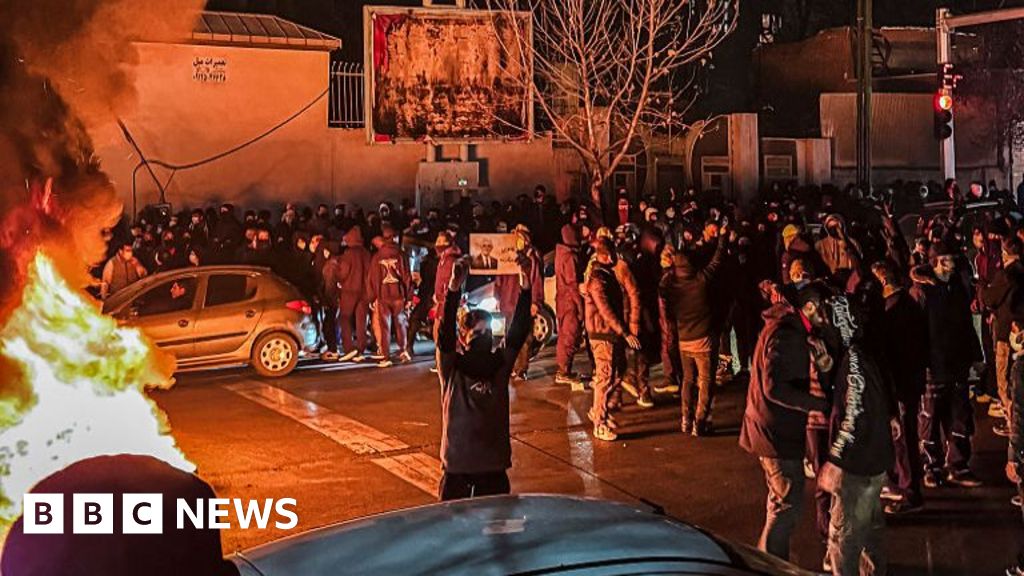
The situation in Iran has taken a devastating turn, with the government’s response to widespread protests resulting in the deaths of hundreds of people. As the demonstrations continue to spread across the country, the international community is growing increasingly concerned about the escalating violence. According to sources and activists, the number of fatalities has risen significantly, with the US-based Human Rights Activist News Agency verifying the deaths of 495 protesters and 48 security personnel nationwide.
A Brutal Crackdown
The Iranian government’s crackdown on protesters has been marked by extreme brutality, with security forces using live ammunition to disperse crowds. Witnesses describe the scenes as “like a war zone,” with streets filled with blood and bodies being taken away in trucks. The BBC has counted around 180 body bags in footage from a morgue near Tehran, while staff at several hospitals have reported being overwhelmed with dead or injured protesters. The sheer scale of the violence has led to accusations of a systematic and deliberate attempt to suppress the protests through fear and intimidation.
International Condemnation and Threats of Retaliation
The international community has condemned the Iranian government’s actions, with the US threatening to strike Iran over the killing of protesters. President Donald Trump has stated that the US “stands ready to help” Iran achieve freedom, although the specifics of what this entails remain unclear. Iran, in turn, has warned that it will retaliate if attacked, with the parliament speaker stating that US and Israeli military and shipping centers in the region would become legitimate targets. The escalating rhetoric has raised concerns about the potential for further conflict and destabilization in the region.
A Complex Web of Alliances and Interests
The situation in Iran is further complicated by the complex web of alliances and interests at play. The Iranian government has blamed the US and Israel for the unrest, claiming that they have trained and supported opposition groups. However, footage authenticated by BBC Persian and BBC Verify confirms that Iran’s security officers have been shooting at gatherings of protesters in several areas. The role of external actors in the conflict is likely to be a key factor in determining the outcome of the protests and the future of the Iranian government.
The Protests: A Call for Freedom and Change
The protests in Iran, which began over soaring inflation, have evolved into a broader call for an end to the clerical rule of Iran’s Supreme Leader, Ayatollah Ali Khamenei. Demonstrators are demanding greater freedoms, including the right to free speech and assembly, as well as an end to the country’s strict Islamic laws. The protests have been marked by a sense of defiance and determination, with protesters taking to the streets despite the risks of violence and arrest.
A New Generation of Activists
The protests in Iran have also highlighted the emergence of a new generation of activists, who are using social media and other digital tools to organize and mobilize support. The internet shutdown imposed by the government has made it difficult for protesters to communicate and coordinate their efforts, but many have found ways to circumvent the restrictions using satellite connections and other technologies. The role of social media in the protests has been significant, with many Iranians using platforms to share information, coordinate actions, and raise awareness about the situation.
International Support and Diplomacy
The international community has been urged to take action in support of the Iranian protesters, with many calling for greater diplomatic pressure on the Iranian government to respect human rights and end the violence. The UK has summoned the Iranian ambassador in London following incidents at the Iranian embassy, while the US has imposed new sanctions on Iranian officials. The role of diplomacy in resolving the crisis will be critical, with many hoping that a peaceful resolution can be found through dialogue and negotiation.
A Long and Difficult Road Ahead
The situation in Iran is likely to remain volatile and unpredictable in the coming days and weeks. The government’s crackdown on protesters has created a sense of fear and mistrust, and it may take time for the wounds to heal. However, the protests have also shown that there is a deep-seated desire for change and reform in Iran, and that many Iranians are willing to risk their lives to demand a better future. As the international community continues to watch the situation unfold, it is clear that the fate of Iran and its people will have significant implications for the region and the world.