


































Understanding the Monkeypox Outbreak: Current Situation and Global Response
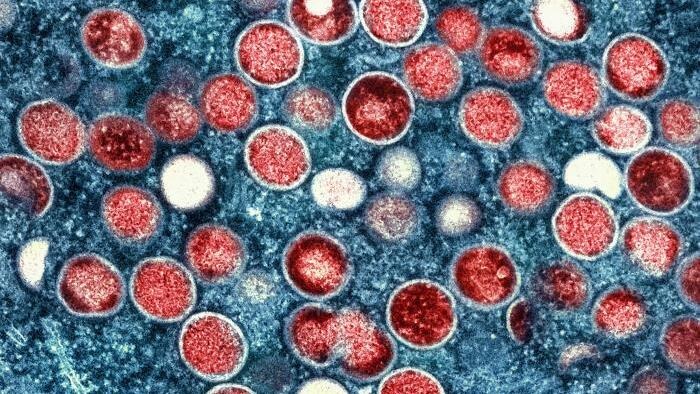
The monkeypox virus, a zoonotic disease that originates from animals, has been a subject of concern globally due to its recent outbreaks. There are two main types of the virus: clade I and clade II, both of which can be spread, treated, and prevented in similar ways. This article aims to provide an overview of the current situation regarding monkeypox, its spread, and the global response to combat the outbreaks.
Monkeypox in the United States
As of the latest reports, there have been 10 cases of clade I monkeypox in the United States since November 2024. These cases were primarily in individuals who had recently traveled to areas associated with the outbreak in Central and Eastern Africa or were linked to people who had traveled from these areas. The risk posed by the clade I monkeypox outbreak to the general population within the United States remains low. However, clade II monkeypox continues to circulate at low levels, indicating the need for continued vigilance and public health measures.
Global Monkeypox Outbreaks
Globally, the situation is more complex, with outbreaks of both clade I and clade II monkeypox reported in various regions. Clade I monkeypox, which originated in Central and Eastern Africa, has spread worldwide, with sustained person-to-person transmission observed in some non-endemic countries, particularly through intimate or sexual contact and within households. Clade II monkeypox has caused over 100,000 cases in 122 countries, with several countries in West Africa experiencing outbreaks since the summer of 2025.
Characteristics of Clade I Monkeypox
Clade I monkeypox has two subclades: clade Ia and clade Ib. Clade Ia has a higher case-fatality rate compared to clade Ib. The primary modes of transmission for clade Ia include contact with infected animals, household transmission, or patient care, whereas clade Ib is mostly spread through intimate or sexual contact, followed by household spread. Understanding these characteristics is crucial for developing effective public health strategies to combat the spread of the disease.
Global Response to Monkeypox
The Centers for Disease Control and Prevention (CDC) and other global health authorities are actively involved in monitoring the situation, providing technical assistance, and supporting affected countries in their response efforts. This includes enhancing disease surveillance, building laboratory capacity, strengthening local health workforce capabilities, and implementing vaccine strategies. The CDC also works closely with state, tribal, local, and territorial public health departments in the United States to provide recommendations for clinical management, diagnosis, and prevention of monkeypox cases.
What the CDC is Doing
The CDC’s response to the monkeypox outbreak is multifaceted, involving both international and domestic efforts. Internationally, the CDC collaborates with partners in affected countries to support disease surveillance, laboratory capacity building, and case investigation. In the United States, the CDC works to increase capacity for early detection of monkeypox, raises awareness among healthcare providers, and provides information and recommendations for the public, especially those traveling to areas with ongoing outbreaks.
CDC Efforts in Africa
In Africa, the CDC has been critical in supporting efforts to stop monkeypox at its source. This includes collaborating with in-country partners on disease surveillance, training field epidemiologists, and providing technical assistance in areas such as laboratory capacity, case management, and vaccine planning. The CDC’s work in Africa is pivotal in understanding the spread of the disease and in developing strategies to prevent further outbreaks.
CDC Efforts in the United States
Domestically, the CDC focuses on preparedness and response efforts, including increasing the capacity for monkeypox testing, improving surveillance systems, and training healthcare workers on infection prevention and control. The CDC also works to ensure that populations most affected by monkeypox have access to the vaccine, emphasizing health equity in its response efforts.
Global Monkeypox Case Data
For those interested in the latest global case data for clade I and clade II monkeypox, the CDC and other global health organizations provide regular updates. These data are crucial for understanding the spread of the disease and for informing public health decisions.
In conclusion, the monkeypox outbreak presents a complex global health challenge that requires a coordinated and informed response. Understanding the current situation, the characteristics of the virus, and the efforts of health organizations like the CDC is essential for combating the spread of the disease and protecting public health. As the situation continues to evolve, staying informed and adhering to public health guidelines will be critical in mitigating the impact of monkeypox outbreaks worldwide.