



























Global Economic Crossroads: The World Economic Forum’s “Spirit of Dialogue”
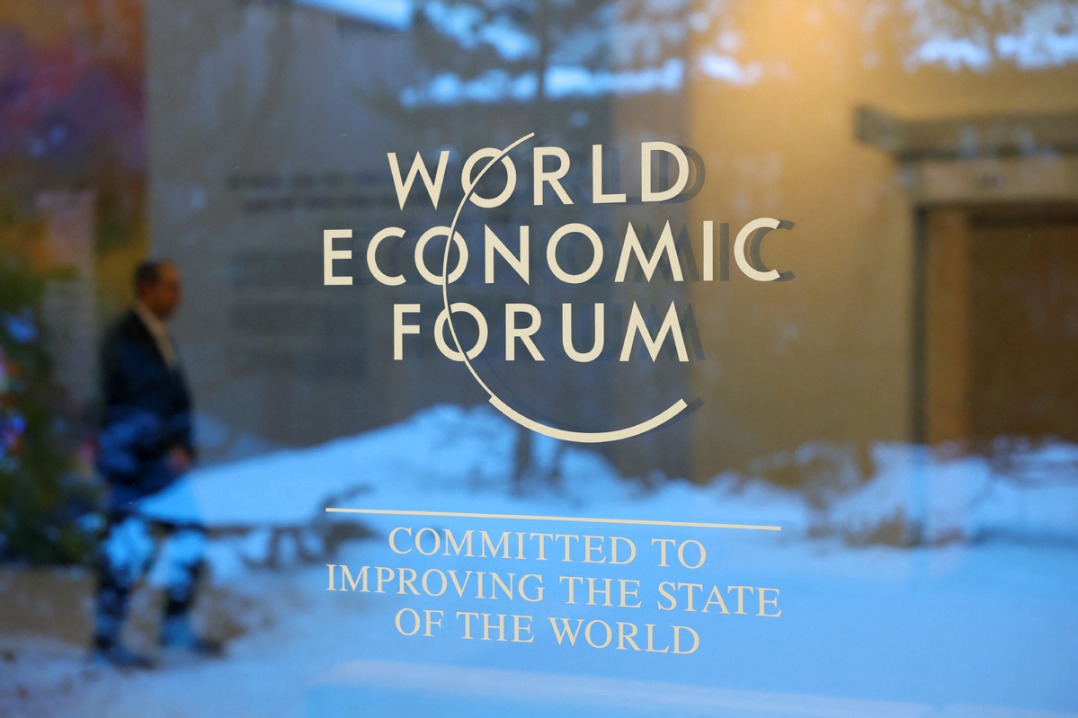
The 56th annual World Economic Forum (WEF) meeting in Davos, Switzerland, has commenced under the theme “A Spirit of Dialogue”, a slogan that aptly captures the urgency and tension of the current global economic landscape. This year’s meeting is particularly significant, as it brings to the forefront two conflicting viewpoints: one advocating unilateralism, protectionism, and a “might makes right” approach, and the other promoting multilateralism, openness, and cooperation.
Conflicting Perspectives: Unilateralism vs. Multilateralism
The meeting provides a platform for US representatives to justify the administration’s coercive use of tariffs and transactional approach to geopolitics, which has been a point of contention among nations. On the other hand, proponents of multilateralism, including European countries, emphasize the importance of cooperation, stable global supply chains, open markets, and multilateral governance. The coexistence of these two perspectives is the primary reason why “dialogue” is the theme of this year’s meeting.
The US Approach: A Shift from Consensus to Coercion
The US administration’s approach reflects a belief that American power, rather than rules or consensus, can define outcomes in both the global economy and international relations. This shift from a consensus-driven approach to a more coercive one has made European countries uneasy, as they have historically benefited from rules-based trade and multilateral global governance. The US administration’s recent threat to impose tariffs on eight European countries over their opposition to its Greenland-grab attempt has shaken Europe’s confidence in their transatlantic ally.
Europe’s Concerns: Erosion of Postwar Cooperation
For Europe, the fear is not simply disagreement with Washington but the erosion of the very foundations of postwar cooperation. The US administration’s actions have led to a decline in global trade, chaos in supply chains, and uncertainty in investment decisions worldwide. According to assessments by the International Monetary Fund, World Bank, and UN agencies, the tariff policies and unilateral trade moves of the US have resulted in the sharpest decline in global trade since 2020.
China’s Message: A Call for Cooperation and Openness
In contrast, China’s message at Davos, delivered by Vice-Premier He Lifeng, offers a strikingly different vision. China is willing to leverage its “superlarge market” to expand imports and promote cooperation, stressing that its development is an opportunity rather than a threat to global economic development. China calls for more dialogue, exchanges, and consensus for cooperation, advocating for a joint effort to build an open world economy, promote inclusive and resilient development, and inject stability into global growth.
A Beacon of Hope: China’s Support for Multilateralism
China’s steadfast support for openness, cooperation, and green development has made tangible contributions to global trade, sustainable development, and global governance. This reality is recognized by many Davos participants and world bodies, including the United Nations. China’s commitment to multilateralism serves as a beacon of hope in a world fraught with uncertainties and struggling to find new drivers of growth.
A Critical Juncture: Choosing Between Unilateralism and Multilateralism
The dialogue unfolding in Davos this week serves as a reminder that the future is still uncertain. The international community has a clear choice to make between unilateralism and multilateralism. The gathering in Davos should demonstrate the potential of cooperation, shared growth, and collective problem-solving. As the world navigates this critical juncture in global transformation, countries must join hands and commit to cooperation to realize a brighter shared future. The choice between unilateralism and multilateralism will have far-reaching implications for the world economy, green development, and global governance, making the “Spirit of Dialogue” at Davos a timely and necessary call to action.