































China’s Cautious Approach to Nvidia’s H200 AI Chips
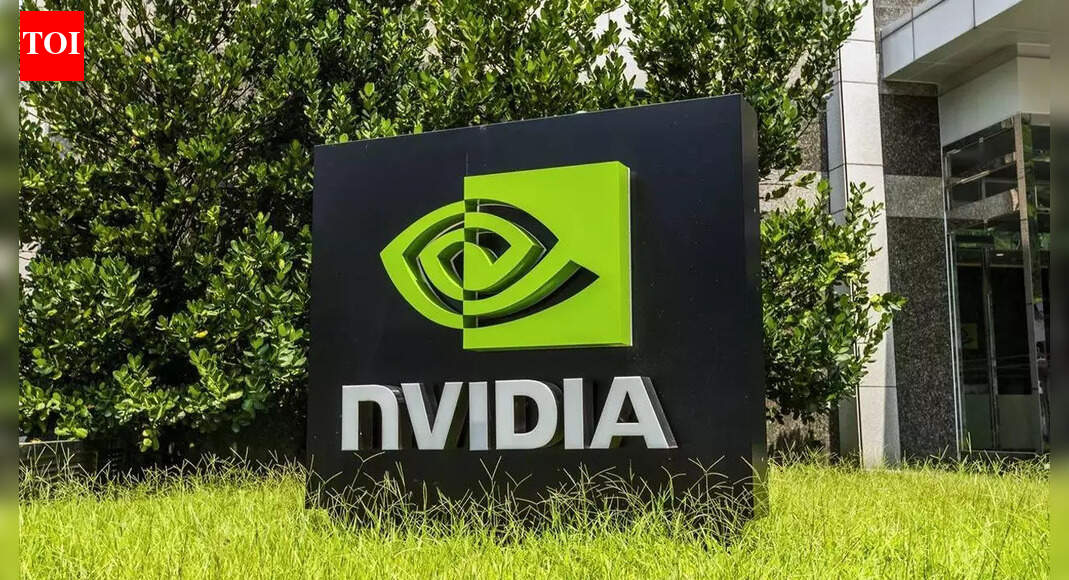
The Chinese government has been taking a cautious stance on the use of Nvidia’s H200 AI chips, a move that highlights the complexities of the ongoing technology rivalry between China and the US. According to recent reports, the Chinese government has set strict conditions for technology companies looking to use these chips, only allowing their purchase under special circumstances, such as for university research. This decision signals that China remains hesitant about fully embracing American chip giant Nvidia, particularly in the realm of artificial intelligence.
Regulatory Uncertainty and Deliberate Vagueness
The directive issued by the Chinese government is characterized as “deliberately vague,” leaving technology companies uncertain about what constitutes “necessary” use of the H200 chips. This ambiguity has sparked confusion among tech firms, which are now navigating a regulatory environment that is both restrictive and unclear. As the Chinese government plans to hold additional meetings with companies to deliver the purchase directive, it remains to be seen whether these sessions will provide any new guidance or clarity on the matter.
The Broader Context of US-China Tech Rivalry
This development is part of a larger narrative of US-China competition in the technology sector, particularly in the field of artificial intelligence. China’s efforts to prioritize domestic companies in its quest to dominate AI have led to a series of moves aimed at reducing dependence on American technology. Recent reports suggest that China has asked some companies to halt their orders for the H200 chips, further emphasizing the country’s cautious approach to Nvidia’s products.
Nvidia’s Strict Payment Requirements and Denials
Nvidia has also been making headlines with its strict advance payment requirements for Chinese companies buying H200 AI chips. While the company initially reportedly demanded full payment upfront, it has since denied these claims, stating that it does not require upfront payment for H200 chips and “would never require customers to pay for products they do not receive.” This denial highlights the complexities and uncertainties surrounding the trade of advanced technologies between US and Chinese companies.
Market Dynamics and Performance Comparisons
Despite the regulatory challenges and uncertainties, Nvidia’s H200 chips remain highly sought after by Chinese technology companies. The chips are priced at around $27,000 each, and orders have reportedly exceeded Nvidia’s inventory of 700,000 units. This demand is driven by the superior performance of Nvidia’s H200 chips in large-scale training of advanced AI models. While Chinese chipmakers like Huawei have developed their own AI processors, such as the Ascend 910C, their performance still lags behind that of Nvidia’s H200.
Implications and Future Prospects
The dynamics at play in the Nvidia-Chinese government standoff have significant implications for the future of the technology sector, both in terms of global competition and the development of artificial intelligence. As China continues to prioritize domestic companies and develop its own technologies, the US and other countries must navigate this shifting landscape to maintain their competitive edge. The outcome of this technology rivalry will shape not only the future of the companies involved but also the broader trajectory of innovation and economic growth in the years to come.