































U.S. Supreme Court Rules in Favor of Police in Anaconda Shooting Case
The U.S. Supreme Court has delivered a unanimous verdict in a case that has significant implications for law enforcement and individual rights. The court ruled that police officers acted reasonably when they entered the home of Trevor Case, an Anaconda man who was shot and wounded by police in 2021, without obtaining a warrant. This decision has sparked a mix of reactions, with some hailing it as a victory for law enforcement and others expressing concerns about the potential erosion of constitutional rights.
Background of the Case
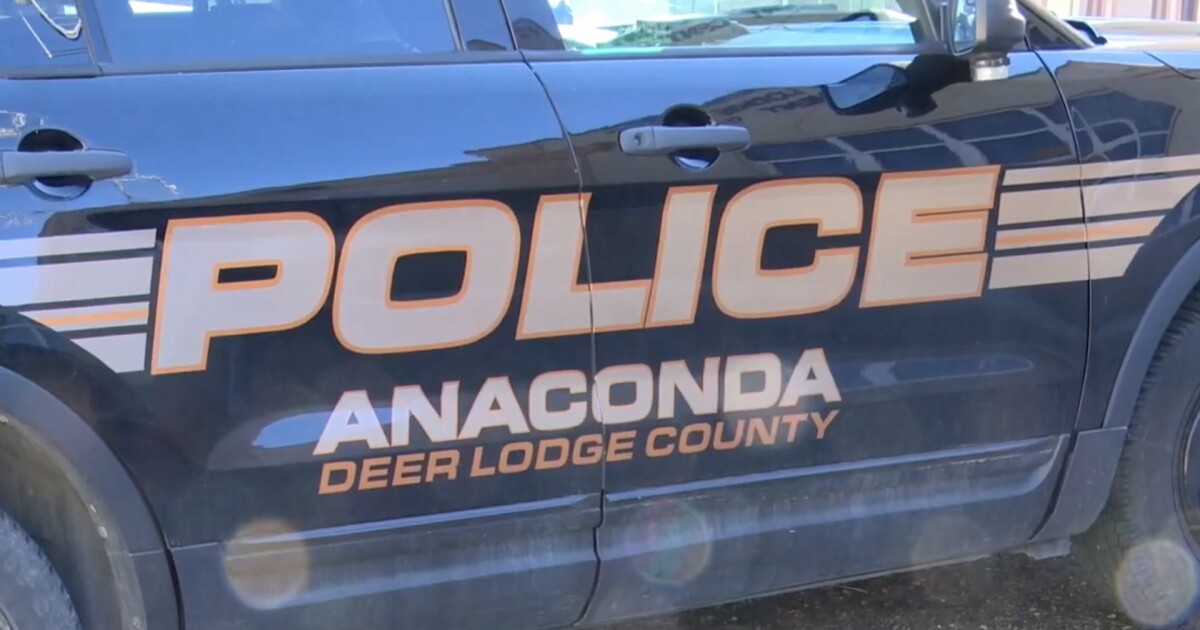
In September 2021, Anaconda-Deer Lodge police received a report that Case was threatening to take his own life. When officers arrived at his home, they did not see him inside and received no response when they called out to him. After waiting for approximately 40 minutes, they entered the house, citing concerns that Case may have already harmed himself or was on the verge of doing so. It was then that they encountered Case, who was hiding in a bedroom closet. An officer shot Case in the abdomen, believing he was about to shoot them with a small black object he was holding. Case was later found to have been holding a handgun, which was discovered in a laundry basket near where he had been standing.
Legal Challenge and Ruling
Case’s attorneys argued that the police had violated his Fourth Amendment rights, which protect against unreasonable searches and seizures. They contended that the officers should have obtained a warrant before entering the house and that their actions created a dangerous situation. The Montana Supreme Court initially ruled in favor of the police, and the U.S. Supreme Court has now upheld this decision. In her opinion, Justice Elena Kagan stated that the probable cause standard, which typically applies to criminal searches, does not apply in situations where officers have an objectively reasonable basis for believing that an occupant is seriously injured or imminently threatened with such injury.
Implications of the Ruling
The Supreme Court’s decision has significant implications for law enforcement and individual rights. On one hand, it provides clarity for police officers who are responding to emergency situations and may need to enter a home without a warrant to prevent harm. Montana Attorney General Austin Knudsen hailed the decision as “a huge win for Montana law enforcement,” and Anaconda-Deer Lodge Police Chief Bill Sather expressed relief that the court had vindicated the actions of his officers. On the other hand, the ruling has raised concerns about the potential for police overreach and the erosion of constitutional rights. Case’s attorneys argued that the decision sets a dangerous precedent, allowing police to enter homes without sufficient justification and potentially creating more danger for individuals in crisis.
Balancing Individual Rights and Public Safety
The case highlights the delicate balance between individual rights and public safety. While the Fourth Amendment is designed to protect individuals from unreasonable searches and seizures, law enforcement officers must also be able to respond effectively to emergency situations. The Supreme Court’s decision suggests that, in situations where there is a reasonable basis for believing that an individual is in imminent danger, officers may be justified in entering a home without a warrant. However, this ruling also underscores the need for careful consideration and nuance in applying this standard, to ensure that individual rights are protected while also allowing police to perform their duties effectively.
Conclusion
The U.S. Supreme Court’s decision in the Anaconda shooting case has significant implications for law enforcement, individual rights, and public safety. While the ruling provides clarity for police officers responding to emergency situations, it also raises important questions about the balance between individual rights and public safety. As the country continues to grapple with issues of policing, mental health, and individual rights, this decision will likely be closely watched and debated by scholars, policymakers, and the general public. Ultimately, the ruling serves as a reminder of the complexities and challenges involved in balancing competing interests and ensuring that justice is served.