































Stagnating Labor Market: The Impact of Tariffs and the Supreme Court’s Pending Decision
The labor market in the United States is showing signs of stagnation, and according to Mark Zandi, chief economist at Moody’s Analytics, President Donald Trump’s tariffs are partly to blame. Zandi’s warning comes on the heels of the latest monthly jobs report, which revealed a modest increase of 50,000 jobs in December, with the unemployment rate edging down to 4.4%. However, the overall picture for 2025 is less optimistic, with employers adding only 584,000 jobs, a significant decline from the 2 million jobs added in 2024.
The Tariff Effect
Zandi attributes the lack of job growth since April, when Trump introduced his “Liberation Day” tariffs, to the direct and indirect effects of these tariffs on various industries. The manufacturing sector, in particular, has been severely impacted, with 70,000 jobs lost since April. Other trade-exposed industries, such as mining, logging, and warehousing, have also suffered significant losses. The uncertainty surrounding the tariffs has also led to a decline in hiring across most businesses, with the exception of the health care and social services sectors, which continue to hire steadily.
The Supreme Court’s Role in Shaping the Labor Market
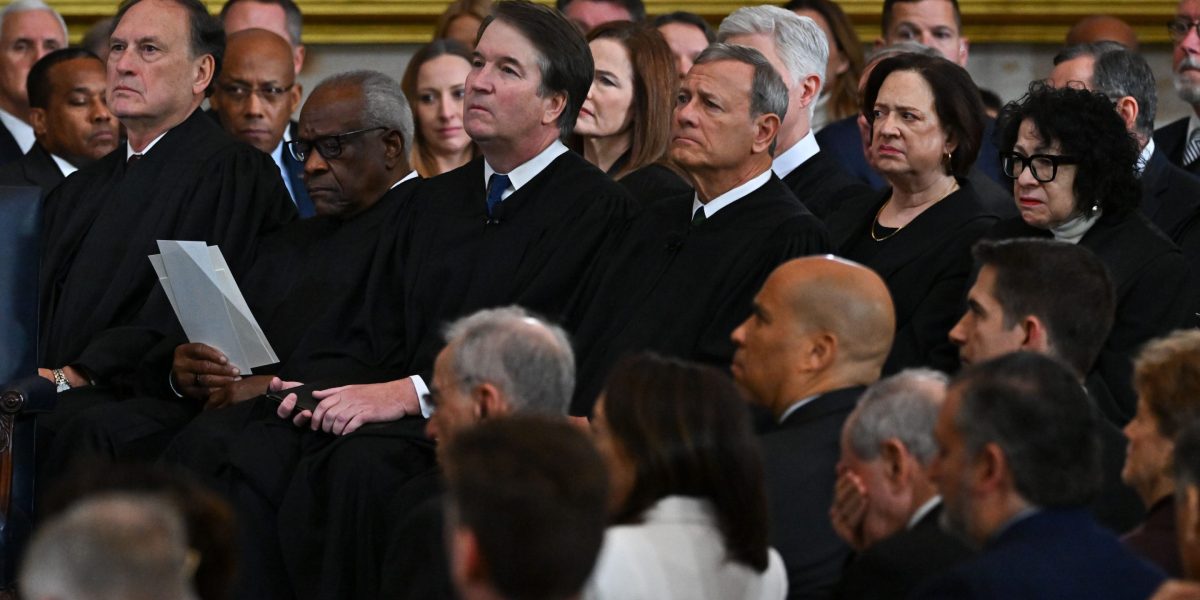
The Supreme Court is expected to rule soon on the administration’s use of the International Emergency Economic Powers Act (IEEPA) to impose tariffs. If the court declares the reciprocal tariffs unlawful, it could provide relief to the labor market and help revive job growth. Zandi believes that this would be the fastest way to boost the job market, as it would allow lawmakers to move away from the current tariff regime. However, even if the court rules against Trump, it would not necessarily mark the end of his tariff regime, as other levies are based on separate laws and are not under consideration by the high court.
Alternative Tariff Options
While administration officials have expressed confidence in their ability to enact tariffs through alternative means, Trump may not immediately pursue new tariffs. The affordability crisis has become a pressing concern for lawmakers, and Trump has already rolled back some duties on essential items like coffee and pasta. Additionally, he has delayed tariffs on furniture, kitchen cabinets, and vanities. This shift in approach may indicate a willingness to reconsider the tariff strategy and its impact on the labor market.
Broader Implications and Future Prospects
The stagnating labor market and the ongoing trade war have significant implications for the US economy. The decline in job growth and the loss of jobs in key industries could have long-term effects on economic stability and growth. The Supreme Court’s decision on the IEEPA tariffs will be a crucial factor in determining the future of the labor market. If the court rules against Trump, it could pave the way for a more nuanced approach to trade policy, one that balances the need to protect domestic industries with the need to promote economic growth and job creation.
Expert Insights and Balanced Perspectives
While Zandi’s analysis highlights the negative impact of tariffs on the labor market, other experts argue that the tariffs have also had positive effects, such as protecting domestic industries and promoting fair trade practices. A balanced approach to trade policy, one that takes into account both the benefits and drawbacks of tariffs, is essential for promoting economic growth and job creation. As the Supreme Court prepares to rule on the IEEPA tariffs, it is crucial to consider the broader implications of the decision and the potential impact on the labor market, the economy, and the country as a whole.