































Understanding the Impact of Tariffs on Global Trade
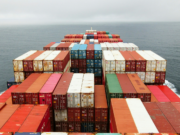
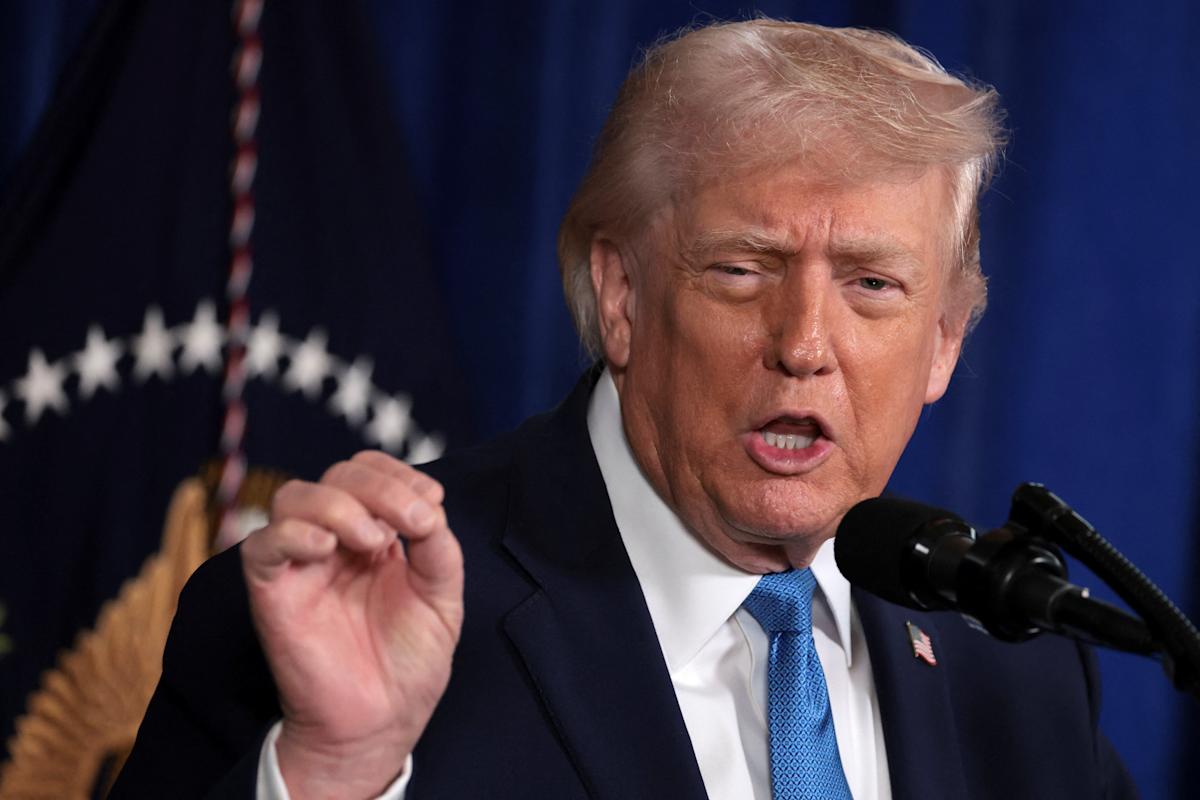
The recent threats of tariffs by President Trump on various countries, including Canada and European nations, have sent shockwaves throughout the global trade community. These tariffs, which can be as high as 100% in some cases, have the potential to significantly impact international trade and the global economy.
What are Tariffs and How Do They Work?
Tariffs are taxes imposed by a country on goods imported from other countries. They can be used to protect domestic industries, raise revenue, or as a tool for negotiating trade agreements. However, tariffs can also increase the cost of goods for consumers, lead to trade wars, and have negative effects on the economy.
The Recent Tariff Threats: Canada and the European Union
President Trump’s recent tariff threats against Canada and the European Union have been making headlines. The tariffs, which are scheduled to take effect on February 1, are a result of disagreements over trade agreements and the pursuit of Greenland. The European Union has responded by freezing the approval of a US trade deal, and Canada has expressed concerns about the impact of the tariffs on its economy.
The Potential Consequences of Tariffs
The consequences of tariffs can be far-reaching and have significant impacts on various industries and economies. Some of the potential consequences include:
* Increased costs for consumers
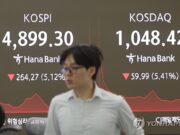
* Decreased trade and economic growth
* Job losses and unemployment
* Trade wars and retaliatory measures
* Negative impacts on the global economy
Real-Life Examples: Companies Affected by Tariffs
Several companies have already been affected by the tariffs, including Novartis, which expects to be shielded from tariffs by mid-2026 due to its agreement with the US. Amazon’s CEO has also stated that tariffs are starting to bump up product prices. These examples illustrate the real-life impacts of tariffs on businesses and consumers.
Expert Opinions: What Do the Experts Say?
Experts, including JPMorgan CEO Jamie Dimon, have expressed concerns about the use of tariffs. Dimon stated that he doesn’t think tariffs are a good idea, but acknowledged that there may be times when they are necessary. Other experts, such as ECB’s Lagarde, have downplayed the impact of tariffs on inflation.
Navigating the Complex World of Tariffs: Practical Tips
For individuals and businesses looking to navigate the complex world of tariffs, here are some practical tips:
* Stay informed about trade agreements and tariff changes
* Diversify your investments and supply chains
* Consider the potential impacts of tariffs on your business or industry
* Look for opportunities to mitigate the effects of tariffs, such as finding alternative suppliers or markets
Conclusion: The Future of Global Trade
The future of global trade is uncertain, and the use of tariffs as a tool for negotiating trade agreements is a complex issue. As the world navigates these challenges, it’s essential to stay informed, be aware of the potential consequences, and look for opportunities to mitigate the effects of tariffs. By working together and finding ways to promote free and fair trade, we can build a stronger, more resilient global economy.