






























The Supreme Court’s Upcoming Ruling on Trump’s Emergency Tariff Regime: A High-Stakes Battle
The United States is bracing itself for a landmark Supreme Court decision that could have far-reaching implications for the country’s trade policy, public finances, and the balance of power between the President and Congress. At the heart of the matter is President Donald Trump’s use of emergency powers to impose tariffs on imports from over 100 countries, a move that has sparked a heated debate about the limits of presidential authority and the potential consequences for taxpayers and the economy.
A Complex Legal Battle with Real-World Consequences
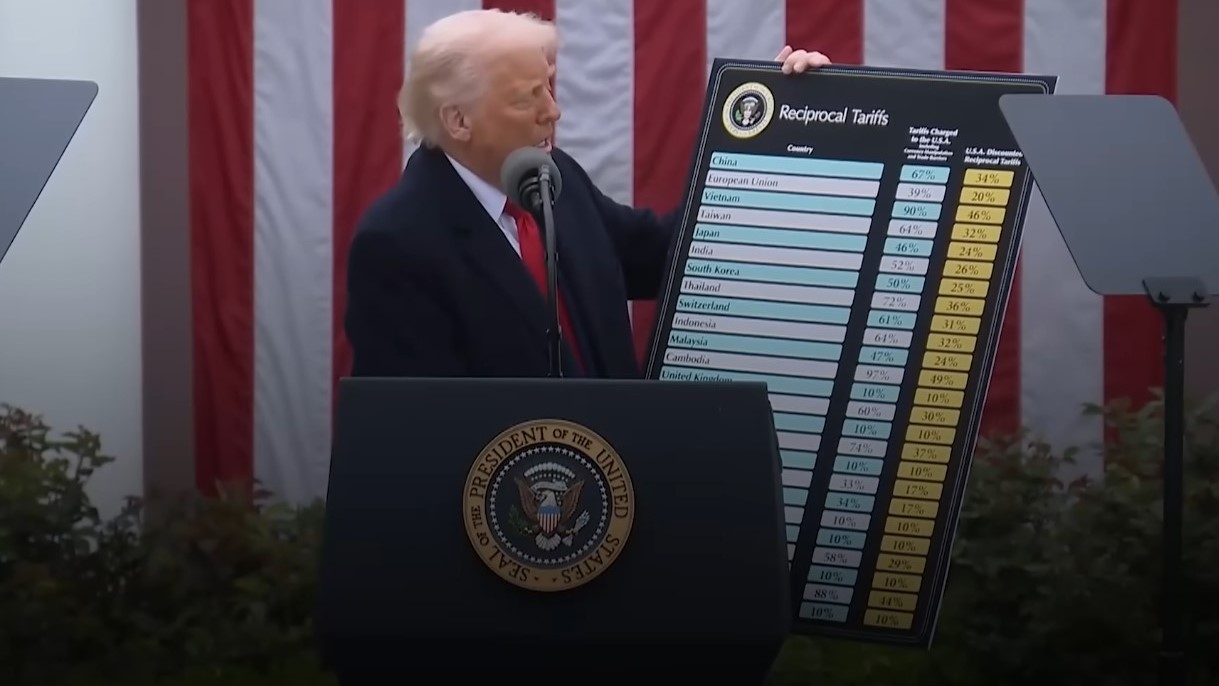
The case centers on the International Emergency Economic Powers Act (IEEPA), a 1977 law that grants the President broad authority to respond to economic emergencies. Trump has used this law to impose tariffs on approximately $133 billion worth of goods, arguing that the measures are necessary to protect American industries and national security. However, critics contend that these actions exceed presidential authority and effectively function as taxes that should require congressional approval. If the Supreme Court rules against Trump, the government may be forced to refund billions of dollars in tariffs already collected, a move that could have significant implications for public finances and the economy.
The Potential Financial Fallout
The potential financial consequences of a ruling against Trump are substantial. The government may be obligated to return hundreds of billions of dollars in tariffs, a sum that could be difficult to absorb, even if spread out over several weeks or months. Treasury Secretary Scott Bessent has sought to reassure investors that the department has sufficient cash reserves to manage any refunds, but critics warn that even staggered repayments could strain the public purse, complicate budget planning, and unsettle investors. Furthermore, the uncertainty surrounding potential refunds could destabilize financial markets, as investors reassess the outlook for U.S. government bonds and corporate profit margins.
The Impact on Taxpayers and the Economy
The potential consequences of a ruling against Trump extend beyond the financial realm, with significant implications for taxpayers and the broader economy. Huge tariff refunds could squeeze the same pot of money that funds daily government operations, leaving less room for spending on infrastructure, education, and social programs without either cutting elsewhere or borrowing more. Additionally, a ruling against the tariffs could force firms to change their cost base again, affecting consumer prices and hiring decisions. This could have a ripple effect throughout the economy, potentially destabilizing markets and undermining business confidence.
A Constitutional Fight Over Trade Policy
At the heart of the dispute is a constitutional struggle over who controls trade policy and the tools that shape it. Critics argue that Congress holds the authority to set tax and tariff policy, and that Trump’s use of emergency statutes to rewrite trade conditions sidelines elected lawmakers. Supporters counter that emergency tariff powers provide Washington with leverage in negotiations and a quick way to shield domestic industries from unfair foreign practices. The Supreme Court’s decision will ultimately determine the balance of power between the President and Congress on trade policy, with significant implications for the future of U.S. trade relations.
What Happens Next
The Supreme Court is expected to rule on the case soon, although a public date has not been set. If the court backs Trump’s reading of IEEPA, the current tariff structure will remain in place, and the threat of refunds will recede. However, Congress could still move to rewrite the law, potentially limiting the President’s authority to impose tariffs in the future. If the court rules against Trump, officials will need to design a mechanism to unwind years of collections, decide which importers qualify for repayments, and manage the fiscal and market fallout. Either way, the decision will have far-reaching consequences for U.S. trade policy, the balance of power between the President and Congress, and the economy as a whole.