
































Understanding the Impact of Tariffs on Global Trade and Your Finances
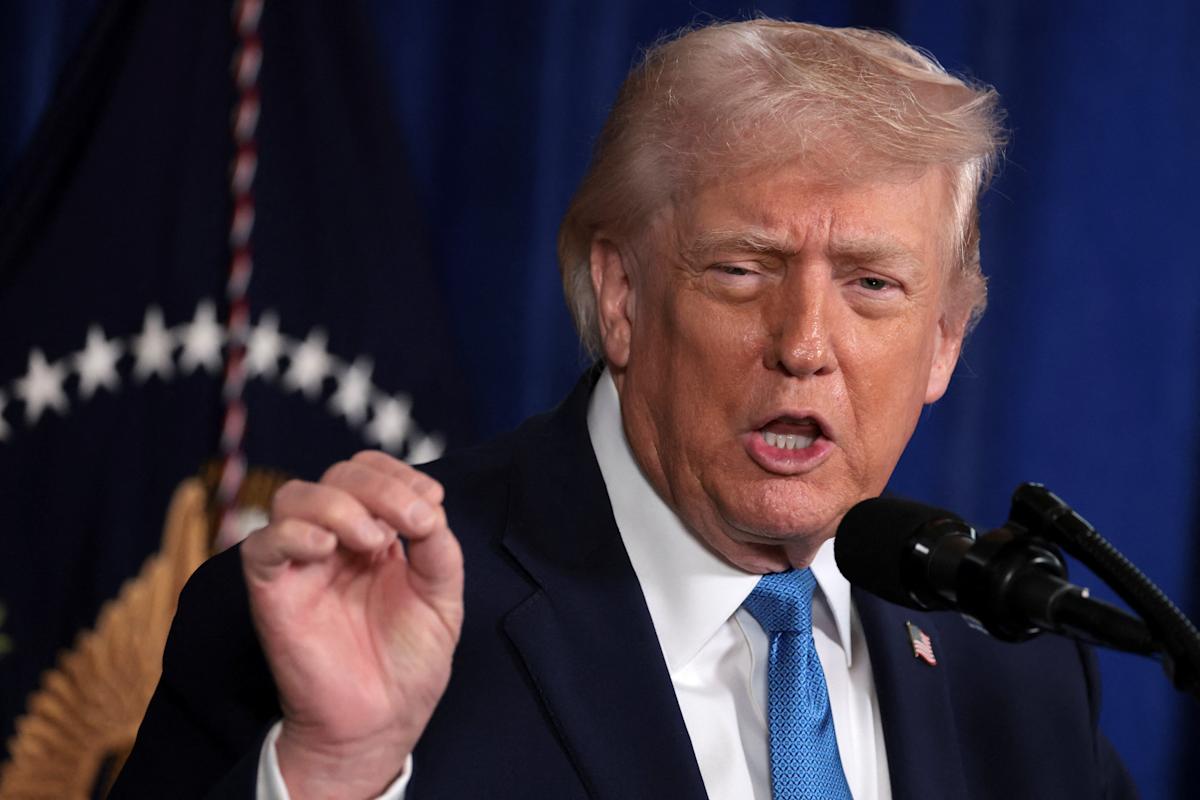
The recent announcement by President Trump to impose new tariffs on European countries has sent shockwaves across the globe. The tariffs, which would affect eight European countries, including Denmark, Norway, Sweden, France, Germany, the UK, the Netherlands, and Finland, have been met with fierce reaction and criticism. But what do these tariffs mean for you and your finances?
Tariffs 101: What You Need to Know
Tariffs are taxes imposed on goods imported from other countries. In this case, the US would implement a 10% tariff on goods from the affected European countries, which would increase to 25% if no agreement is reached by June 1. This means that American consumers could face higher prices on imported goods, which could impact their purchasing power and budget.
The Reason Behind the Tariffs: A Look at the US Interest in Greenland
The tariffs are linked to the US interest in purchasing Greenland, a self-governing territory within the Kingdom of Denmark. President Trump has stated that the US needs to acquire Greenland to enhance national security, citing concerns about China and Russia’s interest in the region. However, the Danish government has made it clear that Greenland is not for sale.
Global Reaction: A United Front Against Tariff Threats
The European countries affected by the tariffs have issued a joint statement condemning the move, stating that “tariff threats undermine transatlantic relations and risk a dangerous downward spiral.” The EU members are planning to meet to discuss possible countermeasures, and individual countries have expressed their disapproval. For example, Danish Prime Minister Mette Frederiksen has stated that “Europe will not be blackmailed,” a view echoed by other European leaders.
What This Means for Your Finances: Potential Impact on Your Wallet
The tariffs could have a ripple effect on the global economy, leading to higher prices, reduced trade, and potential job losses. As a consumer, you may face higher prices on imported goods, which could impact your budget and purchasing power. It’s essential to be aware of these potential changes and plan accordingly.
Tips for Navigating the Tariff Landscape
To minimize the impact of tariffs on your finances, consider the following tips:
* Diversify your investments: Spread your investments across different asset classes and regions to reduce your exposure to trade tensions.
* Review your budget: Adjust your budget to account for potential price increases on imported goods.
* Support local businesses: Consider buying from local businesses to reduce your reliance on imported goods.
* Stay informed: Keep up-to-date with the latest developments on tariffs and trade agreements to make informed decisions about your finances.
The Bigger Picture: The Future of Global Trade and Cooperation
The tariffs imposed by President Trump are a symptom of a broader issue – the rise of protectionism and trade tensions. As the global economy becomes increasingly interconnected, it’s essential to promote cooperation and understanding between nations. The EU’s united front against tariff threats is a step in the right direction, but more needs to be done to address the underlying issues driving trade tensions.
A Call to Action: Promoting Global Cooperation and Understanding
As individuals, we can play a role in promoting global cooperation and understanding. By staying informed, supporting local businesses, and advocating for fair trade practices, we can contribute to a more stable and prosperous global economy. It’s time to move beyond tariff threats and work towards a more collaborative and mutually beneficial approach to global trade.