































Introduction to 2026 Travel Trends
As we step into 2026, travelers are embracing a new wave of intentional and meaningful getaways. Gone are the days of rushed, jam-packed itineraries; instead, people are opting for slower, more purposeful trips that foster genuine human connection, personal growth, and a deeper understanding of the world around them. According to Christal Bemont, CEO of Direct Travel, “In 2026, travel won’t just be about getting from A to B — it will be about understanding why you’re going, who you’re engaging, and how the journey itself adds meaning.”
Nostalgia Travel
One of the biggest trends of 2026 is nostalgia travel, where travelers revisit favorite childhood destinations or recreate trips their parents or grandparents took. This phenomenon is driven by a desire for calmer, easier days, and a longing for simpler times. As Jenn Lee, president of Travel Planners International, notes, “With more Gen Z playing their parents’ CDs and watching shows from the ’90s, there is a real desire for calmer, easier days.” Travelers of all ages are booking trips inspired by fond memories, from revisiting national parks to returning to the same destination year after year.
Revisiting Childhood Memories
For many, nostalgia travel is about reliving fond memories and recapturing the magic of their childhood. This can involve visiting iconic amusement parks, attending sporting events, or taking in a concert featuring musical acts that appeal across age groups. As Lee explains, “As boomers age and pass, their children are going through old photos and belongings and want to revisit places and experiences they had as a family.”
Ancestry Travel
Another significant trend in 2026 is ancestry travel, also known as heritage tourism. Travelers are becoming increasingly interested in retracing their roots and exploring their ancestral heritage. Bryan Lewis, founder and CEO of Tenon Tours, notes, “A growing number of Americans are heading to Europe not for landmarks, but for lineage.” This type of identity-driven travel involves hiring local guides, historians, and cultural experts to provide deeper context and a more meaningful connection to the places being visited.
Discovering Heritage
Ancestry travel is about stepping into a story that began long before the traveler arrived, one they’ve always been a part of but are only now getting the chance to explore. As Lewis adds, “In a fragmented digital era, travelers crave identity and belonging more than luxury. These deeply personal trips are becoming the most meaningful souvenirs money can’t buy.”
Glowmad Travel
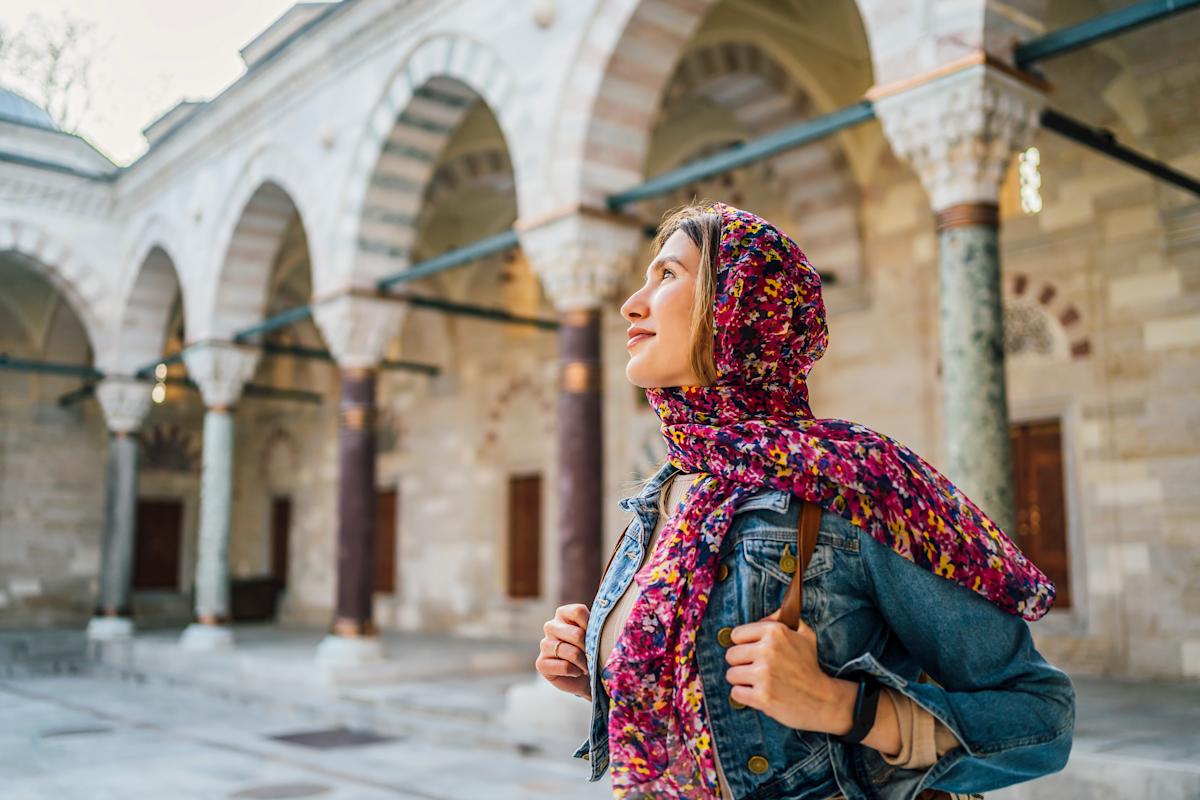
The “glowmad” trend combines travel with self-care, where travelers prioritize beauty treatments, wellness, and relaxation. Tashieka Brewer, founder and travel adviser at Pink Girls Run The World, notes that destinations like South Korea and Turkey are popular for their K-beauty products, rituals, and wellness practices. As Brewer explains, “This trend lends itself to some natural destinations, including visiting places like South Korea and shopping for and experiencing K-beauty products and rituals.”
Prioritizing Self-Care
Glowmad travel is about taking care of oneself while exploring the world. This can involve visiting thermal baths, spas, or taking part in wellness retreats. As Brewer notes, “Turkey is another popular destination for medical and other wellness practices, such as hamams — aka Turkish baths — along with Hungary for the thermal baths.”
Pop Culting
Pop culting, also known as set-jetting, involves traveling to destinations featured in favorite TV shows, movies, or books. This trend is driven by a desire for immersive experiences and a deeper connection to the stories that inspire us. Dan Batchelor, senior vice president of global corporate marketing and communications for Amadeus, notes, “From the beloved Central Perk coffee shop from Friends to Taylor Swift’s The Life of a Showgirl pop-up that drew thousands to New York City, pop culture travel pioneers have proven no distance is too vast.”
Immersive Experiences
Pop culting is about exploring the worlds showcased in favorite stories, from visiting iconic filming locations to attending themed events and activities. As Batchelor explains, “IP-led experiences are becoming powerful engines of belonging and engagement.”
Whycations
Whycations involve traveling with a clear purpose or intention, whether it’s to learn a new skill, pursue a passion, or simply relax and recharge. Jess Petitt, senior vice president for Hilton Hotels, notes, “Travelers are prioritizing emotional resonance when planning trips, whether for reconnection, personal growth or mental well-being.” Whycations are about identifying the “why” behind a trip and creating a journey that aligns with one’s values and goals.
Intentional Travel
Whycations are about being intentional with travel, whether that means taking a cooking class, attending a wellness retreat, or simply spending time in nature. As Petitt explains, “Travelers are not simply aiming to check off yet another destination on the old bucket list or scheduling hyper-busy itineraries.”
Culinary-First Travel
Culinary-first travel involves prioritizing food and drink experiences when planning a trip. Paul Kiritsy, CEO of Shore Excursions Group, notes, “Over 60% of travelers say food influences where they go, what they book, and yes, what they post.” This trend is driven by a desire for authentic, local experiences and a deeper connection to the cultures being visited.
Food as Culture
Culinary-first travel is about exploring the local cuisine, meeting the makers, and learning about the origins of the food. As Kiritsy explains, “Travelers aren’t just looking to try regional cuisine — they want to roll up their sleeves, learn the origins, meet the makers and bring those flavors home.”
Climate-Adaptive Trip Planning
Climate-adaptive trip planning involves choosing destinations and travel dates based on seasonal stability and predictable conditions, while avoiding extreme-weather windows. Christine New, owner and chief adventure architect with Vacation Planners of South-Central Florida, notes, “Travelers want reliability, and they’re increasingly using climate data, long-range forecasts and adviser expertise to select destinations that offer comfort, safety and fewer disruptions.”
Sustainable Travel
Climate-adaptive trip planning is about being mindful of the impact of travel on the environment and choosing destinations that prioritize sustainability. As New explains, “Costa Rica’s long-standing commitment to conservation and use of renewable energy has created a far more stable experience overall for visitors.”
Predictions for the Next Decade
As we look to the future, it’s clear that technology will continue to shape the travel industry. Kyle Maltz, chief operating officer and partner at Dollar Flight Club, notes, “The travel experience will be greatly affected by tech over the coming years.” While some travelers will use technology to enhance their experiences, others will seek to escape the digital world and connect with nature and local cultures.
The Future of Travel
The next decade of travel will be marked by a growing influence of technology, sustainability, and a desire for meaningful, immersive experiences. As Maltz predicts, “The whole experience will be impacted by AI — from trip planning and bookings to detailed tours from real-time, AI vision-assisted travel guides.”