































Supreme Court to Hear Arguments on Trump’s Bid to Remove Federal Reserve Governor
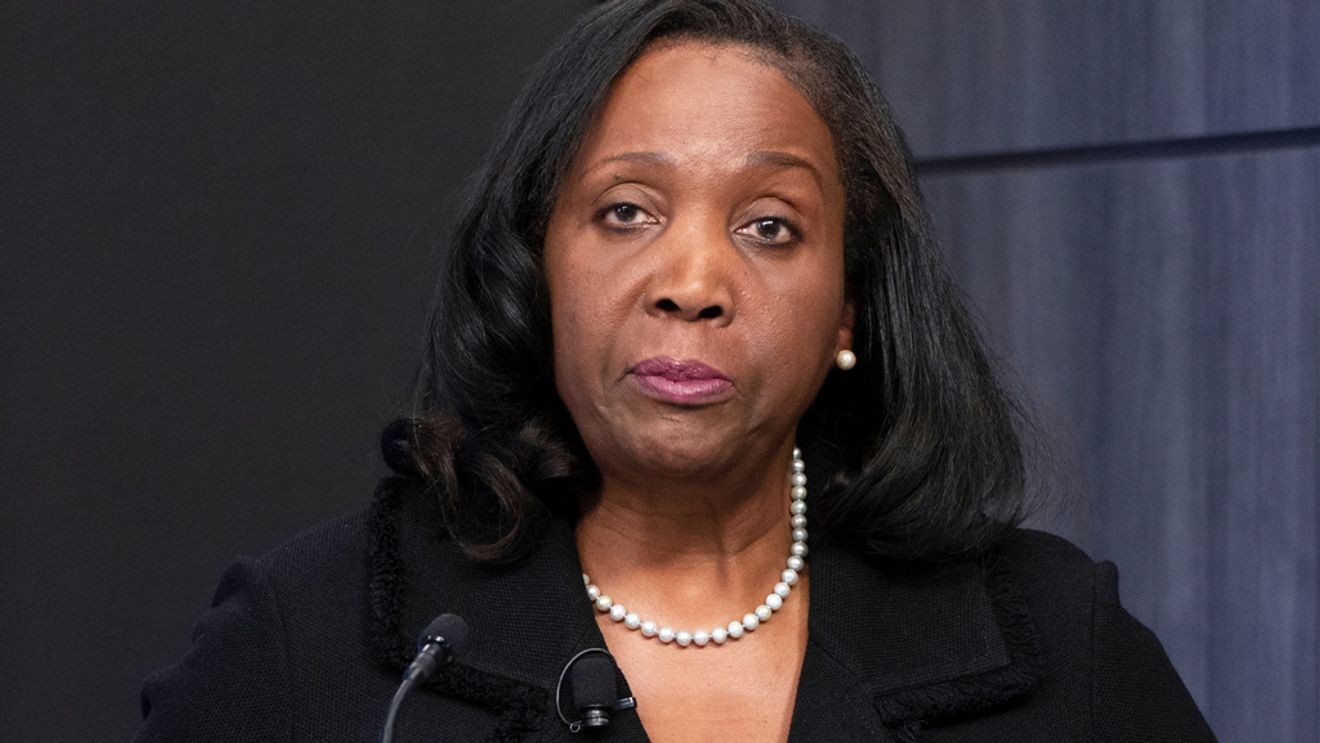
The Supreme Court is set to hear oral arguments on President Donald Trump’s effort to remove Federal Reserve Governor Lisa Cook from her position over allegations of mortgage fraud. This move is part of a broader and unprecedented battle between the Trump administration and the Federal Reserve, particularly concerning interest rates. Cook, who was appointed by President Joe Biden, has expressed her intention to remain in her role, stating she will not be “bullied” by Trump.
Background on the Case
In October, the Supreme Court allowed Cook to continue in her position, contrary to the Trump administration’s wishes. This decision came after the administration attempted to remove her from the Central Bank. Cook’s lawyer, Abbe Lowell, has reaffirmed her commitment to her duties, stating she will “continue to carry out her sworn duties as a Senate-confirmed Board Governor.” The core of the allegations against Cook involves her description of an Atlanta property in loan documents. According to documents obtained by The Associated Press, Cook initially specified the property as a “vacation home” in a loan estimate from May 2021. In a subsequent form related to security clearance for the property, she described it as a “2nd home.” These descriptions appear to contradict the administration’s claims of mortgage fraud, as they suggest consistency in her characterization of the property’s use.
Implications and Reactions
The development is significant, especially given the context of other investigations involving the Federal Reserve. Federal Reserve Chair Jerome Powell is expected to attend the arguments, underscoring the gravity of the situation. Powell’s personal involvement in another controversy—the renovation of the Federal Reserve’s D.C. headquarters—has also drawn attention. The Justice Department has launched an investigation into this project, alleging that Powell provided false testimony to Congress regarding the renovation costs, which have ballooned from approximately $1.9 billion to at least $2.5 billion. The Federal Reserve attributes the cost increase to factors like materials, labor, and unexpected complications such as asbestos. However, critics, including President Trump, have labeled the project a misuse of funds.
Political and Legal Considerations
Senate Republican Leader John Thune has cautioned that the DOJ’s investigation into the Federal Reserve must be “serious” and that the agency should remain “free from politics.” This statement reflects the political tensions surrounding the Federal Reserve and its operations. U.S. Attorney Jeanine Pirro, leading the investigation, emphasized that her office makes decisions “based on the merits, nothing more and nothing less,” indicating a commitment to impartiality. The investigation and the legal proceedings against Governor Cook highlight the complex interplay between political influence, legal accountability, and the independence of institutions like the Federal Reserve.
Future Implications and Analysis
The outcome of the Supreme Court hearing and the ongoing investigations will have significant implications for the Federal Reserve’s independence and its ability to set monetary policy without undue political interference. The battle between the Trump administration and the Federal Reserve reflects deeper issues regarding the control of economic policy and the limits of executive power. Historically, the Federal Reserve has been insulated from direct political control to ensure its decisions are based on economic considerations rather than political expediency. The current situation tests this independence and raises questions about the future of monetary policy and its governance.
Expert Opinions and Potential Outcomes
Experts in constitutional law and economics are watching the case closely, as it may set a precedent for how federal officials can be removed and the extent to which the executive branch can influence independent agencies. Some argue that the administration’s actions could undermine the stability of the financial system by introducing political volatility into monetary policy decisions. Others see the move as a necessary check on the power of unelected officials. The potential outcomes range from a affirmation of the president’s authority to remove governors without cause to a limitation on this power, potentially safeguarding the Fed’s independence.
In conclusion, the Supreme Court’s decision on President Trump’s bid to remove Federal Reserve Governor Lisa Cook, coupled with the investigation into Federal Reserve Chair Jerome Powell, marks a critical moment in the relationship between the executive branch and independent agencies. The implications of these events will be far-reaching, influencing not only the governance of the Federal Reserve but also the broader landscape of economic policy and political accountability in the United States.