

































Introduction to the Tariff Dispute
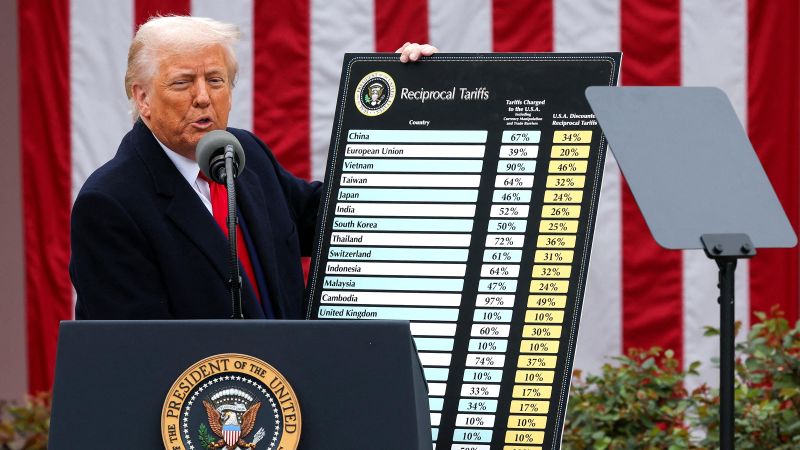
The Supreme Court’s decision to hear a case regarding President Donald Trump’s billion-dollar tariffs on foreign goods has been highly anticipated, with the administration emphasizing the urgency of the matter. The case revolves around the question of whether the president has the authority to impose tariffs without congressional approval. The Court’s ruling could have significant implications for the economy, trade relations, and the balance of power between the executive and legislative branches.
Background and Context
The tariffs, imposed by Trump under the 1977 International Emergency Economic Powers Act (IEEPA), have generated tens of billions of dollars in revenue for the US Treasury each month. However, the move has been met with opposition from various groups, including small US businesses and foreign nations. The Supreme Court’s decision to hear the case has been seen as a crucial step in resolving the dispute, with the administration warning of potential economic disruption if the tariffs are struck down.
The Supreme Court’s Deliberation Process
The Supreme Court has begun its recess, with the next scheduled session set for February 20. While it is possible that the Court could interrupt its recess to issue a ruling, such a move would be highly unusual. Lawyers involved in the case have advised clients to be patient, noting that the Court’s deliberation process can be lengthy and complex.
Oral Arguments and Justice’s Positions
During the oral arguments on November 5, the justices appeared conflicted over the president’s authority to impose tariffs. Justices Amy Coney Barrett, John Roberts, and Neil Gorsuch seemed most uncertain, while the other six justices fell into two clear camps: those inclined towards Trump’s assertion of tariff authority (Justices Clarence Thomas, Samuel Alito, and Brett Kavanaugh) and those opposed to it (Justices Sonia Sotomayor, Elena Kagan, and Ketanji Brown Jackson).
Implications and Potential Outcomes
The Court’s ruling could have significant implications for the economy, trade relations, and the balance of power between the executive and legislative branches. If the Court upholds the tariffs, it could embolden the president to take further unilateral action on trade policy. On the other hand, if the Court strikes down the tariffs, it could limit the president’s ability to impose tariffs without congressional approval.
Economic Impact and Refund Process
The potential difficulty of refunds for the tariffs has been a concern for some justices. With the total revenue from the tariffs estimated to reach $1 trillion by June, the process of refunding that amount could be complex and cumbersome. Justice Barrett noted that the reimbursement process could be a “mess,” highlighting the need for a clear and efficient process.
Conclusion and Future Developments
The Supreme Court’s decision on the tariff dispute is highly anticipated, with significant implications for the economy, trade relations, and the balance of power between the executive and legislative branches. As the Court deliberates, the administration and affected parties await the ruling, which could come as early as February 20. The outcome will likely have far-reaching consequences, shaping the course of US trade policy and the role of the executive branch in shaping economic policy.