

































Thailand’s Ambition to Become a Global Wellness Hub Gains Momentum
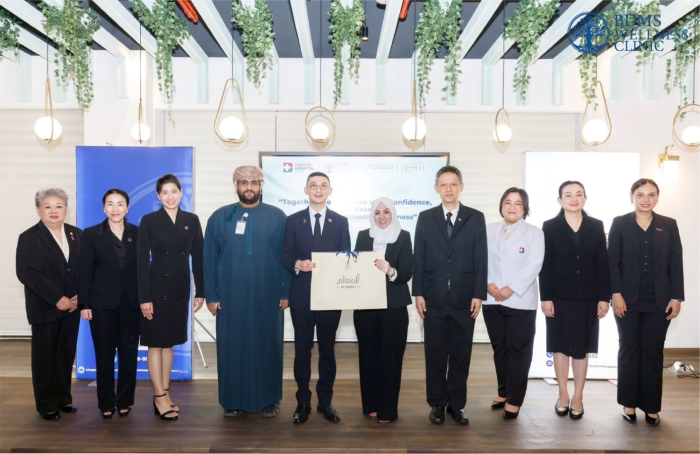
The world of healthcare is evolving, and Thailand is at the forefront of this transformation. A recent strategic partnership between BDMS Wellness Clinic and Oman’s Neem Hospital, along with the MODAWI digital health platform, marks a significant milestone in Thailand’s journey to become a global wellness hub. This collaboration is not just about expanding healthcare services; it represents a shift towards a comprehensive, preventive, and lifestyle-oriented health ecosystem with international reach.
A Deeper Shift in Healthcare
The announcement of this partnership may seem like just another cross-border healthcare collaboration, but it reflects a deeper shift in how Thailand is positioning its medical strengths. The focus is no longer solely on curative services, but on preventive care, lifestyle medicine, and wellness tourism. This shift is timely, given that non-communicable diseases account for over 80% of deaths in Oman, according to the World Health Organization (WHO). Cancer, cardiovascular disease, diabetes, and chronic respiratory illnesses are no longer confined to high-income economies; they are now a dominant health burden across the developing and emerging world.
The Partnership: A Blend of Complementary Strengths
The partnership brings together the best of both worlds. BDMS Wellness Clinic offers preventive healthcare based on lifestyle medicine, while Bangkok Rayong Cancer Hospital provides end-to-end cancer care, from early screening to rehabilitation and post-treatment prevention. On the Omani side, Neem Hospital’s expertise in women’s health and MODAWI’s role as a digital connector between patients, physicians, and healthcare providers create a bridge that extends beyond traditional hospital referrals. This integrated approach reflects the future of healthcare, one that blends prevention, treatment, technology, and continuity of care across borders.
A New Era of Healthcare Diplomacy
The collaboration aligns with broader state-to-state cooperation between Thailand and Oman, building on a 2016 memorandum of understanding in public health. Areas such as wellness tourism, standards for traditional Thai massage, and halal-compliant herbal products demonstrate how healthcare diplomacy can intersect with trade, services, and cultural exchange. Invest Oman’s involvement further underscores the economic dimension of healthcare, positioning wellness and medical services as investable, exportable industries rather than purely domestic social goods.
Implications for Thailand
For Thailand, the implications of this partnership are significant. Medical and wellness tourism has long been a pillar of the services economy, but rising global competition means the country must move up the value chain. Preventive medicine, personalized care, and digital health platforms offer a way to differentiate Thailand from rivals that compete primarily on cost. By integrating wellness, specialized treatment, and rehabilitation into a seamless international model, Thailand can strengthen its brand as a destination not just for healing, but for long-term health optimization.
A Strategic Recalibration of Thailand’s Healthcare Export Model
The BDMS-Oman partnership represents more than institutional cooperation; it signals a strategic recalibration of Thailand’s healthcare export model. This model recognizes prevention as the cornerstone of sustainable health systems and positions the country at the forefront of global wellness trends. As the world becomes increasingly interconnected, Thailand is poised to become a leader in the global wellness industry, offering a unique blend of traditional and modern healthcare services that cater to the evolving needs of health-conscious individuals around the world.
A New Era of Global Wellness
As we look to the future, it’s clear that the concept of wellness is evolving. It’s no longer just about treating illnesses, but about preventing them from occurring in the first place. Thailand’s partnership with Oman is a significant step towards creating a global wellness ecosystem that prioritizes prevention, lifestyle medicine, and personalized care. As we embark on this journey, we can expect to see a shift in the way we approach healthcare, one that emphasizes long-term health optimization and wellness over mere treatment. The future of healthcare is bright, and Thailand is leading the way.